
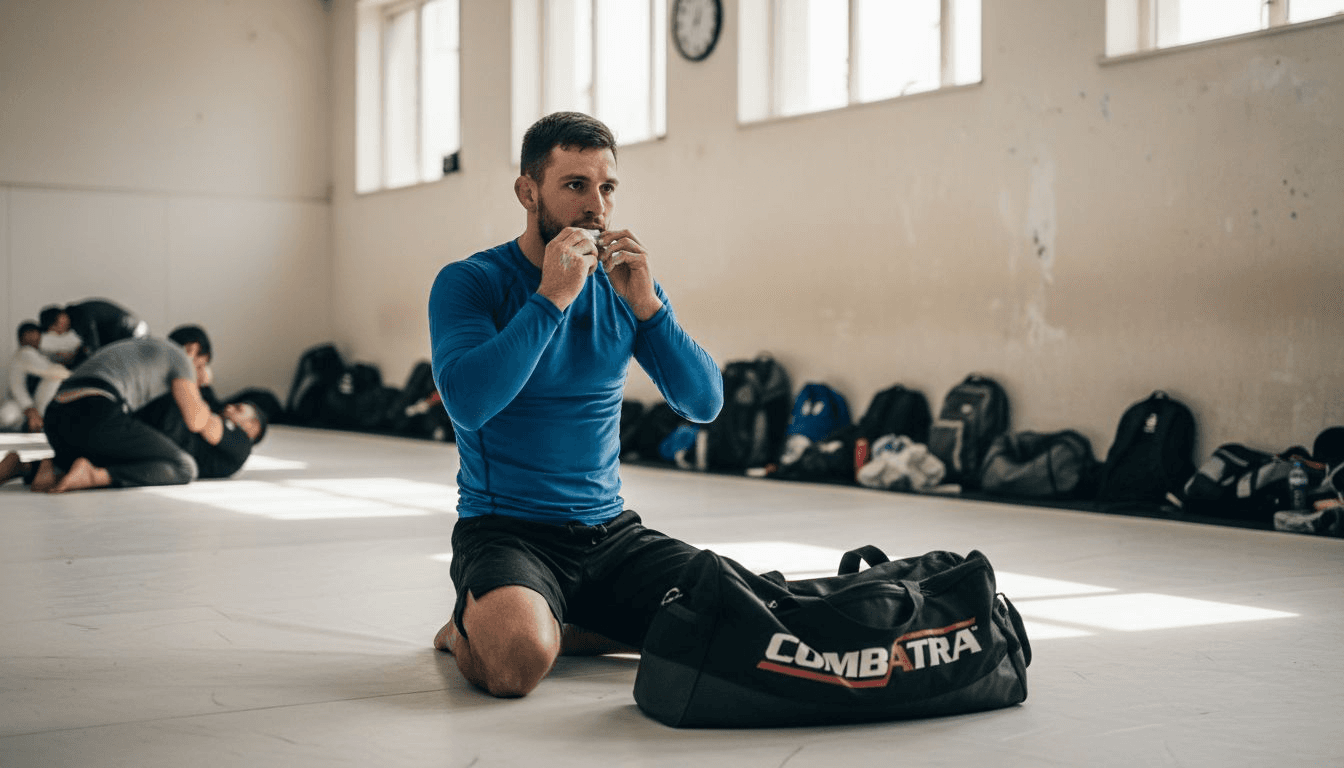
Finding a rashguard that combines precision fit, durability, and compliance with strict International Brazilian Jiu-Jitsu Federation standards is a challenge every competitive Brazilian Jiu-Jitsu athlete understands. The right rashguard does more than shield your skin from friction and infection—it directly impacts your performance, comfort, and confidence on the mat. Whether you’re training in Australia’s high UV conditions or preparing for tournaments worldwide, this guide clarifies what makes personalized rashguards essential for serious athletes.
Table of Contents
- What Are Rashguards in Brazilian Jiu-Jitsu?
- Types and Key Features of BJJ Rashguards
- Performance Enhancement and Injury Prevention
- Hygiene, Comfort, and Skin Protection
- Competition Regulations and Choosing Custom Rashguards
Key Takeaways
| Point | Details |
|---|---|
| Rashguards Provide Essential Protection | They protect against mat burns, abrasions, and skin infections during Brazilian Jiu-Jitsu training and competitions. |
| Moisture Management is Crucial | Rashguards wick away sweat to keep you dry, enhancing comfort and performance during intense sessions. |
| Compression Benefits Muscle Recovery | The snug fit improves blood flow and reduces muscle fatigue, aiding in recovery after intense training. |
| Compliance with Competition Regulations | IBJJF standards must be followed for competition rashguards to ensure fairness and uniformity among athletes. |
What Are Rashguards in Brazilian Jiu-Jitsu?
A rashguard is a fitted, moisture-wicking compression garment worn during Brazilian Jiu-Jitsu training and competition. Think of it as armor for your skin—designed to protect against friction, sweat, and the constant contact that comes with grappling.
Unlike regular athletic shirts, rashguards are engineered specifically for combat sports. They hug your body closely, which reduces the chance of opponents grabbing loose fabric during rolls. The compression fit also keeps everything in place while you move through techniques.
The Core Purpose
Rashguards serve multiple critical functions in BJJ:
- Protect your skin from mat burns, abrasions, and scrapes during intense rolling sessions
- Manage sweat and moisture to keep you dry and prevent bacterial growth
- Provide compression support that can improve blood flow and reduce muscle fatigue
- Create a hygiene barrier between your skin and shared training mats
- Offer sun protection during outdoor training—critical in Australia's high UV environment
A quality rashguard isn't just comfort; it's injury prevention and mat respect rolled into one piece of gear.
Material and Construction
Most rashguards use synthetic fabrics like nylon, polyester, or spandex blends. These materials are chosen because they dry quickly, stretch in multiple directions, and resist the wear and tear of grappling. The role of rashguards in BJJ extends beyond basic protection—premium options are built with reinforced stitching and engineered fabrics designed for competitive durability.
Quality rashguards feature flatlock seams that prevent chafing and irritation during extended training. Some premium options are laboratory tested to AS 4399:2020 standards and rated UPF 50+ for sun defense, making them ideal for Australian athletes training in intense sunlight.
Why BJJ Athletes Specifically Need Them
Brazilian Jiu-Jitsu isn't like regular fitness training. You're constantly moving across mats, pressing your body against opponents, and creating intense friction. Your skin takes a beating. Rashguards are the first line of defense against the wear and tear that comes with serious grappling.
They also communicate respect for your training partners and your academy. Wearing a rashguard shows you're serious about hygiene and safety—two values every BJJ community values.
Pro tip: Choose a rashguard that fits snugly but allows full range of motion—you should be able to rotate your shoulders and hips freely without restriction.
Types and Key Features of BJJ Rashguards
Rashguards come in different styles, each designed for specific training scenarios. Understanding the types helps you choose the right one for your needs and competition requirements.
Short-Sleeve Rashguards
Short-sleeve rashguards are the most common choice for BJJ training and competition. They provide freedom of movement in the shoulders while offering full torso protection. These work well for hot climates and intense rolling sessions where you need maximum mobility.
They're also the standard for IBJJF (International Brazilian Jiu-Jitsu Federation) competitions, so if you compete, you'll likely need one.
Long-Sleeve Rashguards
Long-sleeve options extend protection down your arms, reducing abrasions on your forearms and elbows. Many athletes prefer these for intense training where submissions and arm drags create constant friction. They're also popular during cooler weather or when training outdoors.
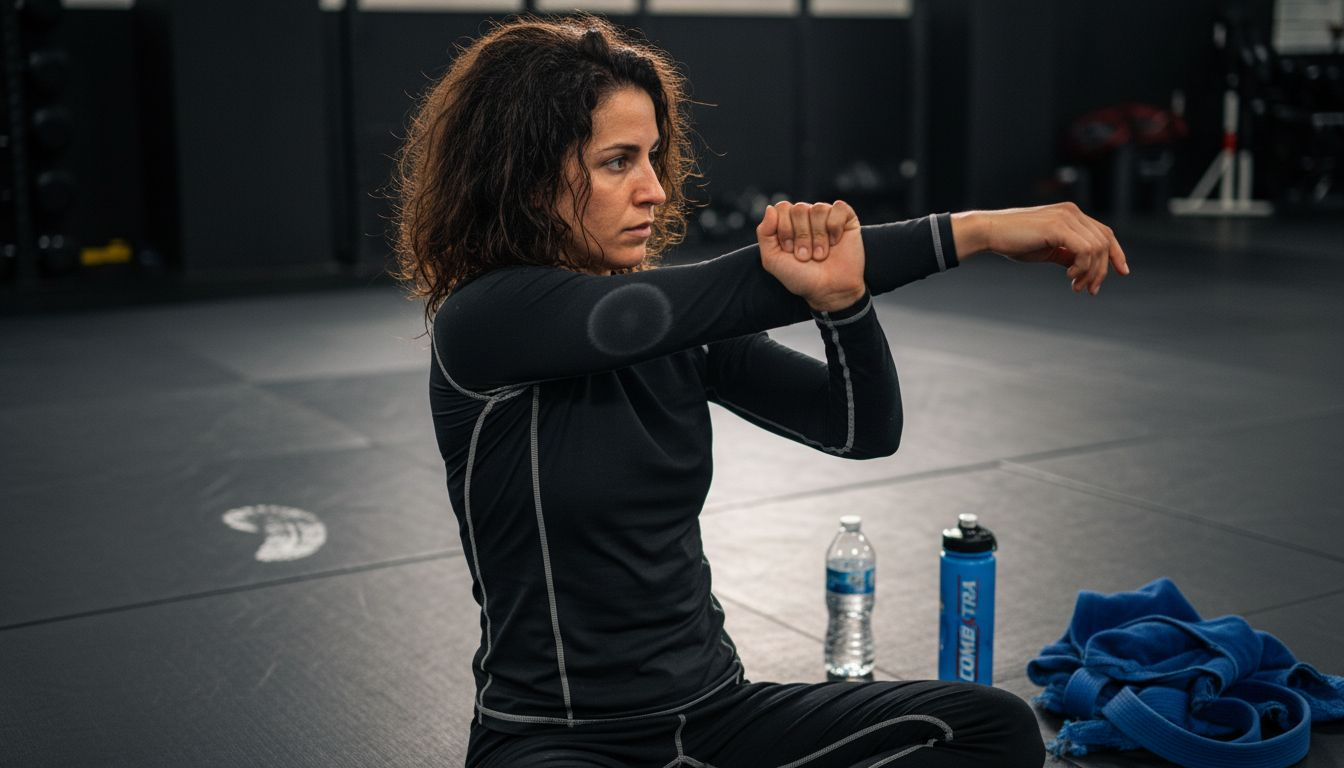
Long sleeves don't compromise mobility—modern designs use stretch fabrics that move with your body.
Here's a side-by-side look at short-sleeve and long-sleeve BJJ rashguards:
| Aspect | Short-Sleeve Rashguard | Long-Sleeve Rashguard |
|---|---|---|
| Arm Coverage | Upper arms only | Full arm protection |
| Climate Suitability | Hot conditions | Cooler environments |
| Mobility | Maximum shoulder freedom | Unrestricted with added coverage |
| Competition Use | IBJJF standard option | Less common for IBJJF events |
| Friction Protection | Good for torso | Enhanced for forearms and elbows |
Key Features to Look For
When selecting a rashguard, these features matter:
- Flatlock seams prevent chafing and irritation during extended training
- Moisture-wicking fabric keeps sweat away from your skin
- Compression fit that's snug but not restrictive
- Reinforced stitching on high-stress areas like shoulders and underarms
- UPF protection for outdoor training in Australian sun
The best rashguard balances comfort, durability, and protection—not just one or two of these.
Fabric Quality Differences
Not all rashguards are created equal. Premium options use engineered synthetic blends designed specifically for combat sports, while basic versions use standard athletic fabric. The essential BJJ performance benefits of high-quality rashguards include better moisture management, longer lifespan, and improved compression support.
Look for brands that test their fabrics for durability and specify material composition. Quality rashguards maintain their shape and function after hundreds of training sessions.
Fit and Sizing
Rashguard sizing is critical. A properly fitted rashguard hugs your body without restricting movement. If it's too loose, you sacrifice the compression benefits and create fabric for opponents to grab. If it's too tight, you limit your range of motion in crucial positions.
Always check sizing charts and consider how the fabric stretches. Most quality rashguards use materials that recover their shape after washing.
Pro tip: Wash your rashguard in cold water and air dry it—heat from dryers damages stretch fabrics and reduces the lifespan of compression materials.
Performance Enhancement and Injury Prevention
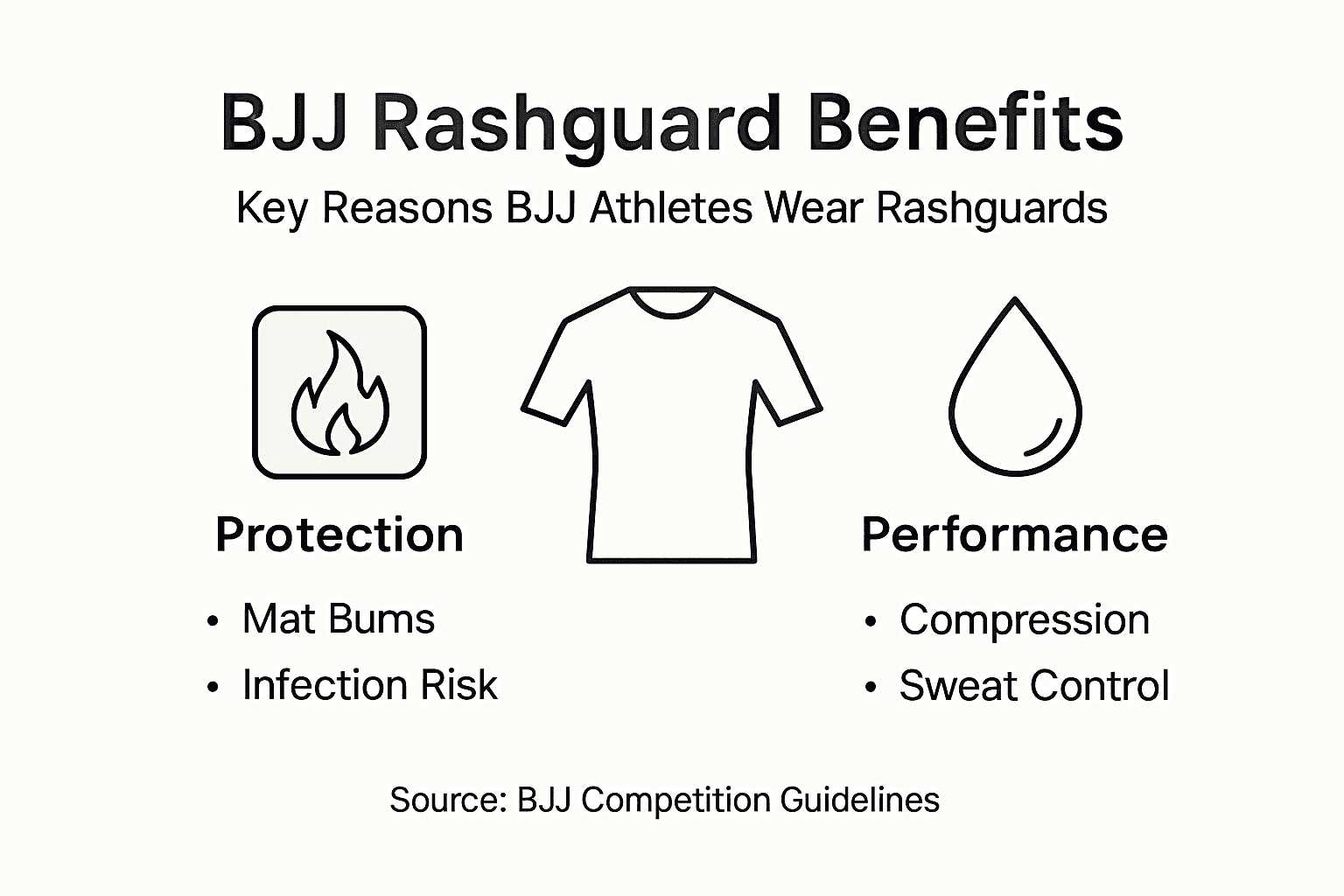
Rashguards do more than protect your skin—they actively enhance your performance during training and competition. The compression support works directly with your body to improve blood flow, reduce fatigue, and keep you moving efficiently through techniques.
Compression Support and Muscle Recovery
The snug fit of a rashguard creates graduated compression across your torso and arms. This compression improves oxygen delivery to your muscles and helps remove metabolic waste during intense rolling. Athletes wearing properly fitted rashguards report less muscle soreness after training sessions.
The compression also stabilizes your core, which translates to better control and positioning during submissions and transitions.
Friction and Abrasion Protection
Mat burns are inevitable in BJJ. Your skin contacts the mat thousands of times during a training session—especially when you're drilling escapes, footlock defense, or Guard passes. Without a rashguard, you're looking at painful road rash and potential skin infections.
A quality rashguard creates a barrier that dramatically reduces friction injuries:
- Prevents mat burns on your chest, shoulders, and back
- Reduces arm and leg abrasions during takedowns and submissions
- Protects against skin infections by limiting direct contact with shared surfaces
- Allows faster recovery between intense sessions
Mat burns don't just hurt—they sideline you from training until they heal. Prevention is always better than recovery.
Temperature Regulation and Sweat Management
During intense rolling, your body generates significant heat. A rashguard's moisture-wicking fabric pulls sweat away from your skin and spreads it across a larger surface area for faster evaporation. This keeps you cooler and more comfortable throughout your session.
The performance benefits of quality rashguards extend to better endurance—when you're not overheating, you maintain higher intensity for longer periods. This directly impacts your conditioning and tournament performance.
Reduced Risk of Skin Infections
Shared training mats expose you to bacteria, fungal spores, and other pathogens. A rashguard acts as your first line of defense, creating a physical barrier between your skin and contaminated surfaces. This single layer of protection significantly reduces your infection risk.
Athletes who skip rashguards experience higher rates of mat-related skin infections. The investment in quality gear pays dividends through better health.
Confidence During Competition
Wearing a rashguard you trust allows you to focus entirely on technique and strategy. You're not worried about road rash or discomfort—you're focused on winning. This mental advantage shouldn't be underestimated in high-pressure competition environments.
Pro tip: Train exclusively in the rashguard you plan to compete in—your body needs to adapt to how it feels and moves so competition day feels familiar and comfortable.
Hygiene, Comfort, and Skin Protection
Rashguards serve as your personal hygiene barrier in an environment where skin-to-skin and skin-to-mat contact is constant. Beyond protection, they contribute significantly to comfort during long training sessions and reduce the risk of transmitting or catching infections.
The Hygiene Factor
Brazilian Jiu-Jitsu mats are breeding grounds for bacteria, fungi, and viruses. You're rolling with multiple training partners throughout the week, each bringing their own skin flora and potential pathogens. A rashguard creates a critical separation between your skin and contaminated surfaces.
Wearing a rashguard shows respect for your academy and your training partners. It signals that you take hygiene seriously and aren't contributing to the spread of mat-related infections.
Common Skin Infections in Grappling
Without proper protection, grapplers face several skin infections:
- Ringworm (tinea corporis) - a fungal infection that spreads through skin contact
- Staph infections - bacterial infections that enter through small cuts and abrasions
- Herpes gladiatorum - a viral infection specific to combat sports
- Impetigo - a highly contagious bacterial skin infection
- Folliculitis - infection of hair follicles from mat contact
A rashguard doesn't guarantee immunity, but it reduces infection risk by creating a physical barrier between your skin and pathogens.
Comfort During Extended Training
Wearing the right rashguard transforms how your training feels. The moisture-wicking properties keep you dry, preventing that uncomfortable cold, clammy feeling after extended rolling. Quality fabrics breathe properly, so you don't overheat even during intense sessions.
The compression fit also reduces muscle vibration during movement, which decreases fatigue and improves overall comfort. Many athletes report they can train longer without feeling exhausted when wearing a proper rashguard.
Skin Irritation Prevention
Your skin is your largest organ, and it takes constant abuse during BJJ training. The role of rashguards in BJJ includes protecting against friction-induced irritation and chafing from submissions and positional grappling.
Flatlock seams are crucial here—traditional seams can cause irritation during hours of rolling. Premium rashguards feature smooth, seamless construction in high-friction areas like underarms and shoulders.
Post-Training Hygiene Protocol
Even with a rashguard, proper post-training care matters. Wash your rashguard after every session in cold water with mild detergent. Never leave it in your gym bag damp—this creates an environment for bacterial growth.
Change out of your rashguard immediately after training. Leaving sweat-soaked gear on your skin invites infections even with the barrier in place.
Pro tip: Own at least two quality rashguards so one is always drying while you wear the other—this extends lifespan and maintains hygiene standards.
Competition Regulations and Choosing Custom Rashguards
If you compete in Brazilian Jiu-Jitsu, your rashguard must meet specific IBJJF (International Brazilian Jiu-Jitsu Federation) standards. Understanding these regulations ensures your gear passes inspection and lets you focus on performing rather than worrying about disqualification.
IBJJF Rashguard Requirements
The IBJJF has strict guidelines for competition rashguards. Your rashguard must be primarily one solid color with minimal contrasting accents. Logos and branding can appear only on the chest and sleeves in limited sizes.
Here are the core requirements:
Below is a quick reference table summarizing IBJJF rashguard regulations for competition:
| IBJJF Rule | Summary | Why It Matters |
|---|---|---|
| Color | Solid main color only | Ensures uniform appearance |
| Logo Placement | Only on chest and sleeves | Prevents distractions or advantages |
| Sleeve Length | Must cover the shoulder | Maintains sportsmanship standards |
| Fit | Tight, no loose fabric | Avoids grabbing hazards |
| Trim Details | Contrasting trim allowed only on seams & cuffs | Prevents excessive design use |
- Single solid color for the majority of the rashguard
- Logo placement restricted to chest (maximum 50 square centimeters) and sleeves
- Contrasting trim allowed only on seams and cuffs
- Sleeve length must cover the shoulder—short sleeves are standard for competition
- No excessively loose fabric that could be grabbed during rolls
Competition regulations exist to ensure fairness and prevent gear from becoming a tactical advantage—they're not optional suggestions.
Custom Rashguards and Compliance
Custom rashguards are legal for competition when they follow IBJJF guidelines. Many athletes use custom options to display academy colors, personalized names, or team branding while staying within regulations.
When designing a custom rashguard, verify every element meets the standards. A guide to customizing rashguards for BJJ athletes helps you understand placement restrictions and design options that won't get flagged at weigh-ins.
Training vs. Competition Rashguards
You can train in flashier designs with multiple colors, logos, and graphics. But if you compete, keep a separate rashguard that strictly follows IBJJF rules. This prevents mistakes at competition weigh-ins where refs inspect gear before matches.
Many competitive athletes actually prefer having a dedicated competition rashguard anyway—it becomes their competition mindset trigger and separates training gear from competition gear.
Personalization Options Within Regulations
Customization doesn't mean sacrificing compliance. You can personalize your rashguard within the rules:
- Custom names embroidered or screen-printed on the chest
- Academy logos properly sized and positioned
- Your competition weight or number on the sleeve
- Subtle color accents on seams and trim areas
- Quality fabrics in your academy's color palette
Durability for Competition
Competition rashguards experience intense wear. You'll be gripped, pinned, and submitted hard—your gear needs to withstand aggressive pressure. Choose custom options made with reinforced stitching and premium fabrics designed for competition use.
A poorly constructed custom rashguard might look great at weigh-ins but tear during your match. Invest in quality construction that matches the durability of your training.
Pro tip: Have your custom rashguard professionally inspected at your academy before attending a major competition to catch any regulation violations early.
Discover the Perfect Rashguard to Protect and Perform
Every serious Brazilian Jiu-Jitsu athlete knows that wearing the right rashguard is essential for skin protection, injury prevention, and enhancing performance during intense training and competition. Combatra understands the challenges of finding a rashguard that fits snugly, offers superior moisture management, and meets competition regulations without sacrificing style or comfort. Whether you want to avoid painful mat burns, reduce muscle fatigue, or uphold top hygiene standards in the gym, our personalised and premium gear helps you train confidently and safely.
Explore our exclusive collection of 2026 Limited Edition Rash Guards for Men, Women & Kids featuring compression fits, flatlock seams, and UPF sun protection built specifically for grapplers.

Take the next step to elevate your training with rashguards designed for durability and freedom of movement. Personalize yours with your name, team logo, or patriotic colors to create a unique look that inspires confidence on and off the mats. Visit Combatra now and experience the benefits of top-tier rashguards that combine function and style. Don’t compromise your health and performance—gear up today with our Limited Edition Premium Rashguards for Men, Women & Kids. Your body and training partners will thank you.
Frequently Asked Questions
What is the purpose of wearing a rashguard in Brazilian Jiu-Jitsu?
Rashguards serve multiple purposes, including protecting the skin from mat burns and abrasions, managing sweat to prevent bacterial growth, and providing compression support that can improve blood flow and reduce muscle fatigue.
How do rashguards improve performance during BJJ training?
The compression fit of rashguards enhances blood flow and muscle support, helping athletes maintain higher intensity during training while reducing fatigue and soreness after sessions.
Are there different types of rashguards for BJJ, and what are their key features?
Yes, rashguards come in short-sleeve and long-sleeve styles. Short-sleeve rashguards offer maximum shoulder mobility and are commonly used in competitions, while long-sleeve versions provide additional protection against abrasions and are favored in cooler weather.
How do I choose the right size rashguard for BJJ?
A properly fitted rashguard should hug the body without being too restrictive. It's important to check sizing charts and consider how the fabric stretches. If the rashguard is too loose, it could be grabbed by opponents; if too tight, it may restrict movement.