
TL;DR:
Sunscreen often fails for athletes due to sweat and reapplication challenges.
UV clothing offers reliable, long-lasting protection by physically blocking UV rays.
Combining UV clothing with sunscreen on exposed skin provides optimal sun safety.
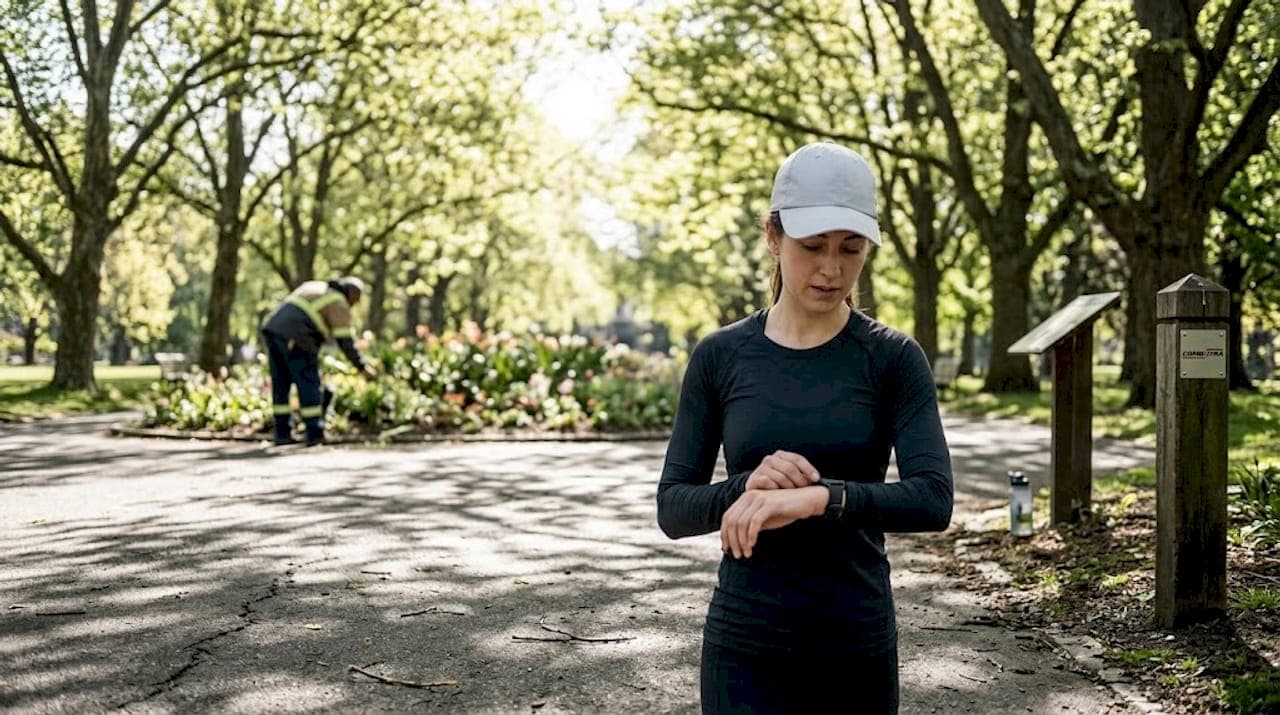
Most athletes train hard and still end up sunburnt. That might sound surprising, but 66.5% of trail runners reported sunburn despite intending to use sunscreen, and fewer than one in four NCAA athletes use sunscreen regularly. So the question is worth asking: if sunscreen is the standard advice, why are so many athletes still getting burnt? The answer is pushing a growing number of outdoor and combat sports athletes toward UV clothing as a smarter, more reliable layer of protection. This guide breaks down exactly why that shift is happening and what it means for how you train.
Table of Contents
Key Takeaways
| Point | Details |
|---|---|
| Sunscreen isn’t enough | Most athletes get sunburnt because sunscreen is often missed, sweats off, or isn’t reapplied properly. |
| UV clothing offers lasting protection | Certified UPF gear shields the skin from UV rays through sweat, wash, and stretch. |
| Best results with combination | Maximum sun protection is achieved when UV clothing is paired with sunscreen in exposed areas. |
| All athletes can benefit | Those with extended sun exposure, like runners, martial artists, or golfers, gain the most from UV gear. |
Why traditional sun protection falls short for athletes
Sunscreen is widely recommended, but it comes with a practical problem for athletes: it rarely stays on long enough to matter. Sweat, water, friction from gear, and the simple act of wiping your face all reduce its effectiveness well before the session ends. Reapplying every two hours is the standard advice, but that is rarely realistic mid-training.
The numbers back this up. Less than 25% of NCAA athletes regularly use sunscreen, and 35% of high-volume cyclists use no sunscreen at all. These are dedicated, performance-focused athletes, not people who are careless about their health. They simply find sunscreen inconvenient, uncomfortable, or impractical during intense activity.
The consequences are serious. Repeated UV exposure without adequate protection raises the risk of skin cancer, premature ageing, and cumulative skin damage. Outdoor athletes often train during peak UV hours, on reflective surfaces like water or sand, and for sessions lasting two hours or more. That is a high-exposure scenario by any measure.
“The skin is the largest organ in the body, and for athletes who train outdoors daily, cumulative UV damage adds up faster than most people realise.”
Here is why sunscreen alone tends to fall short for active people:
-
Sweat and water wash it off within 40 to 80 minutes, even with water-resistant formulas
-
Application is often incomplete, with athletes missing areas like the back of the neck, ears, and forearms
-
Reapplication is skipped during long sessions, leaving skin unprotected for the bulk of the training time
-
Compliance is low across multiple sports, meaning most athletes are not following the recommended protocol at all
This is why UPF clothing versus sunscreen is a conversation worth having. And if you are already preventing sunburn during training, UV clothing is one of the most effective tools available.
How UV clothing protects: science and standards
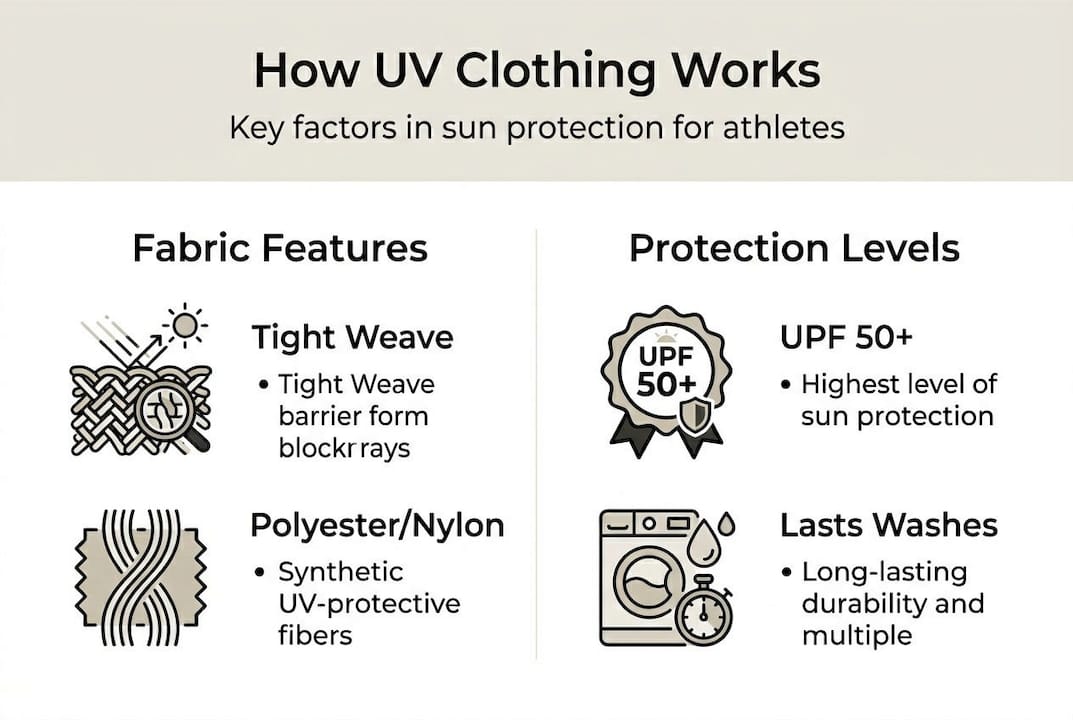
UV clothing works by physically blocking ultraviolet radiation before it reaches your skin. The protection level is measured using a rating called UPF, which stands for Ultraviolet Protection Factor. A UPF 50+ garment, for example, blocks more than 98% of UV radiation. That is a significant and consistent level of protection that does not depend on correct application or reapplication.
The rating is not just a marketing claim. It is determined through standardised laboratory testing. Testing standards such as AATCC TM183 and EN 13758 are used to measure how much UV radiation passes through a fabric. Importantly, these tests also assess whether the protection holds up after repeated washing, stretching, and exposure to sweat. Most quality polyester athletic tops achieve a UPF rating of 40 to 50+.
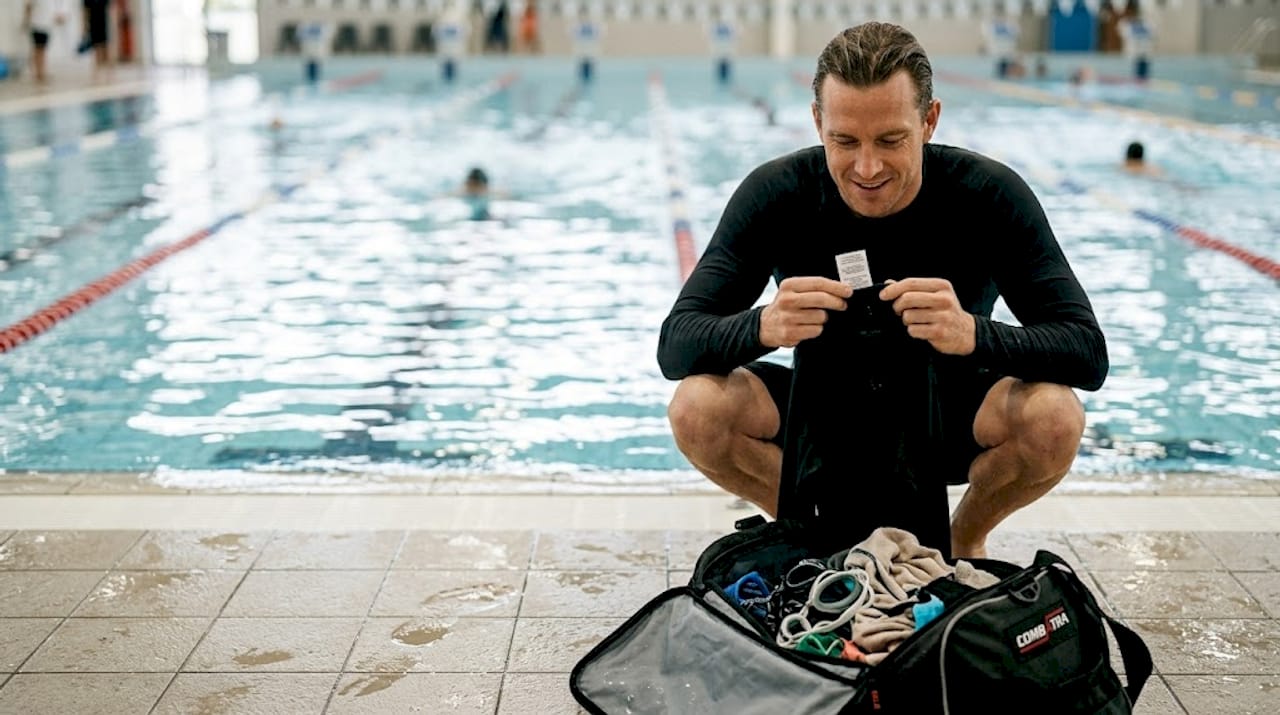
For athletes, that durability is critical. A rashguard that loses its UV protection after ten washes is not a reliable solution. Certified UPF clothing is designed to maintain its rating across the lifespan of the garment when cared for correctly.
Here is a quick look at what different UPF ratings mean in practice:
| UPF rating | UV radiation blocked | Protection category |
|---|---|---|
| 15 to 24 | 93.3% to 95.9% | Good |
| 25 to 39 | 96.0% to 97.4% | Very good |
| 40 to 50+ | 97.5% to 99%+ | Excellent |
Fabric construction plays a major role. Tightly woven or knitted synthetics like polyester and nylon naturally block more UV than loosely woven cottons. Colour, weight, and stretch also affect the rating. You can learn more about how UV clothing works and what to look for when choosing gear.
Pro Tip: When shopping for UV sportswear, look specifically for a certified UPF 50+ label. Some garments claim UV protection without independent testing. The certification is what matters, not the marketing language.
For a broader look at options on the market, Men’s Health reviews UPF clothing with useful comparisons across different sports. And for a detailed breakdown of what the rating means for you, the UPF 50 explained guide is a solid starting point.
Benefits and trade-offs of choosing UV clothing
The case for UV clothing is strong, but it is worth being honest about both the advantages and the limitations. Athletes who understand the full picture make better decisions about their gear.
The main advantages:
-
Consistent protection that does not wash off, rub off, or require reapplication during training
-
Full coverage of the areas it covers, with no gaps from missed application
-
Long-lasting performance when certified to testing standards, across hundreds of wears and washes
-
Comfort during movement, especially with modern compression fabrics designed for sport
-
Reduced need for sunscreen on covered skin, simplifying your pre-training routine
The trade-offs to consider:
-
Higher upfront cost compared to a basic sunscreen, though the long-term value is strong
-
Heat retention is a concern with some fabrics, though modern technical materials manage this well
-
Limited to covered areas, meaning exposed skin like the face, neck, and hands still needs sunscreen
As expert UPF research notes, the best outcomes come from combining UV clothing with sunscreen on exposed skin rather than relying on one approach alone. UV clothing handles the bulk of the body, and sunscreen fills the gaps.
| Protection method | Stays on during sweat | Covers large areas | Requires reapplication |
|---|---|---|---|
| Sunscreen alone | No | Yes | Yes |
| UV clothing alone | Yes | Partial | No |
| Combined approach | Yes | Yes | Minimal |
Pro Tip: If heat is a concern during outdoor training, look for UV fabric technology that combines UPF 50+ protection with moisture-wicking and ventilation. These fabrics keep you cooler than standard cotton while offering superior UV coverage.
It is also worth thinking about fit. Research into compression vs loose fit for sun protection shows that compression garments tend to maintain their UPF rating better during movement because the fabric stays close to the skin without gaps.
Real-world athlete scenarios: who benefits most?
Not every athlete faces the same UV risk. But for certain groups, UV clothing is not just helpful, it is close to essential.
Here are the athletes who benefit most from making UV clothing a training staple:
-
Endurance athletes such as trail runners, triathletes, and open-water swimmers who train for two or more hours in direct sun
-
Golfers, who face 2.4 times the skin cancer risk of the general population, with most standard golf apparel providing poor coverage for arms, neck, and hands
-
Martial artists training outdoors, including BJJ practitioners, MMA fighters, and karate athletes who train in open-air dojos or outdoor sessions
-
Outdoor workers who combine physical activity with extended sun exposure across an entire working day
-
Cyclists and paddlers who spend hours on reflective surfaces that amplify UV exposure from below as well as above
“For golfers and endurance athletes especially, the cumulative UV dose across a season is substantial. Standard clothing labels often overstate protection, making certified UPF gear the only reliable option.”
For martial artists specifically, sun protection for martial artists is an area that deserves more attention than it typically gets. Outdoor training sessions, beach competitions, and summer camps all create high-exposure scenarios.
For those looking to protect specific areas without a full garment change, choosing UV sleeves is a practical option. Arm sleeves rated UPF 50+ can be added to almost any training outfit and cover one of the most commonly burnt areas for athletes.
The truth most athletes miss about UV protection
Here is something we see often: athletes invest in UV clothing and then assume they are fully covered. They skip sunscreen on the face, forget about the back of the hands, and head into a four-hour session feeling protected. That is a gap that can cause real harm.
UV clothing is one of the most effective tools available, but it only protects the skin it covers. The face, neck, ears, and hands are still fully exposed. And not all UV clothing is created equal. Garments without certified UPF ratings may offer little more protection than a standard t-shirt.
The athletes who get this right treat UV protection as a system, not a single product. They choose certified UPF 50+ rashguards for the body, apply sunscreen to exposed areas, and make deliberate choices about training times and environments. That layered approach is what actually works. Relying on any one element, whether sunscreen or clothing, creates a false sense of security that leaves real vulnerabilities.
Step up your sun protection with athlete-focused UV gear
If this guide has made one thing clear, it is that effective UV protection for athletes requires gear that is built for the demands of real training. Sunscreen alone is not enough, and not all UV clothing delivers on its promises.

At Combatra, every piece of UV sportswear is designed with certified UPF 50+ protection and the performance needs of combat sports and outdoor athletes in mind. Whether you train in the sun daily or compete in outdoor events, you will find gear that holds up. Explore our range of shop rashguards built for maximum coverage and athletic movement, or check out our customisable compression rash guards to personalise your protection with your name, academy logo, or team colours.
Frequently asked questions
What does UPF mean on sportswear labels?
UPF stands for Ultraviolet Protection Factor and indicates how much UV radiation a fabric blocks. Ratings are determined through standardised testing methods such as AATCC TM183 and EN 13758, which are used specifically for athletic clothing.
Can I rely on UV clothing alone for sun safety during outdoor sport?
UV clothing protects only the skin it covers, so it works best when combined with sunscreen on exposed areas like the face, neck, and hands to ensure full coverage.
How long does UV clothing keep its protective qualities?
Certified UPF clothing is designed to maintain its UV protection after multiple washes, sweat exposure, and stretching. UPF holds after washes and stretch when the garment meets recognised testing standards.
Which athletes benefit most from UV clothing?
Outdoor workers, endurance athletes, martial artists, and golfers see the greatest benefits due to their high sun exposure. High UPF clothing is recommended for anyone with extended or repeated outdoor activity.