
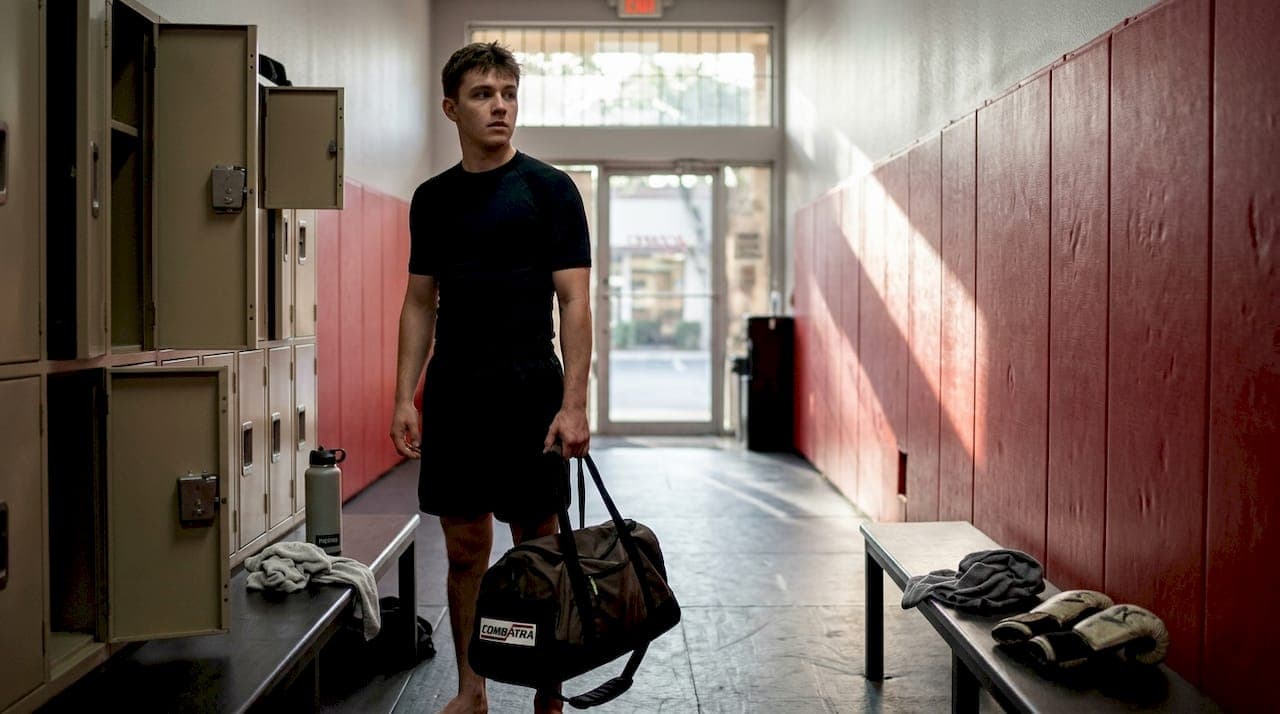
Walking into your first no-gi Brazilian Jiu-Jitsu class can feel intimidating, especially when you're unsure what to wear. Unlike traditional gi training, no-gi BJJ requires specific athletic clothing that balances comfort, safety, and gym etiquette. Choosing the wrong attire can lead to discomfort, potential injuries, or even embarrassment on the mat. This guide walks you through everything you need to know about appropriate no-gi clothing, from essential gear items to common mistakes beginners make, ensuring you show up prepared and confident for your first session.
Table of Contents
- Key takeaways
- Understanding no-gi BJJ attire essentials
- What to wear on your first no-gi BJJ class: practical clothing checklist
- Common mistakes to avoid when choosing no-gi attire
- Maintaining and preparing your no-gi BJJ attire
- Get the right no-gi BJJ gear for your training
- FAQ
Key Takeaways
| Point | Details |
|---|---|
| No gi attire basics | No gi BJJ requires athletic clothing that promotes grip and mobility without the traditional gi components. |
| Rashguard essential | Rashguards provide skin protection, reduce friction, wick moisture, and limit grip points during grappling. |
| MMA shorts essential | Fight shorts designed for grappling offer mobility without pockets or metal hardware that could injure training partners. |
| Undergarment guidance | Men should wear compression shorts or athletic supporters and women should wear supportive sports bras to stay comfortable and covered. |
| Fabric choice matters | Cotton should be avoided because it absorbs sweat and becomes heavy, while polyester spandex and nylon blends dry quickly and resist odors. |
Understanding no-gi BJJ attire essentials
No-gi Brazilian Jiu-Jitsu differs significantly from traditional gi training in terms of clothing requirements. While gi practitioners wear heavy cotton uniforms with belts and pants, no-gi grappling requires athletic apparel that promotes grip and mobility without traditional gi components. This fundamental difference shapes every clothing choice you'll make for your first class.
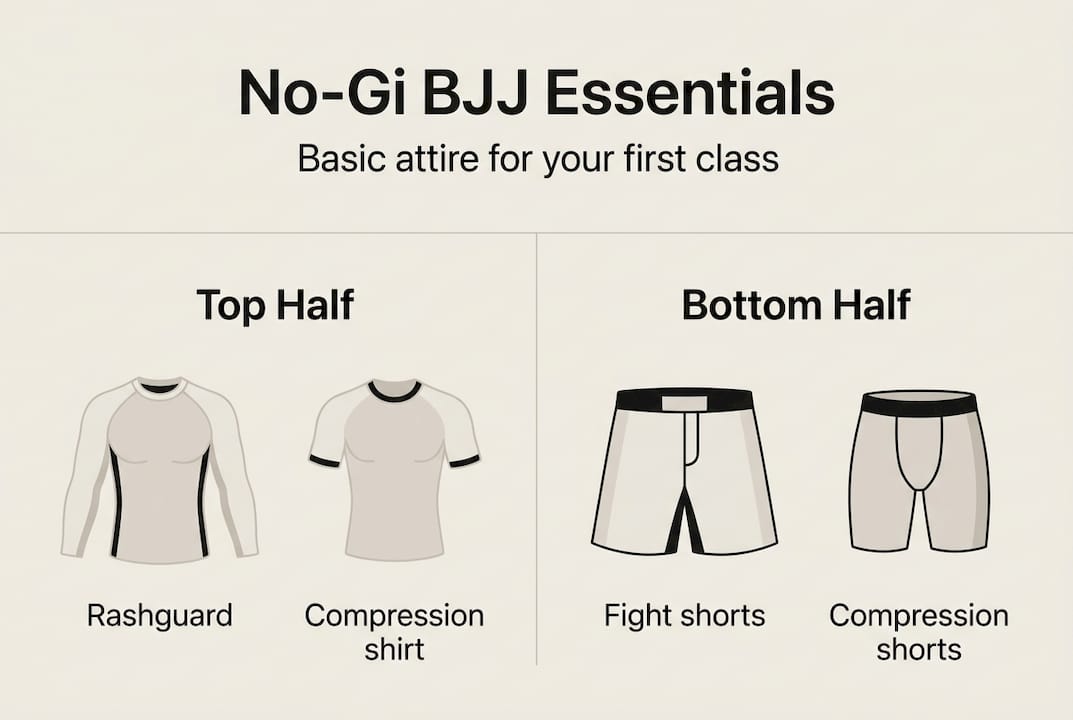
Rashguards serve as the cornerstone of no-gi attire. These tight-fitting compression shirts offer multiple benefits that make them essential for training. They provide a protective barrier between your skin and the mat, reducing friction burns and preventing direct skin contact with training partners. The moisture-wicking properties keep you dry during intense rolling sessions, while the compression fit supports muscle recovery and reduces fatigue. Most importantly, rashguards minimize grip points that opponents could exploit during grappling exchanges.
MMA or fight shorts complete your basic no-gi uniform. These specialized shorts feature flexible, durable construction designed specifically for grappling movements. Quality fight shorts include reinforced stitching at stress points, stretchy panels for unrestricted movement, and most critically, no pockets, zippers, or metal hardware that could scratch or injure training partners. The length typically falls just above the knee, providing coverage without restricting leg movement during techniques.
Undergarments deserve careful consideration for both comfort and safety. Men should wear compression shorts or athletic supporters beneath their fight shorts to prevent exposure during dynamic movements. Women need supportive sports bras designed for high-impact activity, as standard bras may not provide adequate support during intense grappling. These foundation layers stay hidden but play a crucial role in maintaining comfort throughout your training session.
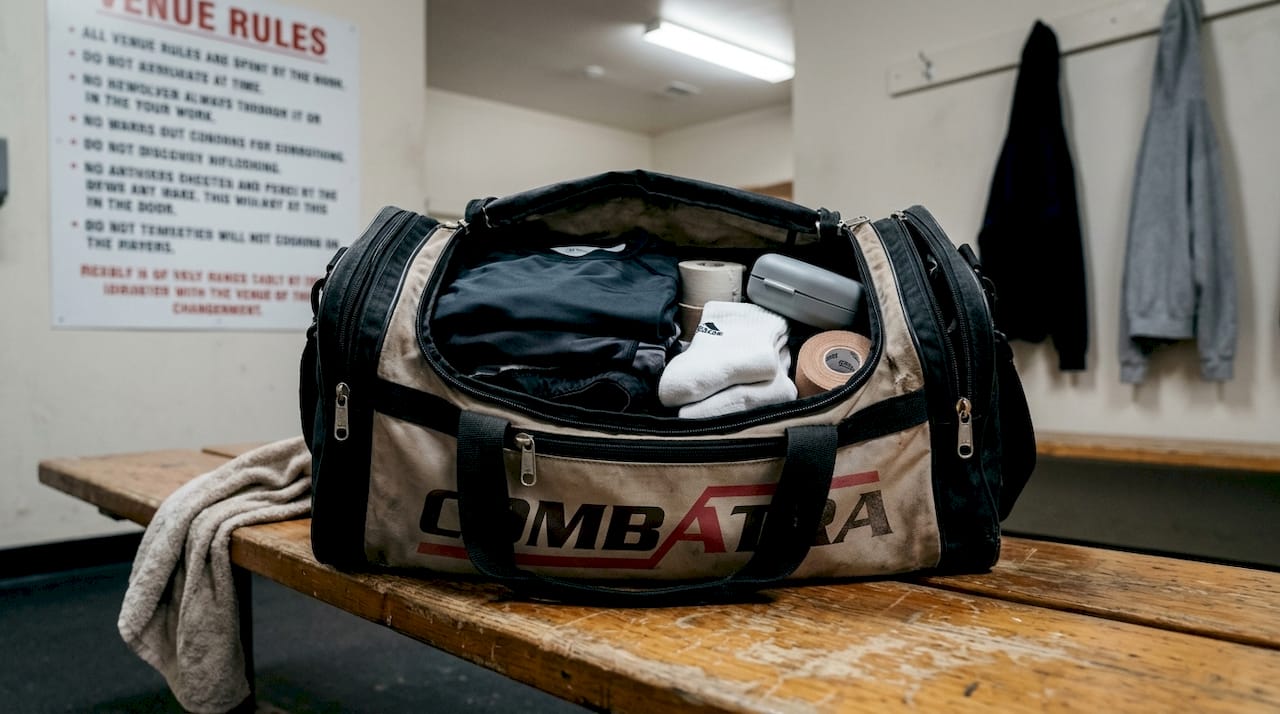
Synthetic materials dominate no-gi attire for good reason. Cotton absorbs sweat and becomes heavy, restricting movement and creating an uncomfortable training experience. Polyester, spandex, and nylon blends dry quickly, maintain their shape, and resist bacterial growth that causes odors. The tight fit of synthetic gear also prevents opponents from grabbing loose fabric, keeping the focus on technique rather than clothing manipulation.
Pro Tip: Invest in at least two complete sets of no-gi attire so you always have clean gear ready. Washing your rashguard and shorts immediately after each training session prevents bacterial buildup and extends the life of your equipment.
What to wear on your first no-gi BJJ class: practical clothing checklist
Preparing for your first no-gi session becomes simple when you follow a structured checklist. Beginners should prepare with fitted rashguards and durable MMA shorts for optimal comfort and compliance with gym standards. This practical approach ensures you arrive ready to train without second-guessing your clothing choices.
-
Select a properly fitted rashguard that hugs your body without cutting off circulation. The sleeves should extend to your wrists, and the torso should cover your waistband when you raise your arms overhead. Long-sleeve rashguards offer more skin protection, while short-sleeve versions provide better cooling in hot gyms.
-
Choose MMA shorts with a 9-11 inch inseam that allows full range of motion. Test the shorts by performing deep squats and high kicks to ensure they don't restrict movement or ride up uncomfortably. Verify there are no exposed Velcro, metal snaps, or rough seams that could scratch training partners.
-
Pack compression shorts or athletic underwear as your base layer. This prevents embarrassing wardrobe malfunctions during inverted positions or guard work. Women should wear a high-impact sports bra that stays secure during rapid direction changes and ground work.
-
Bring a clean towel and water bottle to maintain hygiene and hydration. Many gyms provide these, but having your own ensures you're prepared. Consider packing flip-flops or sandals to wear off the mat, as walking barefoot through locker rooms increases infection risk.
-
Leave all jewelry, watches, and accessories at home or secured in your bag. Even small earrings or rings can cause serious injuries to yourself or training partners during grappling exchanges. Remove any items before stepping onto the mat.
-
Trim your fingernails and toenails short the day before class. Long nails act like tiny blades during scrambles, causing painful scratches and potential infections. This simple grooming step shows respect for your training partners and prevents unnecessary injuries.
Pro Tip: Write your name on your gear with a permanent marker or order customized items. Training facilities often have lost and found bins overflowing with identical black rashguards and shorts, making personalized gear much easier to identify.
Common mistakes to avoid when choosing no-gi attire
Beginners frequently make avoidable errors when selecting their first no-gi outfit. Understanding these pitfalls helps you bypass the learning curve and start training with appropriate gear from day one. Wearing cotton or loose clothing can hinder performance and increase injury risk in no-gi BJJ, yet many newcomers show up in exactly these materials.
Street clothes and cotton T-shirts represent the most common mistake. Regular gym shirts absorb sweat, become heavy, and stretch out during grappling, creating dangerous grip points. The rough texture of cotton also causes more friction burns compared to smooth synthetic fabrics. Basketball shorts with pockets pose similar problems, as fingers can get caught in pockets during scrambles, leading to dislocations or breaks.
Baggy or loose clothing creates multiple hazards on the mat. Oversized shirts bunch up during rolls, obscuring your vision and providing easy grips for opponents. Loose shorts can shift during movement, causing embarrassing exposure or restricting your legs mid-technique. The extra fabric also increases the risk of fingers or toes getting tangled, which can result in serious injuries during fast-paced exchanges.
Jewelry and accessories have no place in no-gi training. Wedding rings can degloving injuries where the skin peels off your finger. Necklaces can choke you during certain positions. Even small stud earrings can tear through earlobes when caught on an arm or gi collar. Medical alert bracelets should be replaced with rubber or silicone versions designed for athletic activity.
Dirty or unwashed clothing violates basic gym hygiene and puts everyone at risk. Bacteria and fungi thrive in damp, warm environments like used training gear. Wearing the same rashguard multiple times without washing creates a breeding ground for staph infections, ringworm, and other contagious skin conditions. This disrespect for communal training space can get you banned from gyms.
Improper clothing choices directly impact your susceptibility to skin infections. Exposed skin rubbing against mats harboring bacteria from dozens of daily users significantly increases infection risk. Quality rashguards and proper coverage minimize this contact, while cotton clothing that stays damp promotes bacterial growth on your skin throughout the session.
Maintaining and preparing your no-gi BJJ attire
Proper care of your no-gi gear extends its lifespan while protecting your health and investment. Proper washing and maintenance of no-gi apparel extends the life of equipment and prevents skin infections that can sideline your training for weeks.
-
Wash your rashguard and shorts immediately after every training session. Bacteria multiply rapidly in damp athletic wear, so never leave sweaty gear in your bag overnight. If you can't wash immediately, hang items to air dry before placing them in a hamper.
-
Use cold or warm water with mild detergent designed for athletic wear. Hot water can break down elastic fibers in compression gear, reducing the tight fit that makes rashguards effective. Avoid fabric softeners, as they coat synthetic fibers and reduce moisture-wicking properties.
-
Add white vinegar or specialized sports detergent to eliminate odor-causing bacteria. Regular detergent removes visible dirt but may not kill all microorganisms embedded in synthetic fabrics. A quarter cup of vinegar per load naturally disinfects without damaging materials.
-
Air dry your gear whenever possible instead of using a machine dryer. High heat degrades spandex and elastic components, causing rashguards to lose compression and shorts to lose shape. Hang items in a well-ventilated area away from direct sunlight, which can fade colors over time.
-
Inspect your gear regularly for signs of wear like loose stitching, holes, or loss of elasticity. Replace items showing significant damage, as compromised gear won't provide adequate protection or coverage during training. Small tears can expand rapidly during intense rolling sessions.
| Material Type | Washing Temperature | Drying Method | Special Care Notes |
|---|---|---|---|
| Polyester blend | Cold to warm | Air dry preferred | Avoid bleach and fabric softener |
| Spandex/Lycra | Cold only | Air dry only | Never use high heat |
| Nylon blend | Warm | Low heat or air dry | Turn inside out before washing |
| Compression gear | Cold | Air dry only | Wash after every use |
Store your clean, dry gear in a breathable bag or open space rather than sealed plastic containers. Proper air circulation prevents musty odors and mildew growth between training sessions. Keep a separate bag for dirty gear to avoid contaminating clean clothes in your gym bag.
Pre-training hygiene matters as much as post-training care. Shower before class to remove oils, dirt, and bacteria from your skin. Apply antifungal powder to feet if you're prone to athlete's foot. These preventive measures protect both you and your training partners from infection transmission.
Get the right no-gi BJJ gear for your training
Starting your no-gi Brazilian Jiu-Jitsu journey requires quality gear that supports your progress and keeps you comfortable during intense training sessions. Finding reliable equipment designed specifically for grappling makes a significant difference in your early training experience.
Combatra offers customizable MMA fight shorts built to withstand the demands of no-gi BJJ. These shorts feature reinforced stitching, flexible side panels, and secure waistbands that stay in place during dynamic movements. The customization options let you add personal touches while maintaining the professional quality needed for serious training.

For rashguards that combine protection with personal style, explore Combatra's custom rashguard compression tops. These fitted tops provide the moisture-wicking performance and skin protection essential for no-gi grappling while allowing you to design gear that reflects your personality. The compression fit supports muscle recovery and reduces fatigue during long training sessions.
Women training in no-gi BJJ need supportive foundation layers that stay secure during intense activity. Combatra's handcrafted sports bras offer the high-impact support required for grappling while featuring unique designs that stand out in the gym. Proper support underneath your rashguard ensures comfort and confidence throughout your training.
Equipping yourself with quality no-gi gear from the start sets you up for success in Brazilian Jiu-Jitsu. Invest in durable, well-designed attire that protects your body, respects your training partners, and helps you focus on learning techniques rather than adjusting uncomfortable clothing.
FAQ
What should I avoid wearing to my first no-gi BJJ class?
Avoid cotton clothing, street clothes, jewelry, and shoes on the mat to prevent injury and maintain hygiene standards. Baggy or loose clothing can hinder movement and provide dangerous grip points during training. Metal zippers, buttons, or rough seams can scratch training partners and damage mats. Remove all rings, necklaces, earrings, and watches before stepping onto the training area.
Do I need special shoes for no-gi Brazilian Jiu-Jitsu?
No shoes are worn on the mat to ensure safety and cleanliness during training sessions. You train barefoot or with specialized grappling socks if your gym allows them. Shoes can damage mats, transfer dirt and bacteria, and pose injury risks when feet get tangled during ground work. Bring flip-flops or sandals to wear in locker rooms and off-mat areas.
How do I choose the right rashguard for my first no-gi class?
Choose a rashguard that fits snugly but comfortably without restricting movement or cutting off circulation. Look for moisture-wicking fabric that protects against mat burns and prevents skin infections through minimal direct contact. Consider beginner-friendly compression tops designed specifically for grappling with reinforced stitching and flatlock seams. Long-sleeve options provide more skin protection, while short-sleeve versions offer better cooling in warm training environments.
Can I wear regular athletic shorts to no-gi BJJ training?
Regular athletic shorts typically lack the specific features needed for safe grappling. Basketball or running shorts often have pockets where fingers can get caught, causing injuries during scrambles. They may also have exposed elastic, drawstrings, or metal grommets that can scratch training partners. MMA fight shorts designed for grappling provide the flexibility, durability, and safety features required for no-gi BJJ training.
How often should I replace my no-gi training gear?
Replace rashguards and shorts when they show significant signs of wear like holes, loose stitching, or loss of elasticity. Quality gear typically lasts six months to two years depending on training frequency and care practices. Faded colors don't affect performance, but compromised compression or structural integrity means the gear no longer provides adequate protection. Inspect your equipment regularly and replace items that no longer fit properly or show damage.