
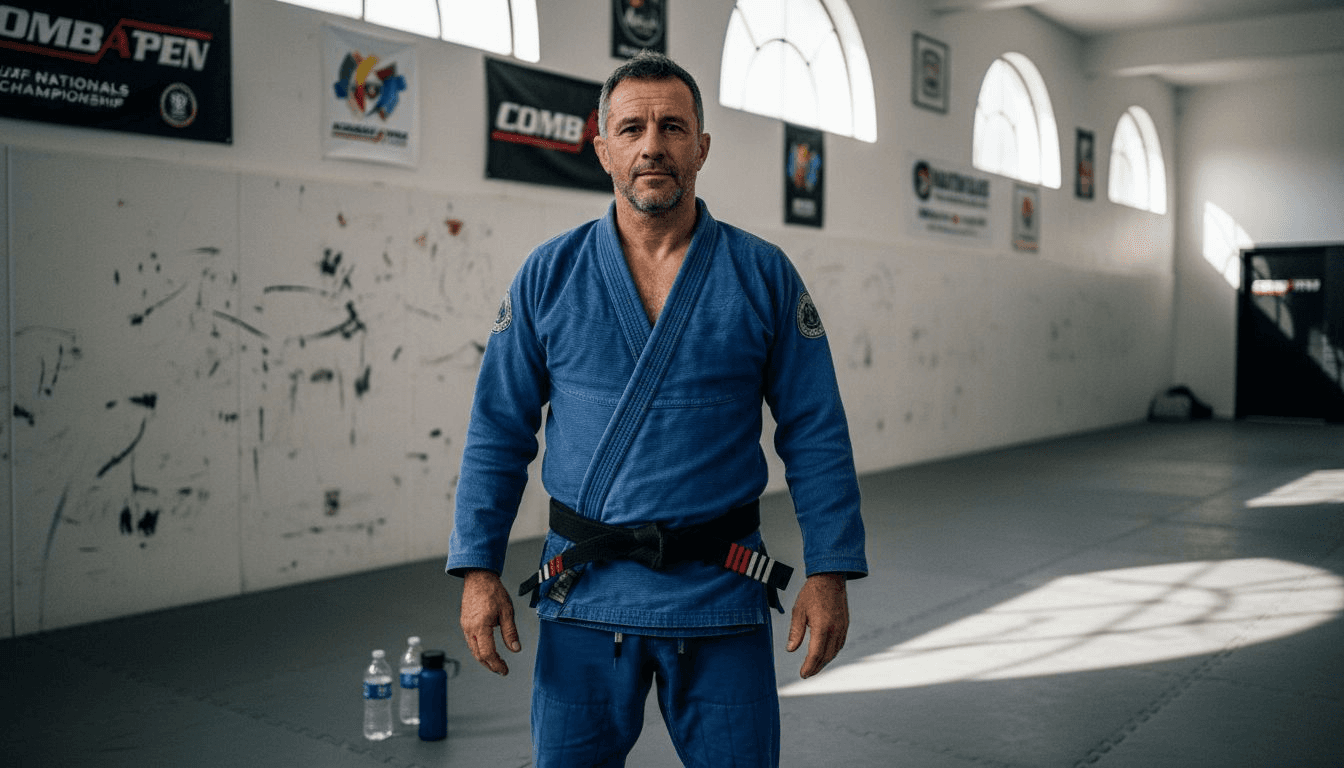
Choosing the right gi is a milestone for every Brazilian Jiu-Jitsu practitioner, shaping not just your training performance but your personal journey on the mats. The gi is carefully constructed for the specific demands of BJJ, blending functional durability with cultural connection to Japanese martial arts roots. Whether training hard in your home academy or stepping into international competitions, a premium personalized gi allows you to express your individuality and meet official standards for comfort, style, and regulation compliance.
Table of Contents
- Defining The Gi In Brazilian Jiu-Jitsu
- Essential Components And Materials Explained
- Major Gi Types And Customization Options
- Legal And Competition Standards For Bjj Gis
- Choosing The Right Gi: Fit, Care, And Mistakes
Key Takeaways
| Point | Details |
|---|---|
| Importance of the Gi | The gi is essential in Brazilian Jiu-Jitsu, serving not just as uniform but as a tool for learning and technique development. |
| Material Significance | The heavy cotton fabric allows for unique gripping strategies, differentiating gi training from no-gi grappling. |
| IBJJF Regulations | Competitors must adhere to strict IBJJF standards regarding gi color, size, and material to ensure fair competition. |
| Choosing the Right Gi | Beginners should select a standard white gi to learn properly before considering customized or specialized options. |
Defining the Gi in Brazilian Jiu-Jitsu
A gi is the traditional uniform worn during Brazilian Jiu-Jitsu training and competition. It consists of three core components that work together to facilitate the unique demands of BJJ.
The uniform includes a heavy cotton jacket (called the judogi or kimono in Brazilian), reinforced drawstring pants, and a belt that indicates your rank and progression. This isn't just casual workout gear—it's specifically designed to handle the intense gripping, pulling, and grappling that defines BJJ.
The Three Core Components
Understanding each piece helps you appreciate why the gi matters:
-
Jacket (Judogi): A thick cotton top that extends to your wrists, designed for grip and control. The fabric is reinforced at stress points like the sleeves and shoulders.
-
Pants (Zubon): Heavy cotton trousers with a reinforced drawstring waistband. They're built to withstand constant pulling and leg lock pressure without tearing.
-
Belt (Obi): Indicates your rank, starting with white and progressing through blue, purple, brown, and black. The belt system structures your learning journey.
The gi isn't decoration—it's a tool that shapes how you learn BJJ. The fabric creates friction and resistance that forces you to develop better body mechanics and leverage instead of relying purely on strength.
Why the Fabric Matters
The heavy cotton construction isn't accidental. Competitors can grab your jacket sleeves to control your movements, and you can grip your opponent's gi to execute techniques. This creates an entirely different strategic layer compared to no-gi grappling.
Your opponent can grip your collar, lapels, and sleeves in ways they cannot when you're wearing just a rashguard. This means you must develop specific defenses and offensive strategies unique to gi training.
IBJJF Standards and Regulations
If you plan to compete, your gi must meet official standards. The International Brazilian Jiu-Jitsu Federation (IBJJF) enforces strict rules about color, size, and material durability. Competition gis come in white, black, or blue—no bright neons or exotic colors.
These regulations ensure fairness and standardization across tournaments globally.
-
Approved colors: White, black, blue only
-
Material standards: Reinforced cotton that passes durability tests
-
Fit requirements: Jacket sleeves must reach your wrist, pants must reach your ankle
Connection to Japanese Martial Arts Heritage
The gi's design comes directly from judo tradition. When Brazilian Jiu-Jitsu evolved from judo throws and newaza (groundwork), practitioners adapted the judogi into the modern BJJ gi. The tradition remains visible in the uniform's structure and the rank belt system.
When you wear a gi, you're honoring that lineage and maintaining BJJ's martial arts roots.
Training vs. Competition Gis
You might notice differences between gis you see at your academy and competition gis. Exploring what defines a custom gi can help you understand how personalization and performance features vary across different options.
Training gis prioritize durability and comfort. Competition gis emphasize regulation compliance and weight optimization within allowed limits.
Pro tip: Start with a standard white gi for training. You'll learn how the fabric behaves, develop muscle memory for gi-specific grips, and understand the sport before investing in custom or competition gear.
Essential Components and Materials Explained
A gi is only as good as the materials used to build it. Understanding what goes into each piece helps you choose gear that actually performs during intense training sessions.
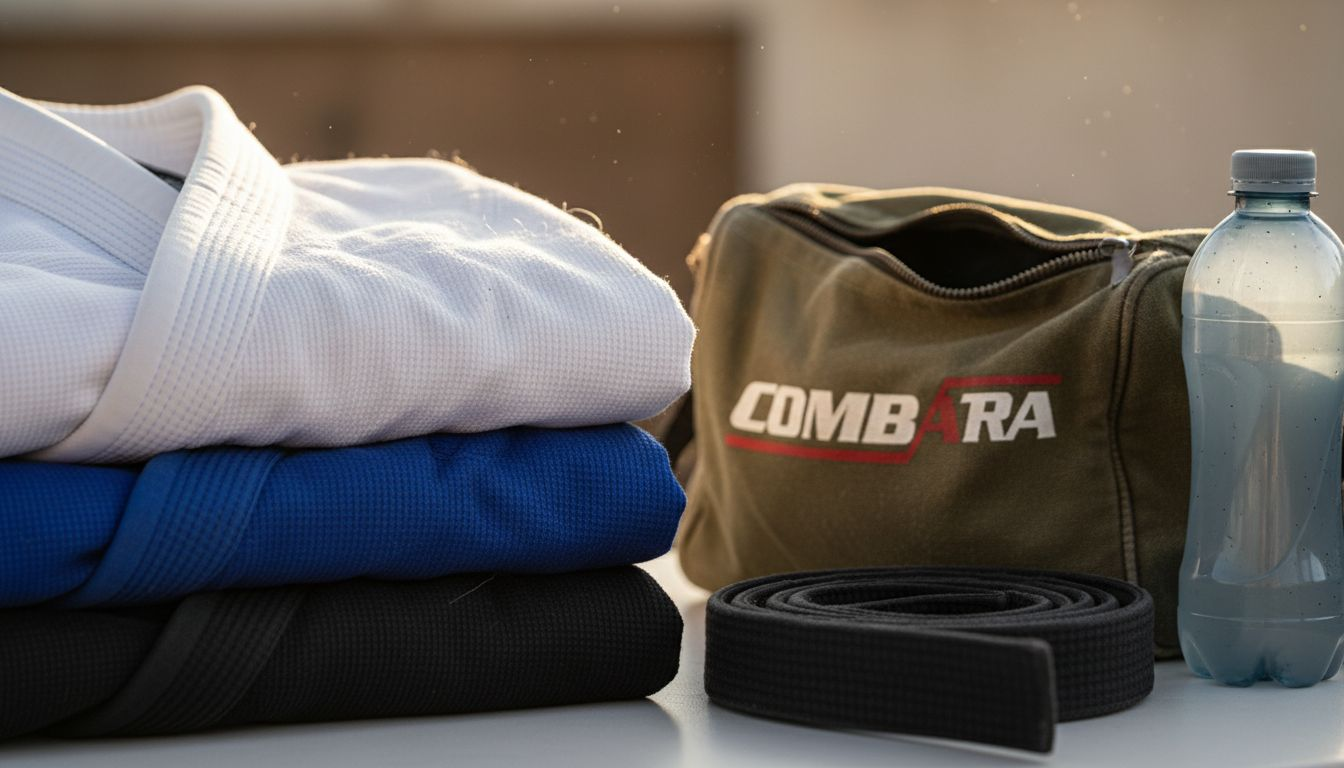
The jacket, pants, and belt work together as a complete system. Each component serves a specific purpose and must be constructed from materials that withstand constant gripping, pulling, and friction.
The Jacket: Your First Line of Defense
The jacket is where most of the action happens. Your opponent grabs your collar and sleeves, so the material must be durable without restricting their grips or yours.
Key features include:
- Reinforced collar: Heavy stitching prevents collar fraying and maintains structure
- Sleeve construction: Extends to your wrist with reinforced seams at stress points
- Lapels: The front panels where collar grips are applied during technique execution
- Thick cotton weave: Absorbs sweat while maintaining grip friction
The jacket collar is the most heavily used part of your gi. It takes the brunt of collar chokes, collar drags, and constant gripping pressure.
The Pants: Built for Leg Lock Pressure
Your gi pants experience different stress than the jacket. Opponents apply leg locks, knee cuts, and constant tension on the fabric during footlock attempts.
Cotton or cotton-like fabric must be strong enough to handle this pressure without becoming too thick or stiff. The material should allow movement while resisting tears and abrasion.
Essential features:
- Reinforced knees: Double or triple stitching at the knee area where most pressure concentrates
- Secure drawstring waist: Holds pants in place during dynamic movement
- Ankle cuffs: Reinforced seams prevent fraying from constant footwork
- Gusset construction: Extra fabric in the crotch area for range of motion
Material Types: Which One Performs Best
Different weave patterns offer distinct advantages. Your choice depends on your training style and climate.
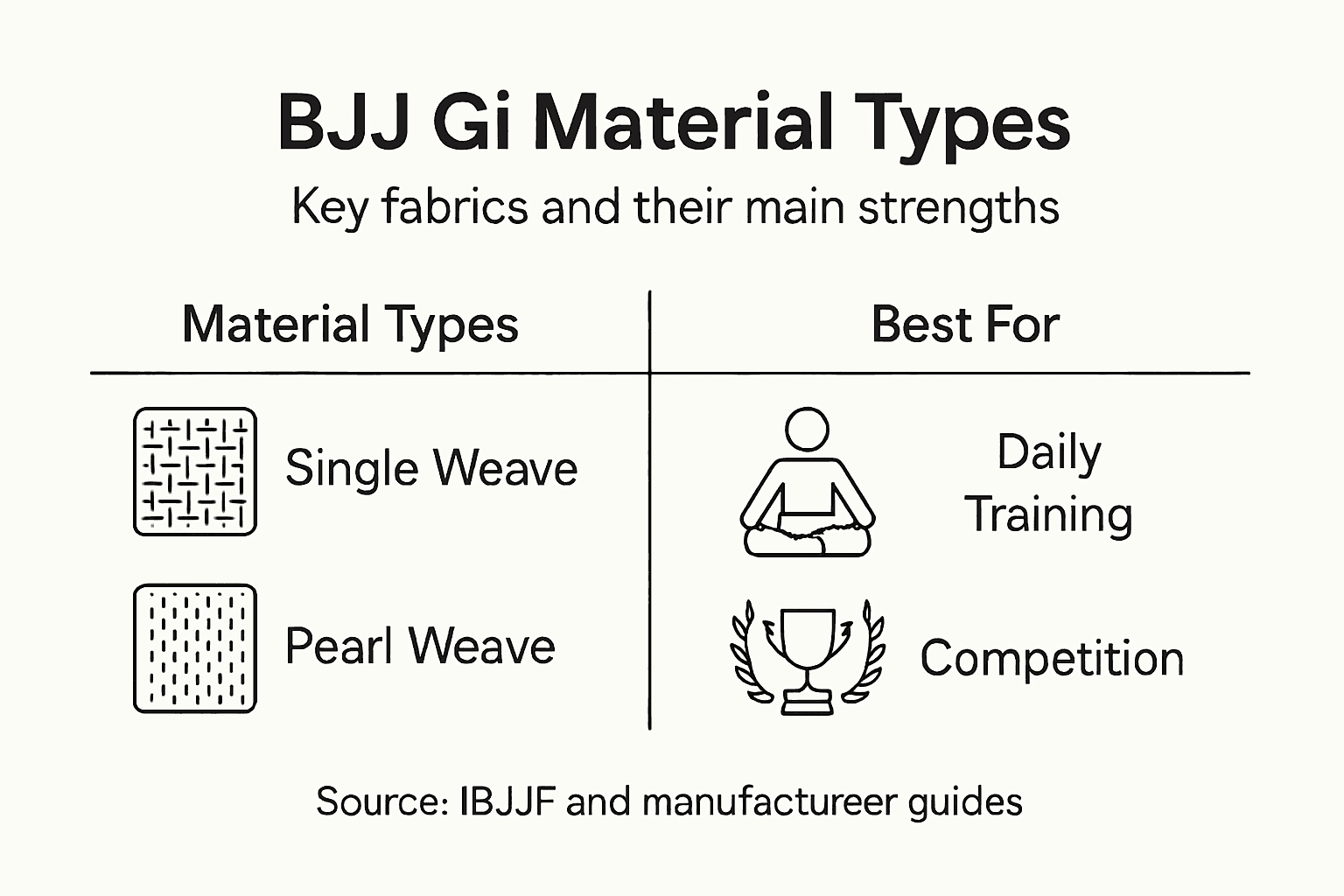
Single weave: Lighter, more breathable, better for warm climates. Less durable than other options.
Pearl weave: Balanced between comfort and durability. Most popular choice for daily training.
Ripstop cotton: Maximum durability with visible reinforced grid pattern. Heavier and less breathable.
Each material type has tradeoffs. Lighter fabrics breathe better but wear faster. Heavier fabrics last longer but feel hot during summer training.
Here's a quick overview of gi material options and when to choose each type:
| Material Type | Best For | Main Advantage |
|---|---|---|
| Single Weave | Hot climates | Lightweight, cool |
| Pearl Weave | Daily training | Balanced durability |
| Ripstop Cotton | Competition use | Maximum tear resistance |
The Belt: Your Rank Indicator
The belt serves two functions. It holds your pants up and visibly displays your rank progression from white through brown and black.
Belt construction matters. A quality belt should be thick enough to hold its shape after repeated tying and untying throughout your training career.
What Makes Materials Work Together
The gi isn't just three separate pieces. They function as one system. The jacket connects to the pants at the waist through a secure overlap, creating a unified uniform that moves with your body.
All materials must breathe adequately to manage sweat during intense rolling sessions. Poor ventilation leads to overheating and discomfort.
Pro tip: Choose a pearl weave gi for your first purchase. It balances durability, breathability, and price better than specialized weaves, giving you reliable performance across all training conditions.
Major Gi Types and Customization Options
Not all gis are built the same. Different types serve different purposes, and customization options let you create gear that matches your training style and personality.
Your choice depends on where you train, how often you compete, and what matters most to you—durability, comfort, or visual expression.
Traditional Gis: The Standard Choice
Traditional gis are the most common option. They feature heavy cotton construction with reinforced stitching throughout, making them built to last through years of intense training.
These gis work well for:
- Daily training at your academy
- Beginners learning fundamental techniques
- Competitors who want reliable, regulation-compliant gear
- Athletes training in moderate climates
Traditional gis are the industry standard for good reason. They balance durability, comfort, and affordability better than specialized options.
Lightweight Gis: For Hot Weather Training
Lightweight gis trade some durability for breathability and mobility. The thinner cotton allows sweat to evaporate faster, keeping you cooler during summer training sessions.
These work best if you:
- Train in hot, humid climates
- Prefer faster movement and less restriction
- Don't mind replacing gear more frequently
- Value comfort over maximum longevity
Lightweight gis won't last as long as traditional models, but they feel dramatically better in heat.
Competition Gis: Built for Rule Compliance
Different types of BJJ gis are designed for specific purposes. Competition gis are engineered to meet IBJJF regulations while optimizing performance for tournament rules.
They typically:
- Conform to strict IBJJF weight limits
- Come in approved competition colors only
- Include minimal patches or branding
- Feature reinforced construction for durability under match stress
If you plan to compete, your gi must be competition-approved. Check regulations before purchasing.
No-Gi Training Gear: Fast-Paced Grappling
No-gi training removes the jacket entirely, using only compression shorts or leggings. This allows faster, more cardio-intensive training without the gripping mechanics of traditional gis.
No-gi grappling emphasizes:
- Speed and agility over grip-based control
- Different technique applications
- Cross-training for MMA or submission grappling
- Conditioning in shorter, more intense sessions
Many athletes train both gi and no-gi to develop well-rounded skills.
Compare these main gi types to match your needs:
| Gi Type | Ideal For | Typical Drawback |
|---|---|---|
| Traditional | Beginners, daily use | Heavier, less cool |
| Lightweight | Hot weather, mobility | Wears out more quickly |
| Competition | Tournaments, strict rules | Limited color, higher price |
| No-Gi | MMA, faster grappling | No grip training benefit |
Customization: Making Your Gi Yours
Customization transforms a standard gi into something that represents your personality and style. You can personalize gis with:
- Custom colors beyond the standard white, black, blue
- Embroidered names or team logos
- Decorative patches on the sleeves or legs
- Custom fit adjustments for your body type
Personalizing your gi allows you to stand out during competitions while maintaining full regulation compliance.
Why Customization Matters
Wearing a gi that reflects your personality boosts confidence on the mat. Custom gis also help teammates identify you quickly during rolls and create a sense of team identity.
At Combatra, you can design fully custom gis that meet competition standards while expressing your individual style.
Pro tip: Start with a traditional, non-customized gi to learn what features matter to you. Once you know your preferences, invest in a custom gi that combines performance with personal style.
Legal and Competition Standards for BJJ GIs
If you plan to compete, your gi isn't just about comfort or style. The IBJJF has strict regulations that your uniform must meet before you step on the mat.
Understanding these rules prevents frustration on competition day. Non-compliant gis get rejected during weigh-ins, leaving you unable to compete.
Approved Colors Only
IBJJF regulations specify that competition gis must be white, black, or royal blue. No mixed colors, no patterns, no exceptions.
Your entire gi must be a single, uniform color throughout:
- White gis: The traditional standard, most common choice
- Black gis: Popular for advanced competitors, creates visual contrast
- Royal blue gis: Modern option gaining popularity in tournaments
Patches and embroidery are allowed only in authorized locations on the sleeves and legs. Avoid excessive branding or logos in unauthorized areas.
Sleeve and Pant Length Requirements
Your gi's fit must fall within strict measurements. Sleeves that are too long or too short will fail inspection.
Sleeve specifications:
- Must extend to your wrist when arms are at your sides
- Cannot extend more than 2 centimeters past your wrist
- Should allow no more than 7 centimeters of opening when fully extended
Pant specifications:
- Must end no more than 2 centimeters above your ankle
- Cannot drag on the ground
- Inspectors measure both legs to ensure consistency
Incorrect sleeve and pant length is the most common rejection reason at tournaments. Measure your gi before competing to avoid last-minute disqualification.
Jacket Length and Collar Standards
Your gi jacket must reach your thighs—not your knees, not your waist. The collar has a maximum thickness requirement to prevent excessive grip advantages.
These measurements ensure fairness across all competitors. A jacket that's too short or a collar that's too thick could provide unfair advantages during gi gripping.
Material and Condition Requirements
Competition gis must be made from cotton or similar material that doesn't hinder gripping. The fabric can't be so thick or hard that it restricts your opponent's ability to execute techniques.
Your gi must be:
- Clean: Free of excessive dirt or stains
- In good condition: No significant tears or damage
- Properly functioning: All seams intact, drawstrings secure
Inspectors examine gis closely before matches. Damaged or soiled uniforms get rejected immediately.
Belt Width and Tying Requirements
Your rank belt must be 4 to 5 centimeters wide. It should be tied with a proper square knot that stays secure throughout your match.
A loose or incorrectly tied belt can result in a referee stoppage, interrupting your flow during competition.
Pre-Competition Verification
Before traveling to a tournament, verify your gi meets all current IBJJF standards. Rules evolve year to year, so check the official IBJJF website for the latest requirements.
Understanding how to choose your gi helps ensure it meets both your performance needs and competition regulations.
Pro tip: Bring your gi to your academy a week before competition and have your instructor verify it passes IBJJF inspection. This prevents tournament rejection and gives you time to address any issues.
Choosing the Right Gi: Fit, Care, and Mistakes
Picking the right gi is more than just grabbing whatever is available. The fit, fabric type, and care routine determine how long your gear lasts and how well it performs.
Most beginners make avoidable mistakes that cost them money and frustration down the line. Learning what matters helps you invest wisely.
Finding the Correct Fit
Your gi should fit snugly without restricting movement. Sleeves too long or too short create problems both in training and competition.
Use these measurements as guidelines:
- Jacket length: Should reach your thighs when standing upright
- Sleeve length: Must extend to your wrist with minimal gap
- Pant length: Should end near your ankle, not dragging
- Waist fit: Snug enough to stay in place, loose enough to move
A properly fitted gi lets you move freely while keeping your opponent from grabbing excessive fabric.
Pre-Wash Shrinkage Expectations
Cotton gis shrink. Most will contract by 5 to 10 percent after the first few washes, especially pearl weave and traditional construction.
Many beginners buy gis that fit perfectly out of the box, then watch them shrink to undersized after laundering. Plan for this shrinkage when selecting your size.
Never wash your gi in hot water on the first wash. Cold water reduces shrinkage while still cleaning the fabric effectively.
Proper Washing and Drying Methods
How you care for your gi directly impacts its lifespan. Aggressive washing and high heat damage the cotton fibers and accelerate deterioration.
Best practices include:
- Wash in cold water: Prevents excessive shrinkage and color fading
- Use gentle cycle: Reduces strain on seams and fabric
- Air dry whenever possible: Dryers cause shrinkage and weaken cotton fibers
- Dry flat or hang: Prevents wrinkles and maintains shape
- Avoid bleach: Discolors patches and weakens fabric
Drying flat takes longer but preserves gi integrity significantly better than machines.
Common Mistakes to Avoid
Most gi damage comes from poor care decisions, not heavy training.
Don't make these errors:
- Buying based on looks alone: Style matters less than fit and material quality
- Hot water washing: Accelerates shrinkage and fading
- Machine drying: Causes unnecessary shrinkage and weakens seams
- Wearing a soiled gi to training: Spreads bacteria and creates hygiene issues
- Storing damp gis: Leads to mold and mildew growth
- Ignoring small rips: Small tears expand quickly with continued use
These mistakes seem minor individually but compound quickly over time.
Understanding Your Training Needs
Understanding different BJJ attire options helps you match your gear to how you actually train.
Consider your situation:
- Do you train daily or a few times weekly?
- Are you competing or training recreationally?
- Is your academy climate-controlled or outdoor?
- Do you prefer a lightweight gi or maximum durability?
These factors should guide your purchase decision more than color preference.
Investing in Quality
Cheaper gis save money upfront but deteriorate faster and require replacement sooner. Quality gis cost more initially but last years longer, providing better value overall.
A well-made gi withstands hundreds of hours of intense rolling and multiple washing cycles without significant degradation.
Pro tip: Buy your first gi slightly larger than your measured size to account for shrinkage, then order future gis to your actual measurements once you understand how much yours contracted.
Discover a Gi That Transforms Your BJJ Journey
Choosing the right gi is more than just picking a uniform it is about embracing a tool that shapes your technique, comfort, and confidence on the mat. This article highlights how crucial fit, material, and adherence to competition standards are in your BJJ training and tournaments. Avoid common pitfalls like poor fit or shrinkage and start with a gi that endures intense training without restricting movement.
At Combatra, we specialize in premium, personalized gis designed to meet your unique needs and IBJJF regulations. Whether you want a classic pearl weave for daily training or a competition-ready gi, our custom options let you personalize colors, logos, and names to reflect your style and heritage. Take control of your BJJ experience with durable gear crafted for performance and comfort. Visit Combatra now and elevate your training with a gi built just for you.
Frequently Asked Questions
What is the purpose of the gi in Brazilian Jiu-Jitsu?
The gi is a traditional uniform designed specifically for Brazilian Jiu-Jitsu, consisting of a heavy cotton jacket, reinforced pants, and a belt. It facilitates gripping and control during training and competition, enhancing overall technique and body mechanics.
How does the gi affect performance in BJJ?
The gi adds a layer of strategy, allowing both offensive and defensive techniques based on grips. It requires practitioners to develop specialized skills unique to gi training, which are different from no-gi grappling.
What are the main components of the gi?
The gi consists of three key components: the jacket (judogi), pants (zubon), and a rank-indicating belt (obi). Each of these pieces is constructed from durable materials to withstand the rigorous demands of BJJ.
What should I look for when choosing a gi for training?
When selecting a gi, consider the fit, material type, and weight. A pearl weave fabric is a great option for beginners, providing a balance between durability and comfort. Ensuring a snug fit without restricting movement is also essential.