
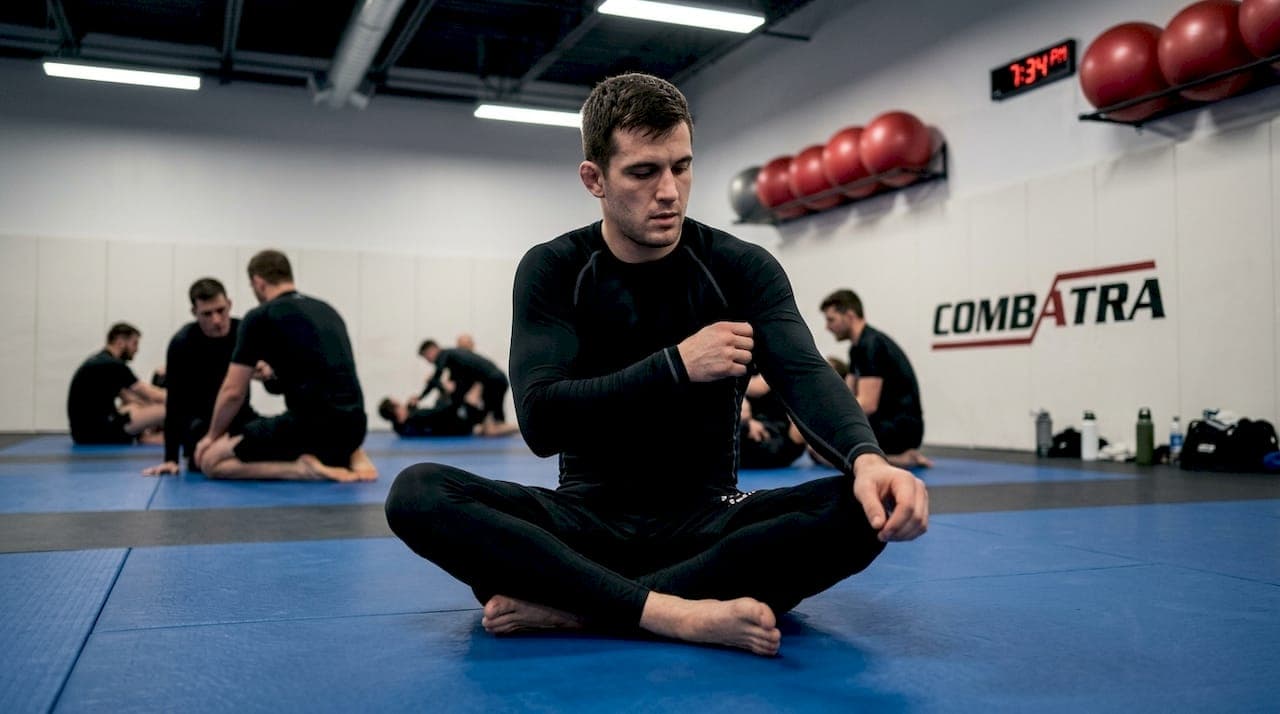
Many BJJ practitioners step onto the mat for their first no-gi class unsure of what to wear. The absence of a traditional gi creates confusion about appropriate training attire. No-gi apparel commonly includes rashguards, shorts, and compression garments designed to enhance performance and hygiene. Understanding these components transforms your training experience by improving comfort, movement freedom, and skin protection. This guide clarifies what no-gi apparel includes and helps you select the right gear for your BJJ journey.
Table of Contents
- Key takeaways
- Understanding no-gi apparel essentials
- Materials and fit: choosing the right no-gi apparel
- Comparing no-gi apparel options: rashguards and shorts
- Maintaining and caring for your no-gi apparel
- Enhance your no-gi training with quality apparel from Combatra
- FAQ
Key Takeaways
| Point | Details |
|---|---|
| No gi essentials | Rashguards, shorts, and compression garments form the core no gi outfit and protect during grappling. |
| Rashguard purpose | Rashguards wick moisture, prevent mat burns, and resist bacterial growth for hygiene and comfort. |
| Fabric and fit | Polyester and spandex blends provide durability and stretch for a comfortable range of motion. |
| Competition rules | Most tournaments limit rashguards to at least 50 percent single color and restrict branding. |
Understanding no-gi apparel essentials
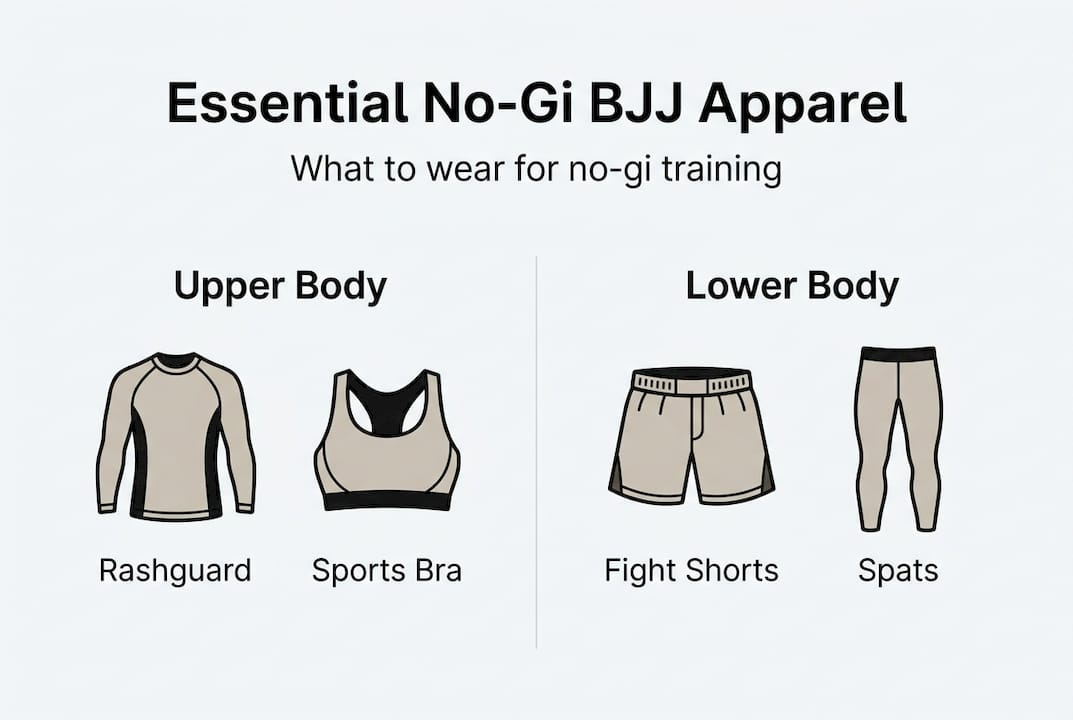
No-gi BJJ demands specialized clothing that performs under intense physical conditions. The rashguard serves as the foundation of any no-gi outfit, functioning as a compression top that wicks moisture away from your skin while protecting against mat burns and skin infections. These garments use synthetic materials engineered to withstand the constant friction and stretching that occurs during grappling exchanges.
Fight shorts designed specifically for grappling complement your rashguard by providing unrestricted leg movement. Unlike regular athletic shorts, no-gi shorts feature reinforced stitching, stretch panels, and a shorter inseam that prevents your training partner from accidentally grabbing excess fabric. The waistband typically includes both Velcro and drawstring closures to keep the shorts secure during scrambles and submissions.
Compression spats represent an optional but increasingly popular component of no-gi apparel. These full-length leggings offer additional skin protection and muscle support during training. Some practitioners prefer spats for hygiene reasons, as they create a barrier between your legs and the mat while reducing direct skin contact with training partners.
Competition rules significantly influence apparel choices in no-gi BJJ. Most tournaments require rashguards to be at least 50% of a single color and prohibit excessive branding or graphics. Understanding these regulations before purchasing gear prevents disappointment when you arrive at your first competition.
The hygiene benefits of proper no-gi apparel cannot be overstated. Synthetic materials used in rashguards and shorts dry quickly and resist bacterial growth better than cotton alternatives. This characteristic becomes crucial when training multiple times per week, as properly designed no-gi gear maintains freshness longer and protects against common skin infections like ringworm and staph.
Key components of no-gi apparel include:
- Rashguards in long sleeve, short sleeve, or sleeveless designs for upper body protection
- Fight shorts with stretch panels and secure closures for lower body coverage
- Compression spats or leggings for additional leg protection and support
- Sports bras or compression tops designed specifically for female practitioners
- Moisture-wicking fabrics that prevent bacteria buildup and skin irritation
Materials and fit: choosing the right no-gi apparel
Polyester forms the backbone of most quality no-gi apparel due to its exceptional durability and moisture-wicking properties. This synthetic fiber resists stretching and maintains its shape even after hundreds of training sessions. Manufacturers often blend polyester with spandex to create fabrics that offer both structure and elasticity, allowing your gear to move with your body during dynamic grappling exchanges.
Spandex content typically ranges from 10% to 20% in high-performance rashguards and spats. This elastic fiber provides the stretch necessary for full range of motion during techniques like triangle chokes and armbar escapes. Too little spandex results in restrictive gear that limits movement, while too much creates loose fabric that opponents can grab.
Nylon blends offer an alternative to polyester-based fabrics, providing a softer feel against the skin while maintaining excellent durability. Some practitioners prefer nylon for its slightly more luxurious texture, though it typically costs more than polyester equivalents. Material choice and fit impact comfort, durability, and performance in no-gi BJJ apparel.
The fit of your no-gi gear directly affects your training experience. Rashguards should feel like a second skin, tight enough to prevent grabbing but not so constrictive that they restrict breathing or movement. When trying on a rashguard, raise your arms overhead and twist your torso to ensure the fabric moves with you without riding up or creating excess material.
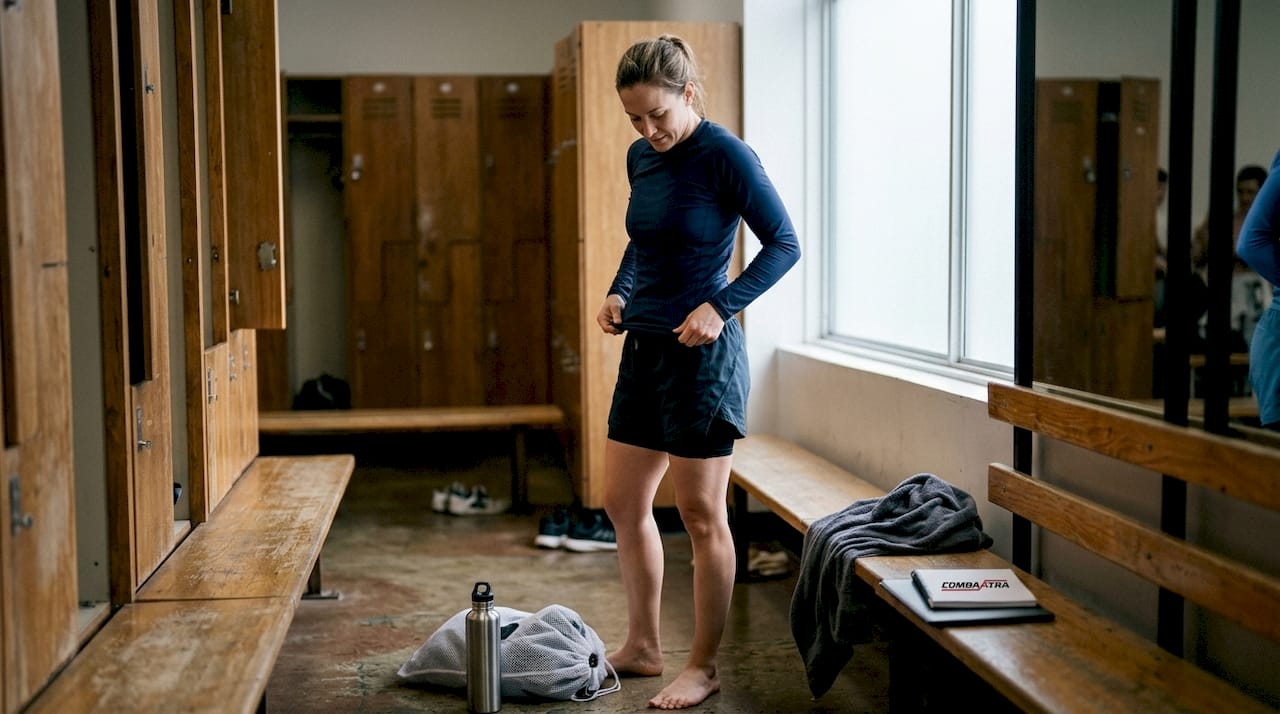
Fight shorts require a different fit philosophy than rashguards. The waistband should sit securely on your hips without requiring constant adjustment, while the leg openings should allow free movement without being so loose that they flip up during rolls. A proper fit means you can execute high kicks and deep squats without the shorts shifting or binding.
Breathability separates premium no-gi apparel from budget alternatives. High-quality fabrics incorporate mesh panels or use specialized weaves that promote air circulation, keeping you cooler during intense training sessions. Quick-dry features become essential when training multiple times per day, as your gear needs to dry completely between sessions to prevent bacterial growth.
Pro Tip: Purchase rashguards and shorts from multiple brands to compare fit and material quality firsthand. Body shapes vary significantly, and a brand that fits your training partner perfectly might not work for your proportions. Most reputable companies offer detailed size charts, but nothing replaces trying gear on before committing to a full training wardrobe.
Consider these material and fit factors:
- Polyester-spandex blends offer the best balance of durability and flexibility for most practitioners
- Rashguards should fit snugly without restricting breathing or creating pressure points
- Fight shorts need secure waistbands and appropriate leg openings for your body type
- Mesh panels and moisture-wicking treatments enhance comfort during long training sessions
- Quick-dry fabrics allow you to train multiple times per day without odor buildup
Comparing no-gi apparel options: rashguards and shorts
Rashguard styles cater to different training preferences and environmental conditions. Long sleeve rashguards provide maximum skin protection and work well in air-conditioned facilities where temperature control matters. Short sleeve versions offer a middle ground, protecting your torso while allowing more arm mobility and heat dissipation. Sleeveless rashguards maximize cooling but provide minimal skin protection, making them suitable primarily for experienced practitioners training in controlled environments.
| Rashguard Type | Coverage | Heat Management | Skin Protection | Best For |
|---|---|---|---|---|
| Long Sleeve | Maximum | Low | Excellent | Competition, cold gyms, beginners |
| Short Sleeve | Moderate | Moderate | Good | Year-round training, versatile use |
| Sleeveless | Minimal | High | Basic | Hot climates, experienced grapplers |
No-gi shorts come in several distinct styles, each with specific advantages. No-gi athletes choose from various rashguard designs and shorts based on personal needs. Fight shorts designed specifically for grappling feature split seams or stretch panels along the sides, allowing deep squats and high guard positions without restriction. Board shorts offer a more casual aesthetic but often lack the technical features that enhance performance during training.
Vale tudo shorts represent the most minimalist option, resembling compression shorts with a slightly longer inseam. These work well under fight shorts for additional coverage or alone for practitioners who prefer maximum mobility. The tight fit eliminates any fabric for opponents to grab, though some find them less modest than traditional fight shorts.
| Short Type | Fit | Durability | Grip Prevention | Ideal Use |
|---|---|---|---|---|
| Fight Shorts | Loose | Excellent | Good | Training and competition |
| Board Shorts | Moderate | Good | Moderate | Casual training |
| Vale Tudo | Tight | Excellent | Excellent | Competition, minimal coverage |
Choosing between apparel options depends on your specific BJJ goals and training environment. Competition-focused practitioners benefit from investing in long sleeve rashguards and fight shorts that meet tournament regulations, ensuring they can train in the same gear they'll compete in. Recreational grapplers might prioritize comfort and cooling, making short sleeve rashguards and breathable shorts more appropriate.
Pro Tip: Start with one long sleeve rashguard and one pair of quality fight shorts, then expand your collection based on your training frequency and laundry schedule. Many practitioners find that owning three to four rashguards allows them to train four to five times per week without wearing the same gear twice before washing.
Consider these factors when selecting apparel:
- Long sleeve rashguards excel in competition settings and provide maximum protection for beginners
- Short sleeve options offer versatility for year-round training in various climates
- Fight shorts with stretch panels accommodate the full range of BJJ movements
- Vale tudo shorts eliminate grip points but require comfort with minimal coverage
- Board shorts work for casual training but lack technical features of purpose-built fight shorts
Maintaining and caring for your no-gi apparel
Proper care extends the life of your no-gi gear while maintaining its performance characteristics and hygiene benefits. Proper care of rashguards and shorts extends their durability, hygiene, and performance. Follow these steps to keep your apparel in optimal condition:
-
Rinse your gear in cold water immediately after training to remove sweat and bacteria before they set into the fabric. This simple step prevents odor buildup and reduces the bacterial load that causes skin infections.
-
Wash your rashguards and shorts in cold water on a gentle cycle using mild detergent designed for athletic wear. Avoid fabric softeners, as they coat synthetic fibers and reduce moisture-wicking capabilities.
-
Add white vinegar to the rinse cycle once per week to eliminate stubborn odors and bacteria that regular detergent misses. Use one cup of vinegar for a full load of training gear.
-
Air dry your gear away from direct sunlight to prevent color fading and material degradation. Hang rashguards and shorts in a well-ventilated area where air can circulate freely around the fabric.
-
Inspect your gear regularly for signs of wear, including loose stitching, thinning fabric, or loss of elasticity. Replace items showing significant wear before they fail during training.
-
Store clean, dry gear in a breathable bag or open space rather than sealed containers. Trapped moisture creates an environment where bacteria thrive, even in clean gear.
-
Rotate between multiple sets of training gear to allow each piece adequate drying time between uses. Wearing the same rashguard two days in a row, even after washing, increases your risk of skin infections.
Removing persistent odors requires targeted treatment beyond regular washing. Soak affected gear in a solution of cold water and baking soda for 30 minutes before washing. For severe cases, specialized sports detergents containing enzymes break down the bacteria causing odors more effectively than standard laundry products.
Color fading occurs naturally over time but accelerates with improper care. Always wash colored gear inside out to protect the outer surface from abrasion. Separate dark colors from light colors to prevent dye transfer, and never use bleach or harsh chemicals that strip color from synthetic fabrics.
Maintaining elasticity in your rashguards and spats requires avoiding high heat. Never put compression gear in the dryer, as heat breaks down spandex fibers and causes permanent stretching. If you must speed up drying, use a fan to circulate air around your gear rather than applying heat.
Common mistakes that damage no-gi apparel include leaving wet gear in your gym bag overnight, using hot water for washing, applying fabric softener, and exposing gear to direct sunlight for extended periods. Each of these practices accelerates wear and reduces the functional lifespan of your training equipment.
Enhance your no-gi training with quality apparel from Combatra
Now that you understand what no-gi apparel includes and how to select and maintain it, upgrading your training gear becomes the logical next step. Combatra specializes in customizable rashguards and fight shorts designed specifically for the demands of no-gi BJJ. Our compression tops feature moisture-wicking fabrics and reinforced stitching that withstand intense training sessions while maintaining their shape and performance characteristics.

Female practitioners benefit from our handcrafted sports bras engineered for high-impact grappling, providing support without restricting movement. Each piece in our collection balances durability with comfort, using premium materials that protect your skin and enhance your performance. Customization options allow you to express your personal style while meeting competition requirements, creating gear that represents your unique approach to BJJ.
FAQ
What should I wear under my rashguard during no-gi training?
Many practitioners wear compression shorts or spats under their rashguard for additional hygiene and comfort, though this remains optional based on personal preference. Avoid cotton underwear, as it retains moisture and increases chafing during training. Some choose to wear nothing under their rashguard if it provides adequate coverage, while others prefer the extra layer for modesty and protection.
Can I use gi pants with no-gi apparel during training?
Gi pants are generally not used in no-gi training or competitions, as they provide grips that contradict the no-gi ruleset. However, some practitioners wear gi pants during mixed training sessions that incorporate both gi and no-gi techniques. For pure no-gi training, fight shorts and spats remain the preferred options for freedom of movement and rule compliance.
How tight should no-gi shorts and rashguards fit?
No-gi rashguards should fit snugly against your skin without restricting breathing or movement, similar to compression athletic wear. The fabric should not bunch or create excess material that training partners can grab. Shorts should provide flexibility and stay in place during dynamic movements without being so loose that they shift or flip up during rolls.
Are there specific apparel rules for no-gi competitions?
Most competitions require clean, unbranded rashguards that are at least 50% of a single color, along with shorts without pockets or zippers that could cause injury. Specific requirements vary by organization and event, so always check the rulebook for your tournament before competing. Some organizations allow full graphics and branding, while others maintain strict color and design limitations.
How often should I replace my no-gi training gear?
Replace rashguards and shorts when you notice significant loss of elasticity, thinning fabric, or persistent odors that washing cannot eliminate. High-quality gear typically lasts six months to two years depending on training frequency and care practices. Visible signs of wear like holes, fraying seams, or faded colors indicate it's time for replacement, even if the gear remains functional.