
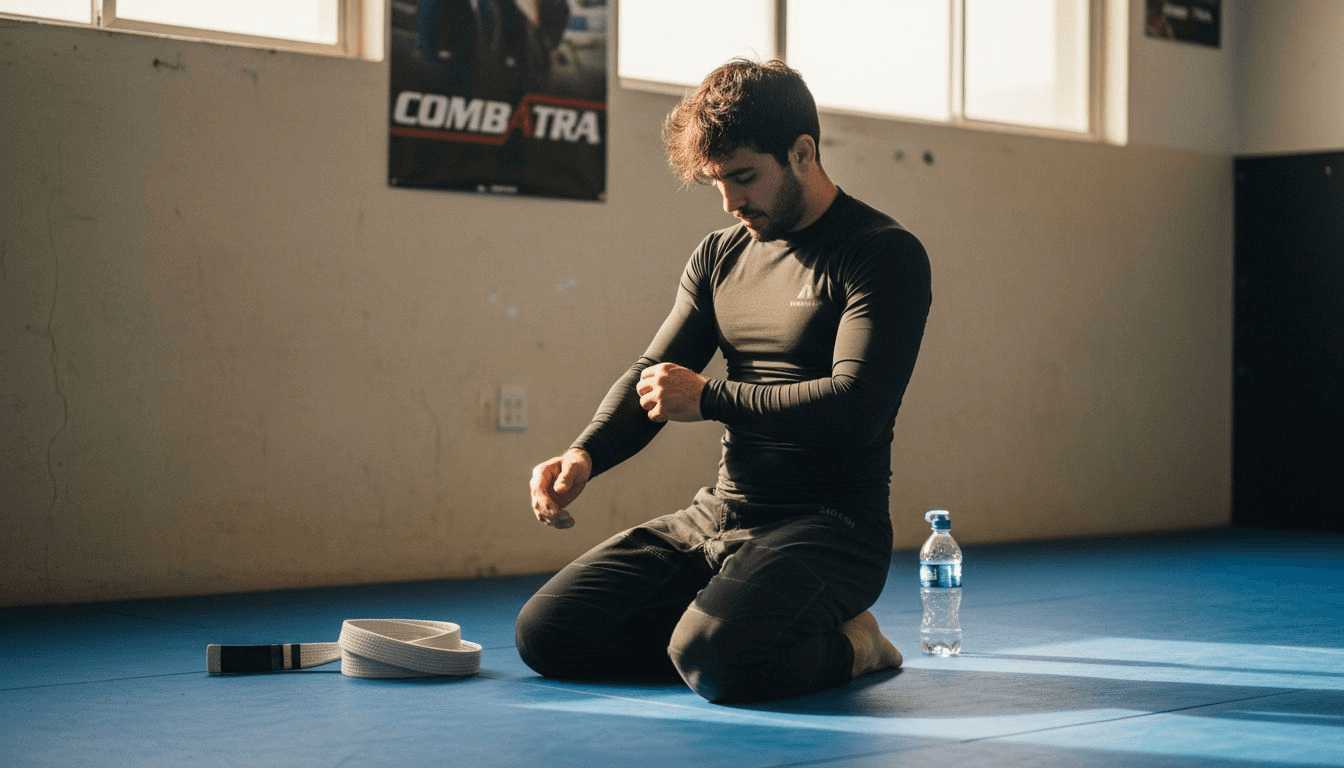
Many BJJ athletes worry that a 240 GSM rashguard will trap heat and make training unbearable. The truth is more nuanced. Understanding GSM gives you the power to choose rashguards that balance durability, breathability, and compression for your specific needs. This guide breaks down what 240 GSM actually means and why it's the sweet spot for most practitioners seeking personalized performance gear.
Table of Contents
- Understanding Gsm And Its Role In Bjj Rashguards
- Why 240 Gsm Is Popular In Bjj Rashguards
- Comparison: 240 Gsm Vs Other Gsm Weights In Rashguards
- Common Misconceptions About Gsm In Rashguards
- Performance Effects Of 240 Gsm In Rashguards
- Practical Guidance For Selecting 240 Gsm Rashguards
- Explore Custom 240 Gsm Rashguards At Combatra
- Frequently Asked Questions
Key takeaways
| Point | Details |
|---|---|
| GSM measures fabric weight | GSM measures fabric density and influences rashguard properties like durability and breathability, affecting how your rashguard performs during rolls. |
| 240 GSM balances key traits | This mid-weight fabric offers durability without sacrificing flexibility or breathability for training and competition. |
| Breathability depends on weave | Fabric construction and material technology matter more than weight alone for temperature regulation. |
| Optimal for most athletes | 240 GSM provides moderate compression, moisture wicking, and abrasion resistance suitable for varied training conditions. |
| Choose based on your needs | Select rashguard weight by considering training intensity, climate, and personal comfort preferences. |
Understanding GSM and its role in BJJ rashguards
GSM stands for grams per square meter. It measures the weight and density of fabric. A higher GSM number means the material has more fibers packed into each square meter, creating a denser, typically more durable fabric.
This measurement directly affects several critical rashguard characteristics:
- Durability and abrasion resistance during mat contact
- Breathability and heat retention during intense training
- Stretch and flexibility for complex grappling movements
- Compression level supporting muscle engagement
- Moisture management keeping you dry
Understanding GSM helps you make informed decisions. While a higher number indicates denser fabric, it doesn't automatically mean better performance. You need to consider how GSM interacts with fabric weave, fiber composition, and construction methods. A 240 GSM rashguard made with advanced polyester blends can outperform a 280 GSM rashguard using outdated materials.
Knowing your rashguard's GSM lets you match fabric weight explained to your training intensity. Competition athletes might prefer different weights than casual practitioners. Climate matters too. Hot gyms demand different fabric characteristics than air-conditioned facilities.
Pro Tip: Check the GSM rating before buying any rashguard to ensure it matches your training environment and intensity level.
Why 240 GSM is popular in BJJ rashguards
The 240 GSM range has become the gold standard for BJJ rashguards. This mid-weight fabric strikes an ideal balance between competing demands. It's dense enough to resist tears and maintain shape through countless training sessions, yet light enough to allow airflow and movement.
Athletes appreciate 240 GSM for several practical reasons:
- Sufficient thickness to prevent mat burns and abrasions
- Enough stretch for technical movements without restriction
- Moderate compression supporting muscles without constriction
- Effective moisture wicking during high-intensity rolls
- Versatile performance across training and competition settings
Choosing rashguards around 240 GSM provides an optimal balance supporting personalized customization in premium BJJ gear. This weight category accommodates various body types and training styles. Whether you're drilling techniques or competing in tournaments, 240 GSM adapts to your needs.
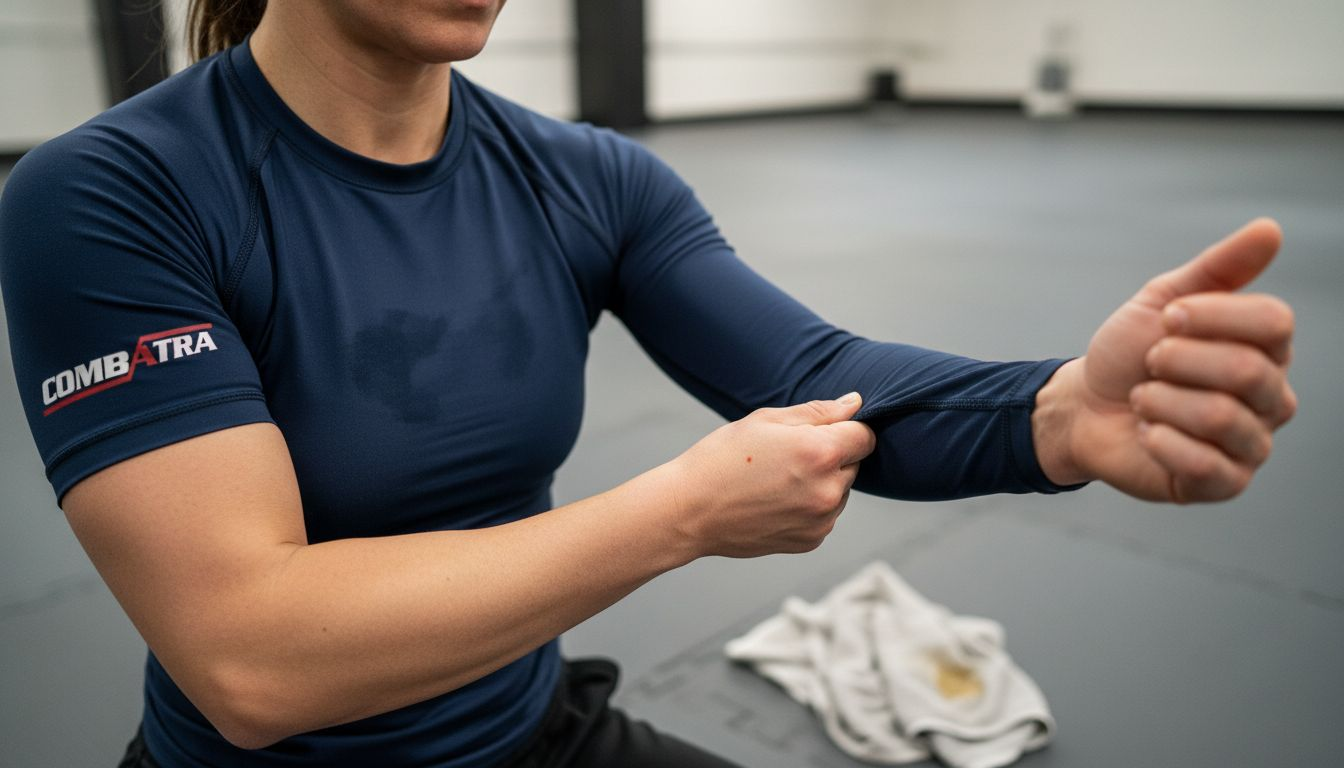
The benefits of rashguards at this weight include longevity without excessive bulk. You get protection without feeling like you're wearing armor. The fabric moves with your body during transitions and submissions.
Temperature regulation is another advantage. While 240 GSM is denser than ultra-light options, modern fabric technology ensures adequate breathability. The weight provides enough structure for compression benefits while allowing heat dissipation through intelligent weave patterns.
Pro Tip: If you're new to selecting the right rashguard, start with 240 GSM as your baseline, then adjust based on personal experience and preferences.
Comparison: 240 GSM vs other GSM weights in rashguards
Understanding how 240 GSM compares to lighter and heavier options clarifies why it's the preferred middle ground. Each weight category serves specific purposes and comes with distinct tradeoffs.
| GSM Range | Durability | Breathability | Heat Retention | Abrasion Resistance |
|---|---|---|---|---|
| Below 180 GSM | Lower, prone to tears | Excellent airflow | Minimal, stays cool | Limited protection |
| 240 GSM | High, long-lasting | Good ventilation | Moderate warmth | Strong defense |
| Above 280 GSM | Very high, robust | Reduced airflow | Higher warmth | Maximum protection |
Lighter fabrics below 180 GSM excel in hot conditions. They provide maximum airflow and minimal heat retention. However, they sacrifice durability and offer less compression support. These rashguards work well for warm-weather training or athletes who prioritize cooling over longevity.
Heavier fabrics above 280 GSM deliver superior abrasion resistance. They're built for intense grappling and extended lifespan. The tradeoff comes in reduced flexibility and increased heat retention. Some athletes feel restricted in heavier rashguards, especially during explosive movements.
240 GSM offers better abrasion resistance and balanced heat retention compared to below 180 GSM and above 280 GSM fabrics. This middle-weight option gives you 80% of the durability of heavier fabrics with 80% of the breathability of lighter ones.
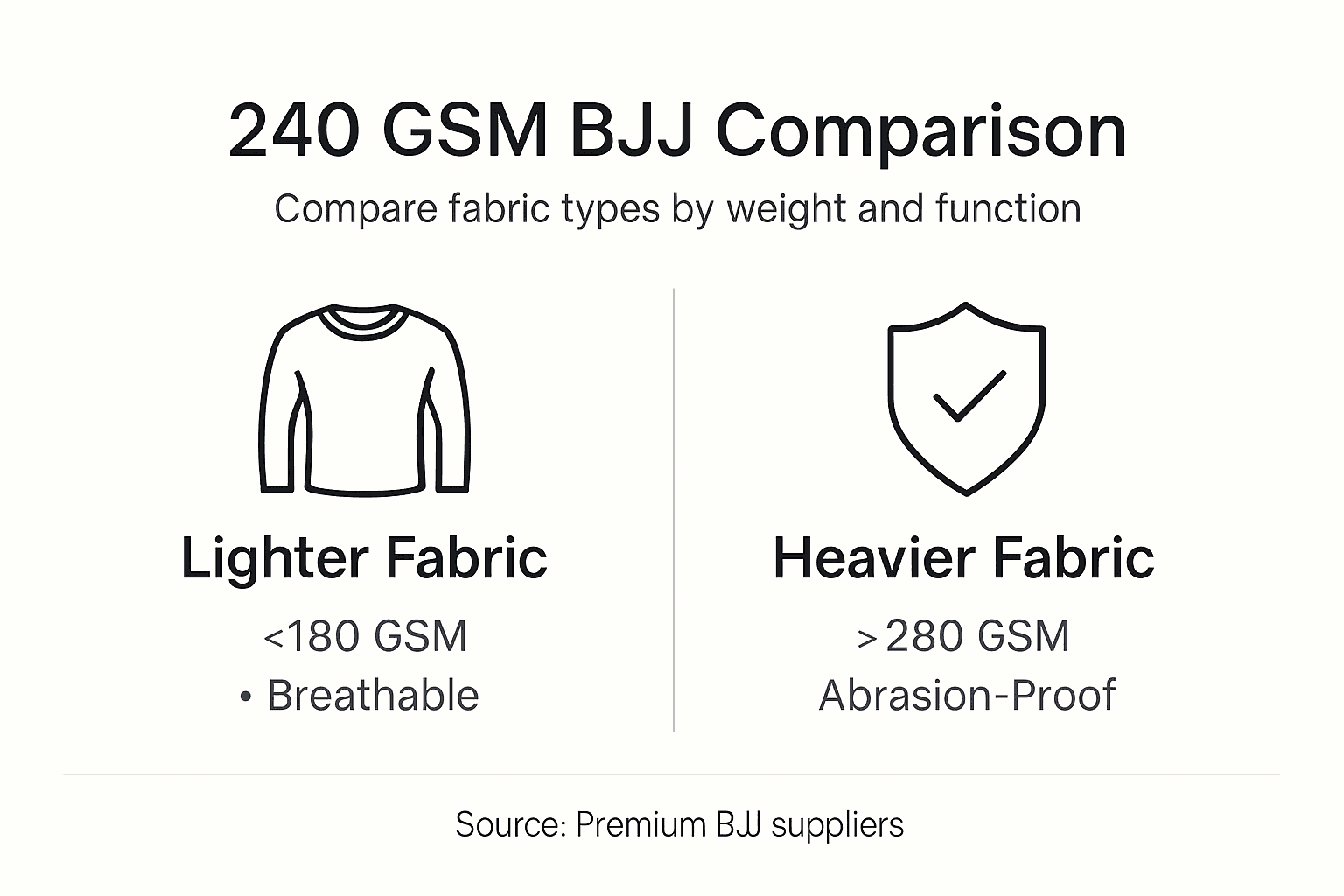
The rashguard weight comparison shows 240 GSM accommodates varied training conditions. You can train hard in moderate climates without overheating or sacrificing protection. The compression level supports performance without restricting blood flow.
Pro Tip: Test different GSM weights during trial classes to find your personal sweet spot, but expect 240 GSM to work well for 70-80% of training scenarios.
Common misconceptions about GSM in rashguards
Several myths surround GSM ratings and their impact on rashguard performance. Clearing these up helps you make better purchasing decisions.
Myth one: Heavier rashguards always cause overheating. This oversimplifies how fabrics regulate temperature. A 240 GSM rashguard with advanced moisture-wicking polyester can keep you cooler than a poorly constructed 180 GSM option. Fabric weave patterns, fiber technology, and ventilation zones matter more than weight alone.
Myth two: GSM directly equals quality. High GSM doesn't automatically mean better craftsmanship or performance. A 300 GSM rashguard made with cheap materials and loose stitching will fail faster than a well-constructed 240 GSM option. Construction quality, seam reinforcement, and fiber composition determine overall durability.
Myth three: Lighter always means more breathable. Breathability depends more on fabric weave and material technology rather than GSM alone. Modern 240 GSM rashguards use mesh panels, moisture-wicking treatments, and engineered ventilation that outperform basic lightweight fabrics.
"The best rashguard weight isn't determined by GSM numbers alone but by how fabric construction, material science, and weight work together to serve your specific training needs."
Understanding these misconceptions prevents you from fixating on GSM as the only important metric. Consider the complete package: fabric technology, construction quality, fit, and how these elements complement your training style. The fabric breathability facts show that intelligent design beats raw weight.
Performance effects of 240 GSM in rashguards
The 240 GSM fabric weight creates specific performance characteristics that directly impact your training. Understanding these effects helps you leverage this fabric weight for maximum benefit.
Compression is one key advantage. The fabric density provides moderate muscle support without excessive tightness. This compression level improves proprioception, helping you feel body position during complex movements. It also supports circulation and reduces muscle vibration during explosive techniques.
Moisture management improves with 240 GSM compared to lighter options. The denser fabric holds moisture-wicking treatments more effectively, pulling sweat away from skin faster. During long training sessions, this keeps you drier and more comfortable than ultra-light rashguards that quickly become saturated.
Key performance benefits include:
- Enhanced muscle support during dynamic grappling movements
- Improved sweat management keeping skin drier longer
- Better shape retention after repeated washing and training
- Reduced friction and chafing from adequate fabric thickness
- Balanced flexibility allowing full range of motion
The tradeoffs are manageable. You'll experience slightly more heat retention than 180 GSM options, particularly in very hot conditions. The fabric also weighs a bit more when wet. However, most athletes find these minor drawbacks worthwhile for the durability and support gains.
Stretching characteristics remain excellent with quality 240 GSM fabrics. Modern spandex blends maintain four-way stretch even at this density. You can execute technical guard passes, sweeps, and submissions without fabric resistance limiting movement.
The compression rashguards at this weight enhance endurance by reducing muscle fatigue. The moderate compression supports blood flow while the fabric durability withstands intense rolling. Custom rashguard performance optimization depends on matching fabric weight to your individual needs and training intensity.
Practical guidance for selecting 240 GSM rashguards
Applying your GSM knowledge to actual purchases requires a systematic approach. Follow these steps to choose rashguards that match your training lifestyle.
- Assess your typical training environment temperature and humidity levels
- Evaluate your training intensity from light drilling to competition preparation
- Consider your body's heat tolerance and sweating patterns
- Determine your priority between maximum durability versus maximum cooling
- Test rashguards during actual training sessions before committing to multiple purchases
When evaluating 240 GSM options, consider these factors:
- Fabric composition blend (polyester/spandex ratio affects stretch and recovery)
- Seam construction type (flatlock stitching reduces irritation)
- Ventilation features (mesh panels or perforations enhance cooling)
- Fit preference (compression versus standard fit changes performance)
- Personalization options (custom designs increase motivation and identity)
Pro Tip: Invest in custom rashguards at 240 GSM that integrate your academy colors or personal design elements to boost training motivation and mat presence.
240 GSM rashguards provide an optimal balance, supporting personalized customization and matching athlete endurance needs. The fabric weight accommodates printing and embroidery without compromising performance. You get durability plus personal expression.
Don't ignore complementary features beyond GSM. Check for UPF sun protection if you train outdoors. The rashguards with sun protection combine 240 GSM durability with UV defense. Review the rashguard selection guide for comprehensive buying criteria.
Trial different brands and constructions within the 240 GSM range. Manufacturing quality varies significantly even at identical fabric weights. Some brands engineer better ventilation or use superior materials. Personal testing reveals which specific rashguards work best for your body and training style.
Explore custom 240 GSM rashguards at Combatra
Ready to experience the 240 GSM advantage with personalized design? Combatra offers premium customizable rashguards engineered for serious BJJ athletes. Our 240 GSM compression tops deliver the optimal balance of durability, breathability, and performance you've learned about.

Create your ideal training rashguard with custom rashguard compression top options featuring 240 GSM fabric. Choose your colors, add your name or academy logo, and select the fit that matches your training style. Our custom rashguard personalization service brings your vision to life on durable, high-performance fabric.
Pair your rashguard with matching custom compression shorts for complete training kit coordination. Combatra's commitment to quality ensures every piece withstands intense grappling while keeping you comfortable. Express your identity on the mat with gear that performs as hard as you train.
Pro Tip: Personalized gear increases training motivation and creates stronger connections with your martial arts journey, making the 240 GSM investment even more valuable.
Frequently asked questions
What does GSM stand for and why is it important in rashguards?
GSM means grams per square meter, measuring fabric weight and density. This metric affects durability, breathability, compression, and moisture management in your rashguard. Understanding GSM helps you select gear matching your training intensity and environmental conditions.
How does 240 GSM compare to lighter rashguards for hot weather training?
240 GSM provides better durability and abrasion resistance than lighter options below 180 GSM. While lighter fabrics offer more airflow, quality 240 GSM rashguards with mesh ventilation and moisture-wicking treatments perform well in warm conditions. The slight warmth increase is offset by superior longevity and compression benefits.
Can I wear a 240 GSM rashguard for both training and competition?
Absolutely. 240 GSM's balanced properties make it ideal for both scenarios. The fabric provides competition-level durability while remaining comfortable enough for daily training sessions. Most professional athletes use 240 GSM rashguards across all their grappling activities.
Is a heavier GSM rashguard always more durable?
Not necessarily. Durability depends on fabric quality, construction methods, and seam reinforcement, not just GSM. A well-made 240 GSM rashguard with reinforced stitching outperforms a poorly constructed 300 GSM option. Focus on overall build quality alongside fabric weight.
How do I know if 240 GSM rashguards suit my personal needs?
Test a 240 GSM rashguard during typical training sessions in your normal gym environment. If you stay comfortable without overheating and the fabric withstands your grappling intensity, it's suitable. Most athletes find 240 GSM works well unless they have extreme heat sensitivity or train in very hot conditions requiring maximum ventilation.