
TL;DR:
- Wearing clothing with UPF 50 offers significantly better UV protection than standard athletic wear. Proper fabric type, tight weave, darker color, and moisture management are crucial for effective sun defense. Certified UPF 50 gear provides reliable, long-lasting protection that complements sunscreen, reducing long-term skin damage for outdoor athletes.
Most athletes assume that wearing a long-sleeve shirt or a rash guard during training gives them solid sun protection. That assumption is often wrong. Standard athletic wear can let through far more UV radiation than you’d expect, and the difference between rated and unrated gear is not minor. UPF 50+ sun protection is a specific, lab-tested standard, not a marketing phrase. Whether you train in BJJ, MMA, cycling, or any outdoor sport, understanding what UPF 50 actually means, and how to choose gear that delivers it, can make a real difference to your long-term skin health and performance.
Table of Contents
-
The science of fabric protection: What really blocks UV rays
-
UPF 50 in action: Benefits for combat sports and outdoor athletes
Key Takeaways
| Point | Details |
|---|---|
| UPF 50 is gold standard | UPF 50 clothing blocks 98% of harmful UV rays, greatly reducing sun exposure risk. |
| Material and fit matter | Not all athletic wear is equal; fabric type, weight, and proper fit are crucial for best sun protection. |
| Proper care maintains safety | Always follow washing and care instructions to preserve the UPF rating of your sports gear. |
| Supplement with sunscreen | For uncovered skin, always use sunscreen alongside UPF 50 clothing. |
What does UPF 50 actually mean?
UPF stands for Ultraviolet Protection Factor. It measures how much UV radiation a fabric allows to pass through to your skin. A UPF rating of 50 means the fabric blocks 98% of UV rays, allowing only 1/50th of the radiation to reach your skin. That is a significant level of protection, especially compared to a standard white cotton t-shirt, which typically has a UPF of around 5 to 7.
Here is a quick breakdown of UPF rating categories:
| UPF Rating | UV Blocked | Protection Level |
|---|---|---|
| 15 to 24 | 93.3% to 95.9% | Good |
| 25 to 39 | 96.0% to 97.4% | Very Good |
| 40 to 50+ | 97.5% to 98%+ | Excellent |
As you can see, the jump from a UPF 15 garment to UPF 50 is not trivial. You are nearly doubling the amount of UV radiation blocked. For athletes spending two or more hours outdoors, that gap matters enormously.
UPF testing is conducted under standardized laboratory conditions. Fabrics are exposed to UV radiation and measured for how much passes through. The test accounts for both UVA and UVB rays, which is important because UVA rays cause long-term skin aging and DNA damage, while UVB rays cause sunburn. Most sunscreens focus heavily on UVB, which is one reason clothing with a certified UPF rating offers a more complete layer of defense.
The rating applies to any garment type, not just shirts. Rash guards, leggings, shorts, arm sleeves, and even hats can carry a UPF 50 certification when made from the right materials and construction. For grapplers and martial artists who wear fitted compression gear, this is especially relevant because the fabric stays in close contact with the skin throughout training.
Key facts about UPF 50 certification:
-
UPF 50 blocks 98% of UV rays, offering superior protection over typical fabrics
-
Certification applies to both UVA and UVB radiation
-
Standard cotton t-shirts typically rate between UPF 5 and 15
-
UPF ratings are tested dry, which matters when you start sweating
Pro Tip: Always look for the UPF rating on the label or product description. If a garment just says “UV protective” without a number, it may not meet the UPF 50 standard.
The science of fabric protection: What really blocks UV rays
Not all athletic fabrics are created equal when it comes to sun protection. Several physical properties determine how much UV radiation a fabric actually stops, and understanding them helps you make smarter choices.
The four main factors that affect UPF:
-
Material type. Synthetic fibers like polyester and nylon naturally block more UV radiation than natural fibers like cotton or linen. Polyester in particular has strong UV-absorbing properties built into its molecular structure.
-
Weave tightness. The tighter the weave, the fewer gaps for UV to pass through. A dense, tightly woven fabric will always outperform a loose, open-knit one, regardless of color.
-
Fabric weight (GSM). GSM stands for grams per square meter, which measures fabric density. Higher GSM generally means more material between you and the sun. As a rule, choosing the right fabric weight is one of the most overlooked decisions athletes make when buying training gear.
-
Color. Darker colors absorb more UV radiation and prevent it from passing through. A dark navy or black garment will typically offer better UV protection than a pale yellow or white one of the same fabric type.
Here is how common fabric types compare:
| Fabric | Typical UPF Range | Notes |
|---|---|---|
| Polyester | 30 to 50+ | Best for UV protection |
| Nylon | 25 to 50 | Good, especially when dense |
| Cotton (light) | 5 to 15 | Poor, especially when wet |
| Linen | 10 to 20 | Moderate at best |
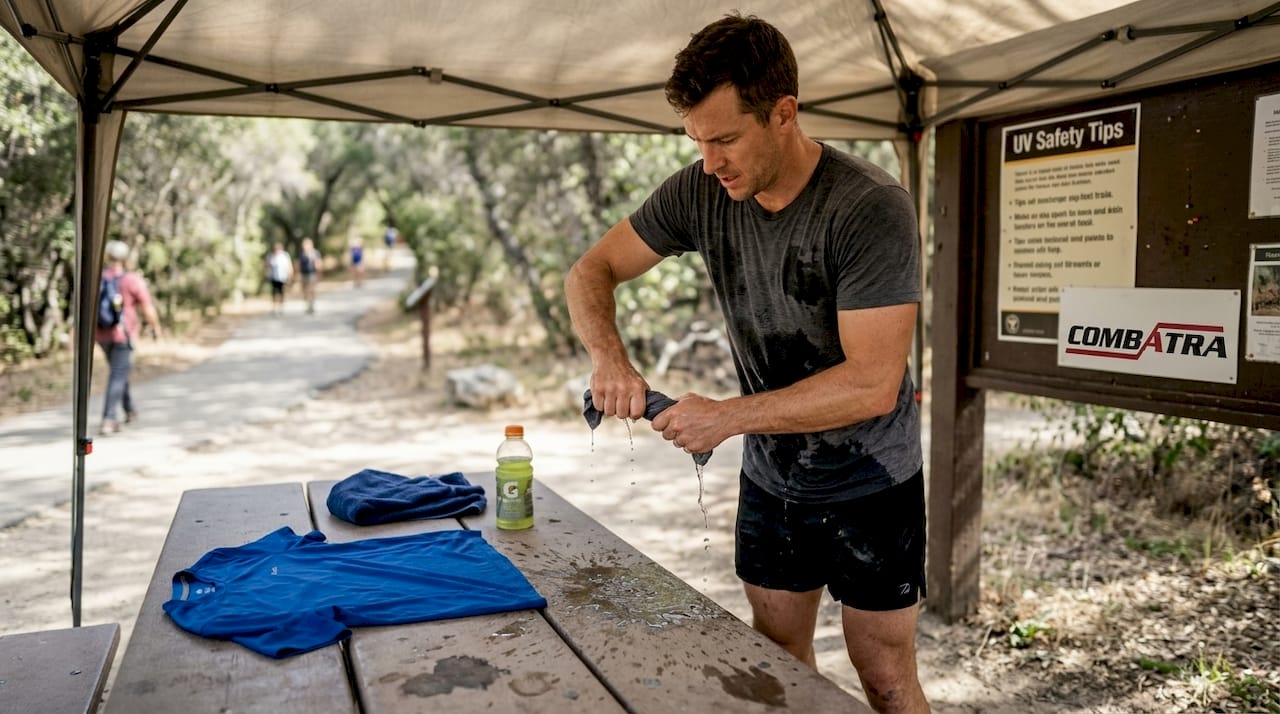
One factor that surprises many athletes is what happens when fabric gets wet. A soaked cotton shirt can lose up to 50% of its already limited UV protection. Synthetic fabrics hold their UPF rating much better when wet, which is why they are the preferred choice for water sports, long outdoor runs, and high-sweat training sessions.
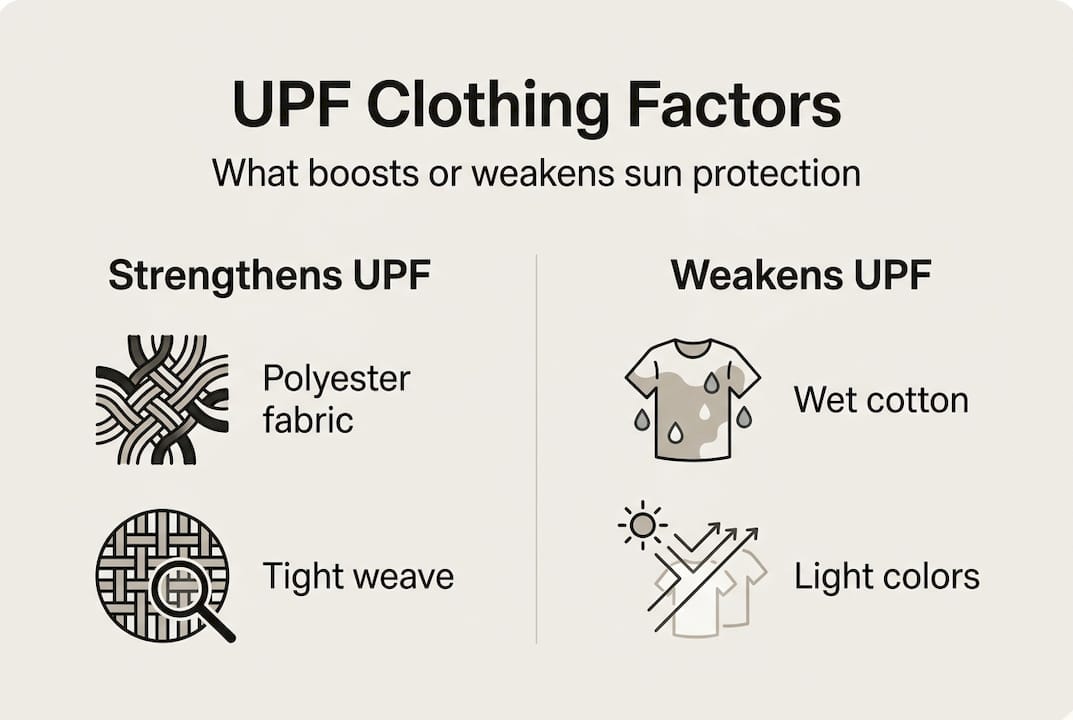
Material type, weave, color, and moisture level can all alter UPF dramatically, which is why a certified rating is more reliable than guessing based on appearance alone.
Pro Tip: If you train outdoors in humid or wet conditions, avoid cotton entirely. A certified polyester rash guard will maintain its UPF rating even after hours of sweating, giving you consistent protection throughout your session.
When comparing gear options, it is also worth understanding the difference between compression sleeves vs rashguards for outdoor training, since each offers different coverage and protection profiles depending on your sport.
UPF 50 in action: Benefits for combat sports and outdoor athletes
Knowing the science is useful, but what does UPF 50 clothing actually do for you during a real training session or competition?
The most immediate benefit is consistent, reliable coverage. Unlike sunscreen, which can sweat off, rub away during grappling, or simply be forgotten, UPF 50 clothing works continuously. You put it on, and it protects. There is no reapplication, no greasy residue, and no risk of it wearing off mid-session.
For grapplers, this is especially important. BJJ and MMA athletes who train outdoors or compete at outdoor events spend extended periods in close physical contact. Sunscreen transfers to training partners and mats, and it rarely survives a full sparring round intact. A UPF 50 rash guard eliminates that problem entirely for covered areas.
“Athletes in Brazilian Jiu-Jitsu, MMA, and cycling reported fewer sunburns and skin irritation when using UPF 50 gear, confirming that certified apparel delivers measurable real-world benefits.”
For endurance athletes like cyclists and runners, the cumulative exposure adds up fast. A three-hour ride or a long trail run can expose you to more UV radiation than a full beach day, especially at higher altitudes where the atmosphere filters less radiation. UPF 50 clothing reduces that load significantly, which has long-term implications for skin cancer risk and premature skin aging.
Real-world benefits of UPF 50 athletic gear:
-
Consistent protection that does not degrade during physical activity
-
No transfer to training partners or equipment
-
Covers large surface areas that sunscreen often misses
-
Reduces cumulative UV exposure during multi-hour sessions
-
Supports skin health for athletes training year-round outdoors
For martial artist sun protection, the combination of certified gear and smart habits creates a protection system that holds up under real training conditions, not just ideal ones.
The performance side also matters. High-quality UPF 50 fabrics are engineered for breathability and moisture management. You are not trading comfort for protection. The best gear keeps you cool, moves with your body, and protects your skin simultaneously.
How to select UPF 50 athletic wear that truly protects
Finding gear that genuinely delivers UPF 50 protection requires more than reading a label. Here is a practical guide to making the right choice.
Step-by-step checklist for choosing UPF 50 activewear:
-
Look for certified labels. Genuine UPF-rated gear will display a specific UPF number, not vague terms like “sun protective” or “UV-resistant.” Look for UPF 40+ or UPF 50+ on the tag or product listing.
-
Check the fabric composition. Polyester and nylon blends are your best options. Avoid cotton-dominant fabrics for outdoor training.
-
Assess the fit and coverage. A rash guard that rides up or gaps at the waist leaves skin exposed. Fitted, full-coverage designs protect more consistently.
-
Read the care instructions. Harsh detergents, bleach, and high-heat drying can degrade UPF coatings and fabric structure over time. Gentle washing in cold water extends the life of your gear’s protection.
-
Replace worn gear. Heavily stretched or thinned fabric loses protective density. If your rash guard is pilling, fading significantly, or feels much thinner than when new, its UPF rating may no longer be accurate.
Look for genuine UPF-certified labels and check garment care instructions to maintain protection across the life of the garment.
Pro Tip: Wash UPF gear inside out in cold water with a mild detergent. Skip the dryer when possible. This simple habit can significantly extend how long your gear maintains its certified protection level.
When to supplement with sunscreen:
-
Face, neck, and ears (usually uncovered by athletic gear)
-
Hands and feet during long outdoor sessions
-
Any area where clothing gaps or shifts during movement
If you want to stay cool and protected without relying entirely on sunscreen, certified UPF clothing is the most practical solution. And when you are ready to choose a UPF 50 rashguard that fits your sport, knowing what to look for makes the decision straightforward.
Why most athletes underestimate their sun exposure
Here is something we see consistently: athletes who are meticulous about nutrition, recovery, and technique often give almost no thought to sun protection. They train for years outdoors, accumulate thousands of hours of UV exposure, and only start paying attention after a dermatologist flags something concerning.
The problem is not laziness. It is that sun damage is invisible in the moment. You do not feel UV radiation the way you feel heat or fatigue. A two-hour outdoor BJJ session on a cloudy day can deliver a significant UV dose, because clouds block heat but not UV rays effectively.
Regular athletic wear gives many athletes a false sense of security. A shirt feels like coverage, but without a UPF rating, it may only be blocking a fraction of the radiation reaching your skin. Over years of training, that adds up to real cumulative damage.
Our honest advice: treat your gear as both armor and equipment. The same way you would not train BJJ in worn-out shoes or use a cracked mouthguard, you should not train outdoors in unrated clothing and assume you are protected. Choosing intelligent sun-safe gear is not a lifestyle choice. It is a performance and health decision that compounds over your entire athletic career.
Find your perfect UPF 50 gear for unbeatable sun protection
If you are ready to train smarter and protect your skin without compromising performance, Combatra has you covered.
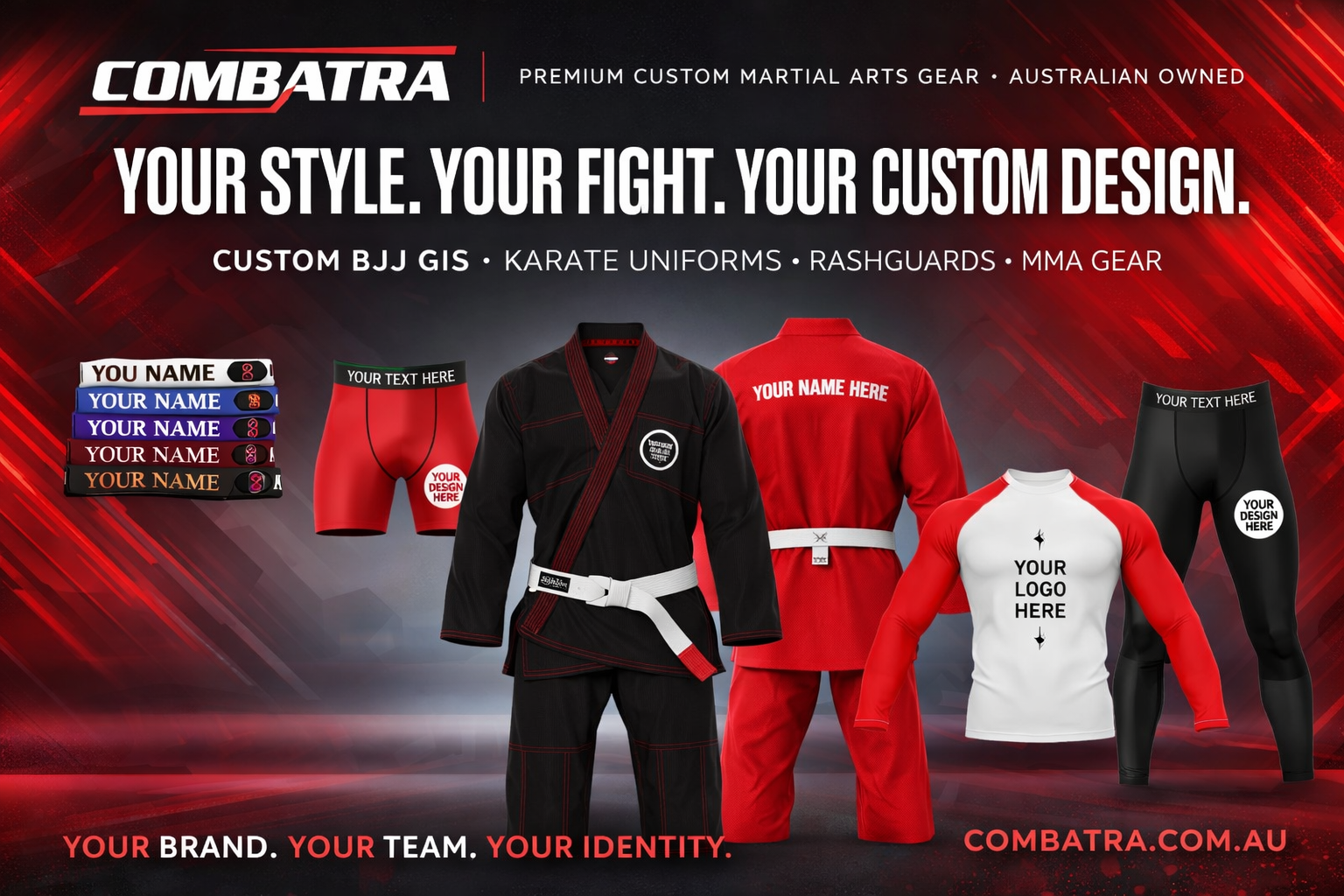
Combatra’s full range of UPF 50+ athletic apparel is built for real training conditions. From BJJ gi pants with UPF protection to a customizable UPF 50 rash guard you can personalize with your name, logo, or academy colors, every piece is engineered for movement, breathability, and certified sun defense. Whether you are rolling on an outdoor mat, logging miles on the bike, or running trails, Combatra gear delivers protection that holds up under real conditions. Explore the full line of UPF 50 athletic apparel and invest in gear that works as hard as you do.
Frequently asked questions
Is UPF 50 clothing really better than standard sportswear for sun protection?
Yes. UPF 50 clothing blocks 98% of UV radiation, which far exceeds the protection from regular fabrics that often rate as low as UPF 5 to 10.
Does UPF protection wash out or fade over time?
Most UPF apparel retains its rating through many washes, but proper care is critical to maintaining UPF ratings, so avoid harsh detergents, bleach, and high-heat drying.
Can I skip sunscreen if I wear UPF 50 clothing?
UPF 50 apparel protects covered areas reliably, but use sunscreen for exposed skin like your face, neck, and hands even when wearing UPF clothing.
What types of athletic clothing come with UPF 50 ratings?
UPF ratings apply to various sports clothing styles including rash guards, leggings, shirts, shorts, and hats when made with the proper material and construction.