
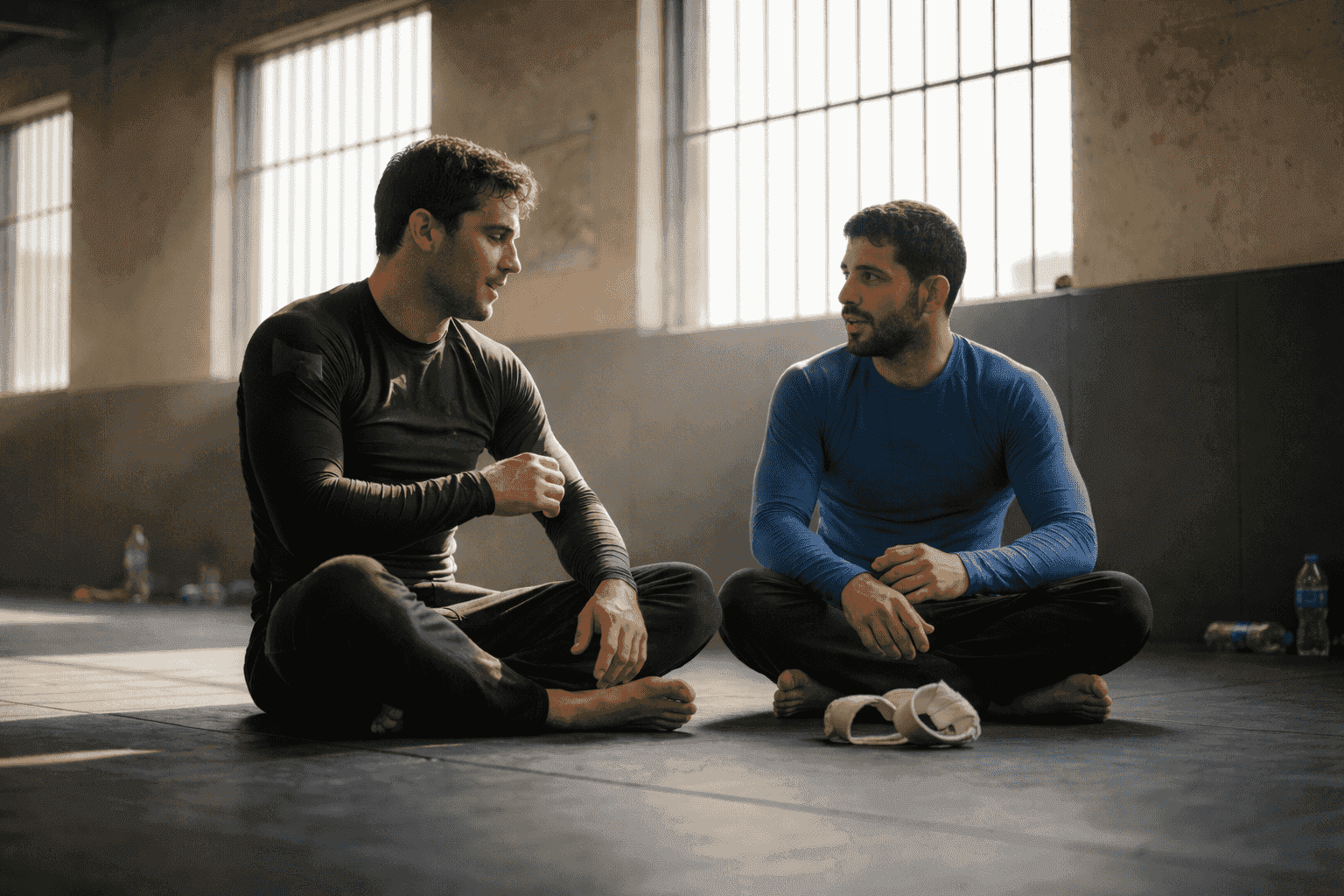
Finding a rashguard that meets the needs of Brazilian Jiu-Jitsu can feel confusing with so many options promising bold designs and performance claims. For athletes and competitors from every corner of the globe, the right rashguard does much more than look sharp—it delivers moisture-wicking protection that reduces skin infections, supports muscles, and helps regulate body temperature during the toughest training sessions. This guide helps BJJ practitioners cut through myths and discover how premium rashguards blend safety, performance, and customization in every roll.
Table of Contents
Key Takeaways
| Point | Details |
| Rashguards Enhance Performance | Rashguards are essential for preventing skin injuries, managing sweat, and providing muscle support during BJJ training and competitions. |
| Importance of Quality Materials | High-quality rashguards made from advanced fabrics offer moisture-wicking properties, durability, and strategic compression for optimal performance. |
| Regulations in Competition | All BJJ practitioners must adhere to specific rashguard requirements in competitions, including mandatory use in no-gi divisions and adherence to design guidelines. |
| Customization Matters | Personalizing rashguards not only enhances style but also fosters a sense of identity and team spirit for BJJ athletes. |
Rashguards in BJJ: Core Purpose and Myths
Brazilian Jiu-Jitsu athletes often misunderstand the critical role of rashguards beyond simple athletic wear. Performance gear represents more than aesthetic choice - it’s a strategic component that directly impacts training effectiveness and athlete protection.
Rashguards serve multiple essential functions in BJJ training and competition. Moisture-wicking protection prevents skin infections and regulates body temperature during intense grappling sessions. Their key advantages include:
-
Preventing skin abrasions and mat burns
-
Creating a hygienic barrier against bacterial transmission
-
Supporting muscle compression and movement efficiency
-
Reducing friction during ground techniques
-
Managing sweat and moisture effectively
Contrary to popular myths, rashguards are not merely fashion statements but sophisticated athletic equipment engineered for performance and safety. Modern rashguards incorporate advanced fabric technologies that provide compression, thermal regulation, and protection simultaneously.
Professional BJJ practitioners understand that quality rashguards can significantly impact training quality and injury prevention. The tight compression supports muscle groups, improves blood circulation, and helps reduce muscle fatigue during extended training sessions.
Pro tip: Invest in rashguards made from high-performance, moisture-wicking materials that offer both compression and breathability for optimal BJJ training experience.
Types of BJJ Rashguards and Key Features
BJJ practitioners have multiple rashguard options that cater to different training needs and preferences. Selecting the right rashguard requires understanding the various types and their unique characteristics.
Rashguards are typically categorized into three primary styles:
-
Short-sleeve rashguards: Ideal for standard training and competition, providing balanced coverage and mobility
-
Long-sleeve rashguards: Offering maximum skin protection and reduced friction during ground techniques
-
Compression rashguards: Engineered to support muscle groups and enhance blood circulation
Key features that distinguish high-quality BJJ rashguards include specialized fabric technologies and design elements. Performance materials like polyester-spandex blends provide excellent moisture management, durability, and stretch capabilities. The most advanced rashguards incorporate strategic design elements such as flatlock seams to minimize chafing and reinforced panels in high-stress areas.
When evaluating rashguards, athletes should consider factors beyond basic aesthetics. Compression levels, fabric weight, and thermal regulation capabilities play crucial roles in performance and comfort. Professional-grade rashguards often feature graduated compression zones that support different muscle groups and promote better blood flow during intense training sessions.
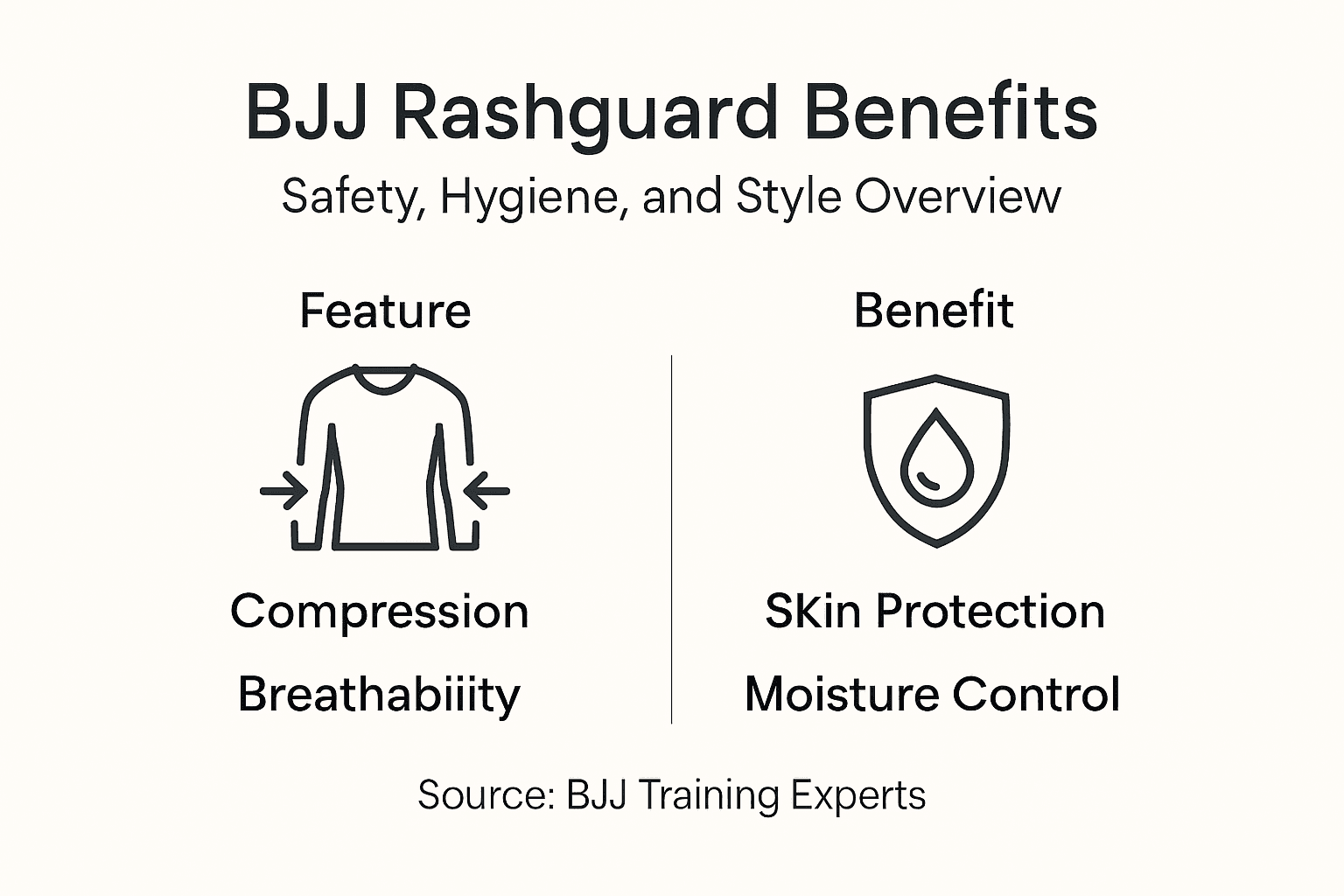
Here’s a quick guide to understanding common BJJ rashguard types:
| Rashguard Type | Main Benefit | Ideal Use |
| Short-sleeve | Enhanced mobility | Daily training |
| Long-sleeve | Maximum skin protection | Intense sparring |
| Compression | Muscle support | Competition prep |
Pro tip: Prioritize rashguards with moisture-wicking properties and strategic compression zones to maximize your training efficiency and comfort.
For deeper insight, here’s how top rashguard features affect BJJ performance:
| Feature | Athletic Impact | Long-Term Benefit |
| Flatlock seams | Reduces skin chafing | Decreases injury risk |
| Graduated compression | Supports blood flow | Minimizes muscle fatigue |
| Reinforced panels | Adds durability | Withstands tough training |
| Antimicrobial fabric | Limits bacterial growth | Promotes skin health |
How Rashguards Enhance Safety and Hygiene
Brazilian Jiu-Jitsu practitioners face unique challenges related to skin health and safety during training. Understanding rashguard performance benefits reveals their critical role in maintaining athlete wellness and preventing potential injuries.
Rashguards provide multiple safety and hygiene advantages for BJJ athletes:
-
Creating a protective barrier against skin-to-skin contact
-
Reducing risk of bacterial and fungal infections
-
Minimizing mat burn and skin abrasions
-
Preventing direct transmission of skin-related pathogens
-
Protecting against potential skin cuts and scrapes
Skin protection is the primary function of high-quality rashguards. The tight-fitting design acts as a crucial defensive layer, preventing direct skin contact during ground techniques and minimizing friction-related injuries. Advanced fabric technologies incorporate antimicrobial treatments that actively reduce bacterial growth and limit the potential spread of skin infections common in close-contact martial arts environments.
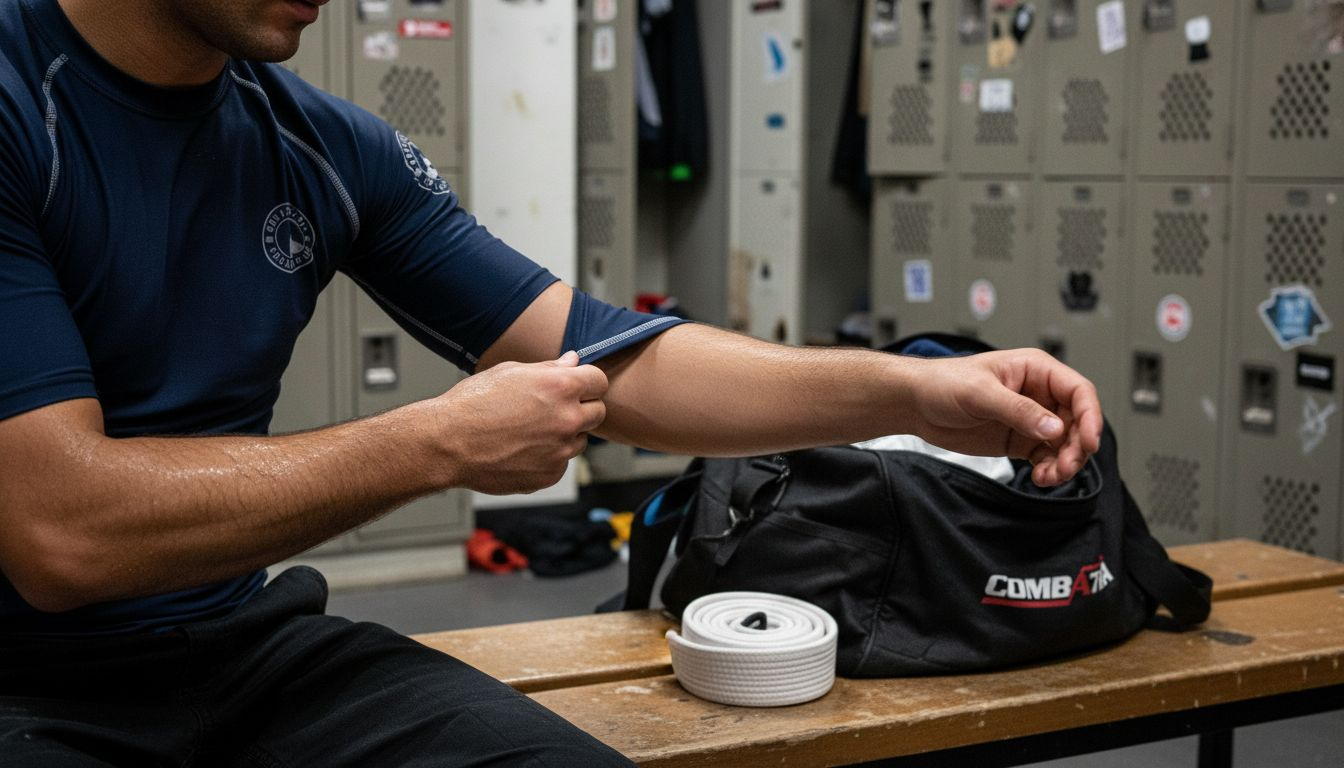
Compression features in modern rashguards offer additional safety benefits beyond basic protection. Strategic compression zones support muscle groups, improve blood circulation, and help reduce the risk of muscle strains during intense grappling sessions. By providing consistent muscle support and reducing unnecessary movement, rashguards contribute significantly to overall athlete safety and performance stability.
Pro tip: Always inspect your rashguard for wear and tear, and replace it immediately if you notice any signs of material degradation to maintain optimal protection.
Competition Rules and Use Cases Worldwide
International BJJ competition rules reveal complex and evolving uniform standards for rashguards across different tournaments and regions. The standardization of rashguard requirements represents a significant development in competitive Brazilian Jiu-Jitsu, emphasizing athlete safety and hygiene.
Global competition regulations for rashguards typically involve several key requirements:
-
Mandatory in no-gi divisions
-
Tight-fitting design without loose elements
-
Prohibited external attachments like zippers or buttons
-
Made from moisture-wicking materials
-
Consistent color and design guidelines
Competitive divisions demonstrate substantial variation in rashguard mandates. No-gi tournaments almost universally require rashguards, while gi competitions often treat them as optional under-gi clothing. Some international federations have specific color restrictions, ensuring uniformity and preventing visual distractions during matches. Regional tournaments might have slightly different interpretations, but the core principles of safety and professionalism remain consistent.
Competitive BJJ athletes must carefully review specific tournament guidelines, as requirements can differ between local, national, and international competitions. Professional tournaments typically enforce strict uniform standards that balance competitive fairness with athlete protection. These regulations continue to evolve, reflecting ongoing improvements in understanding athlete safety and performance needs.
Pro tip: Always review the specific uniform requirements for each competition at least two weeks before the event to ensure your rashguard meets all necessary guidelines.
Customization, Quality, and Buying Choices
BJJ rashguard selection involves understanding complex factors that impact performance, comfort, and personal expression. Selecting the right rashguard goes beyond simple aesthetic choices, requiring strategic consideration of technical specifications and individual training needs.
Key factors to evaluate when purchasing a rashguard include:
-
Fabric composition (polyester/spandex blends)
-
Compression level and muscle support
-
Moisture-wicking capabilities
-
Durability and stitch quality
-
Design flexibility and range of motion
-
Personal style and customization options
Performance materials represent the foundation of high-quality rashguards. Professional-grade options typically feature advanced fabric technologies that provide multiple benefits simultaneously. Polyester-spandex blends offer optimal stretch, moisture management, and durability, ensuring athletes can maintain consistent performance throughout intense training sessions. Antimicrobial treatments add an extra layer of hygiene protection, reducing bacterial growth and potential skin infections.
Customization has become increasingly important for BJJ practitioners seeking to express their individual identity. Modern rashguard manufacturers offer extensive personalization options, allowing athletes to select unique color schemes, add team logos, or incorporate personal design elements. These customization choices not only enhance personal style but also provide psychological benefits by creating a sense of individual identity and team representation.
Pro tip: Prioritize rashguards that balance technical performance with personal style, ensuring both functional excellence and individual expression.
Elevate Your BJJ Training with Premium Rashguards from Combatra
Understanding the vital role rashguards play in Brazilian Jiu-Jitsu is only the first step. Combatra addresses the core challenges highlighted in the article such as maintaining safety and hygiene, preventing skin infections, and maximizing training performance through superior compression and moisture-wicking fabrics. Our personalised rashguards are crafted with advanced materials to reduce friction, protect your skin during intense sparring, and enhance blood circulation to minimize muscle fatigue.
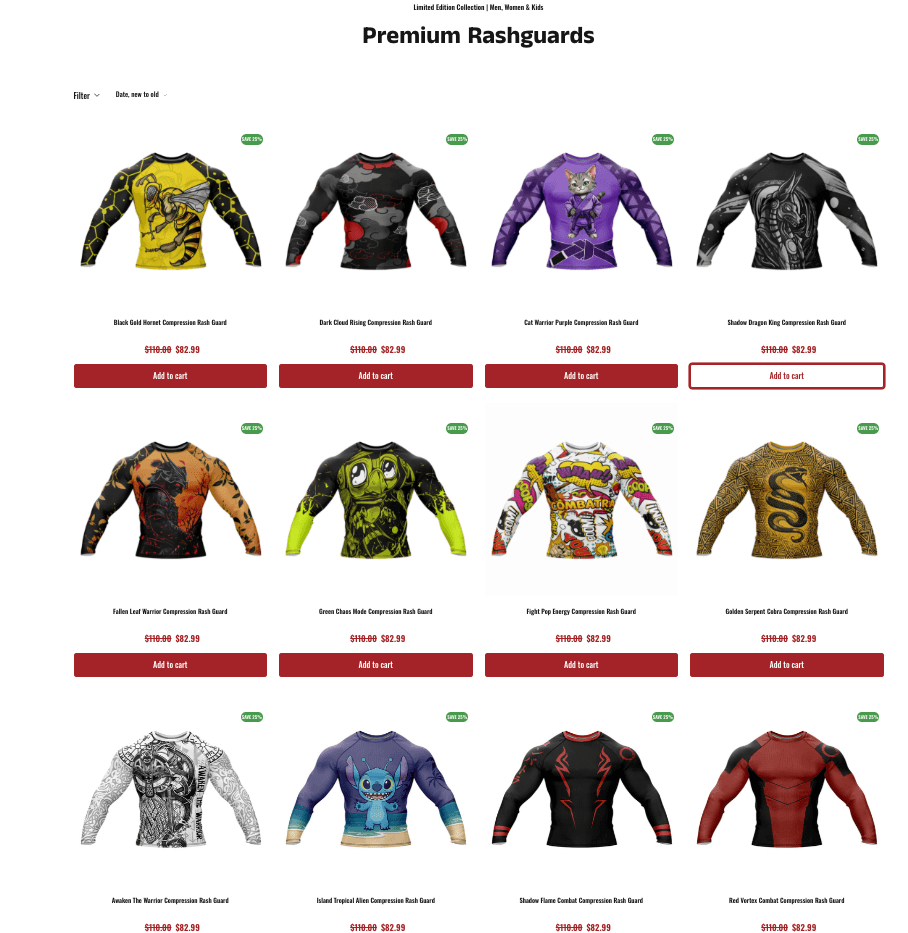
Explore our wide selection of custom-designed rashguards at Combatra where you can tailor your gear with your name, logo, and preferred colors for that perfect blend of style and protection. Don’t compromise on athlete wellness or comfort. Act now to secure your high-performance rashguard built for both training and competition. Visit Combatra’s official site and take your BJJ experience to the next level today.
Frequently Asked Questions
What are the primary functions of rashguards in BJJ?
Rashguards serve multiple essential functions, including preventing skin abrasions, providing a hygienic barrier against bacteria, supporting muscle compression, reducing friction, and managing moisture effectively during training and competition.
How do rashguards enhance safety and hygiene in Brazilian Jiu-Jitsu?
Rashguards create a protective barrier against skin-to-skin contact, reduce the risk of infections, minimize mat burns and abrasions, and help prevent the transmission of skin-related pathogens, contributing to overall athlete wellness.
What should I look for when choosing a BJJ rashguard?
When selecting a rashguard, consider factors such as fabric composition (preferably polyester-spandex blends), moisture-wicking capabilities, compression levels, durability, and strategic design elements to maximize comfort and performance.
Are different types of rashguards better for specific training scenarios?
Yes, short-sleeve rashguards are ideal for everyday training, long-sleeve rashguards provide maximum skin protection, and compression rashguards support muscle groups, making them suitable for competition prep and intense practices.