
TL;DR:
- The ideal sports bra for hot weather features moisture-wicking fabric, UPF 50+ sun protection, and ventilation design.
- Proper fitting, support level, and maintenance are crucial for durability and performance during outdoor training.
- Many market options prioritize aesthetics over function; choose high-performance, adjustable models for best results.
Training outdoors in Australian heat is demanding enough without your sports bra working against you. Overheating, chafing, and sunburn are real risks when your gear is not built for the conditions. The wrong sports bra traps heat, soaks through fast, and leaves you exposed to UV rays that cause real long-term skin damage. This guide is here to change that. We will walk you through the key features to look for, how to match a bra to your activity, practical care advice, and the mistakes that quietly shorten the life of your gear. Whether you run, train outdoors, or practise martial arts, this is your starting point.
Table of Contents
- What you need before buying: key features and materials
- Step-by-step: how to select your perfect bra for the heat
- Staying cool: airflow, ventilation, and sun safety
- Caring for your sports bra: maintenance, mistakes, and longevity
- The truth most brands won't tell you about sports bras for hot Australian training
- Shop high-performance sports bras for your hottest workouts
- Frequently asked questions
Key Takeaways
| Point | Details |
|---|---|
| Choose breathable fabrics | Moisture-wicking, quick-dry materials keep you cooler and drier during intense sessions. |
| Ensure the right support | Match support level to your bust size and activity to reduce movement and protect comfort. |
| Custom fit matters | Adjustable bands and straps mean lasting comfort and prevent painful chafing when you sweat. |
| Think sun protection | UPF 50+ fabrics prevent sunburn and add a safety layer for outdoor training. |
| Rotate and replace regularly | Switch between bras and replace them every 6-12 months to keep performance and hygiene high. |
What you need before buying: key features and materials
Now that you know why the right sports bra is essential for hot weather, let's look closely at exactly what makes one ideal for training in the heat.
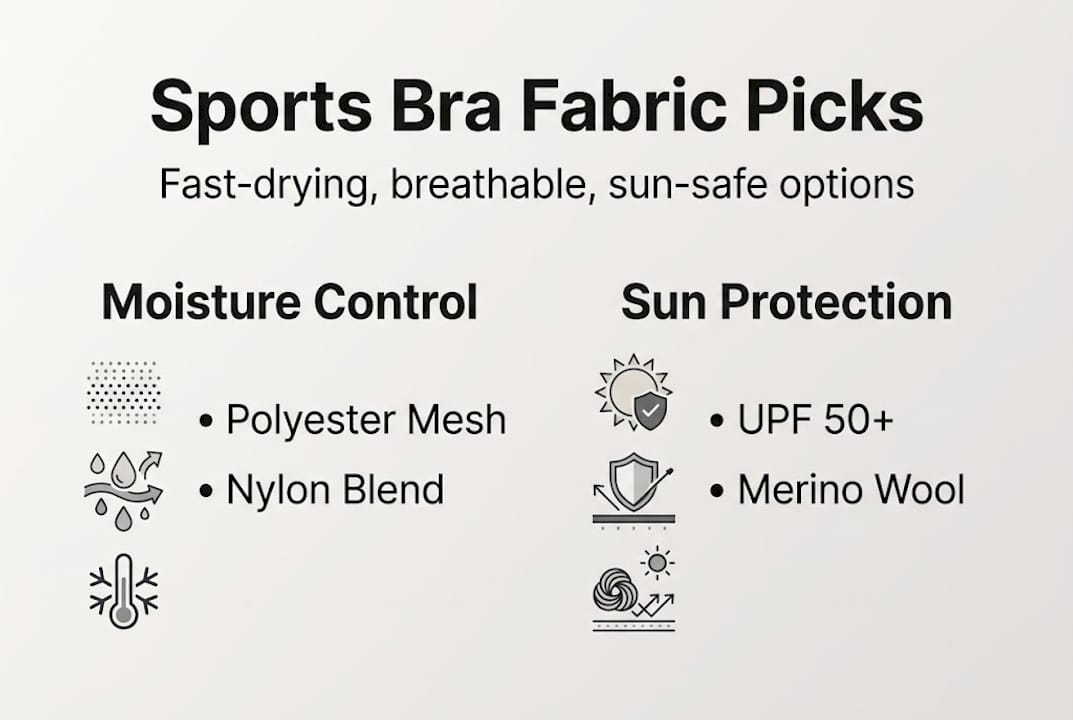
Fabric is the single most important factor. Moisture-wicking fabrics like nylon-spandex blends, polyester mesh, or merino wool pull sweat away from your skin and help it evaporate quickly. This keeps your core temperature lower and reduces the sticky, uncomfortable feeling that builds up during long sessions. Cotton is a firm no. It absorbs moisture and holds it, which makes heat worse and increases the risk of chafing and skin irritation.
Construction matters just as much as material. Seamless designs or flat-locked seams (stitching that lies flat against the skin) eliminate friction points that become painful during repetitive movement. Raised seams might look fine in the change room but become unbearable on a 35-degree run.
Design details that improve airflow include mesh panels in the cup lining and underband, open-back cuts, and strappy configurations that allow heat to escape from the upper back and shoulders. These are not just aesthetic choices. They create real ventilation pathways.
For outdoor training, UPF 50+ rated fabrics are essential. UPF stands for Ultraviolet Protection Factor, and a rating of 50+ means the fabric blocks over 98% of UV radiation. Brands like Coolibar and Arctic Cool have built bras around this spec, with cooling performance materials that serve double duty for comfort and sun safety.
| Feature | Ideal choice | Avoid |
|---|---|---|
| Fabric | Nylon-spandex, polyester mesh | Cotton, modal blends |
| Seams | Flat-locked or seamless | Raised or thick seam lines |
| Back design | Open-back, strappy, keyhole | Fully closed back with no mesh |
| Sun protection | UPF 50+ rated | Unrated or sheer fabrics |
| Support structure | Wire-free with moulded cups | Underwire in high heat |
Key features to prioritise:
- Moisture-wicking and quick-drying fabric
- Flat-locked or seamless construction
- Mesh panels for targeted ventilation
- UPF 50+ sun protection rating
- Wire-free design to reduce heat build-up
Pro Tip: Prioritise bras with mesh in the underband and cup lining, not just the back panel. That is where body heat and sweat concentrate most during exercise.
Step-by-step: how to select your perfect bra for the heat
With priorities for cool and protected workouts clear, here's a practical step-by-step process for making your selection.
1. Assess your activity intensity. Low-impact movement like yoga or walking needs less support than running, HIIT, or martial arts. Matching your bra to your actual training intensity is the foundation of a good choice.
2. Consider your bust size and support type. For medium to high-impact activity, encapsulation bras offer superior bounce reduction compared to compression bras. Compression bras press everything together, which works for smaller busts and lower-impact sessions. Encapsulation bras surround each breast individually with a moulded cup, offering better shape retention and movement control.
3. Know when encapsulation is non-negotiable. If you are a D cup or above, compression alone is rarely enough for high-impact activity. Encapsulation or a hybrid design gives you the structure you need without the discomfort of underwire in heat.
4. Check adjustability. Straps and bands that adjust let you fine-tune the fit as your body changes through training cycles, weight shifts, or seasonal swelling from heat. Racerback and cross-back straps distribute load more evenly across your shoulders.
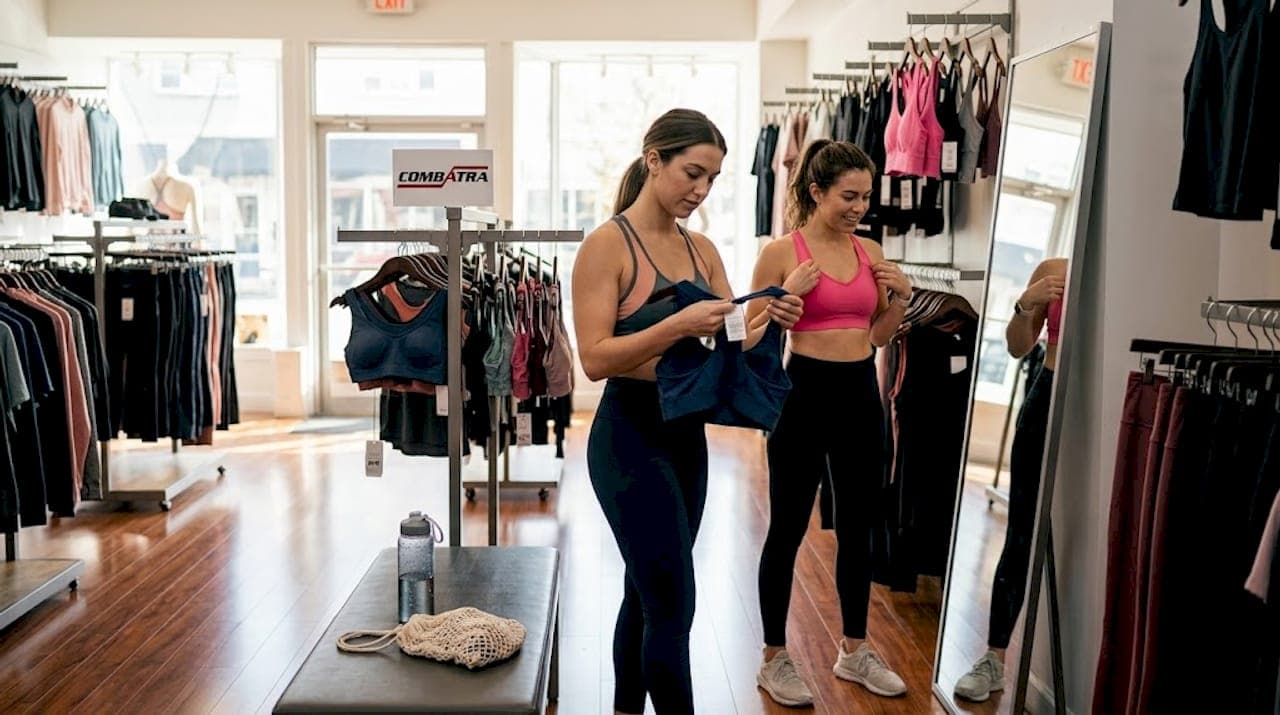
5. Try it on properly. Jump, jog on the spot, and lean forward. The bra should stay in position without riding up or cutting in. Browse open-back and strappy bra designs for options that combine great ventilation with adjustable fit. Explore the range of types of sports bras to find the right structure for your body and training style.
| Bra type | Best for | Key benefit |
|---|---|---|
| Compression | Low to medium impact, smaller busts | Simplicity, lightweight |
| Encapsulation | High impact, larger busts | Bounce control, shape |
| Hybrid | High impact, all bust sizes | Support plus structure |
Pro Tip: The underband should provide around 80% of your support. It should sit level and parallel to the ground across your back, not ride up. If it shifts, go down a band size.
Staying cool: airflow, ventilation, and sun safety
Once you've identified the right level of support and fit, zero in on the smart design choices that keep you cool and protected outdoors.
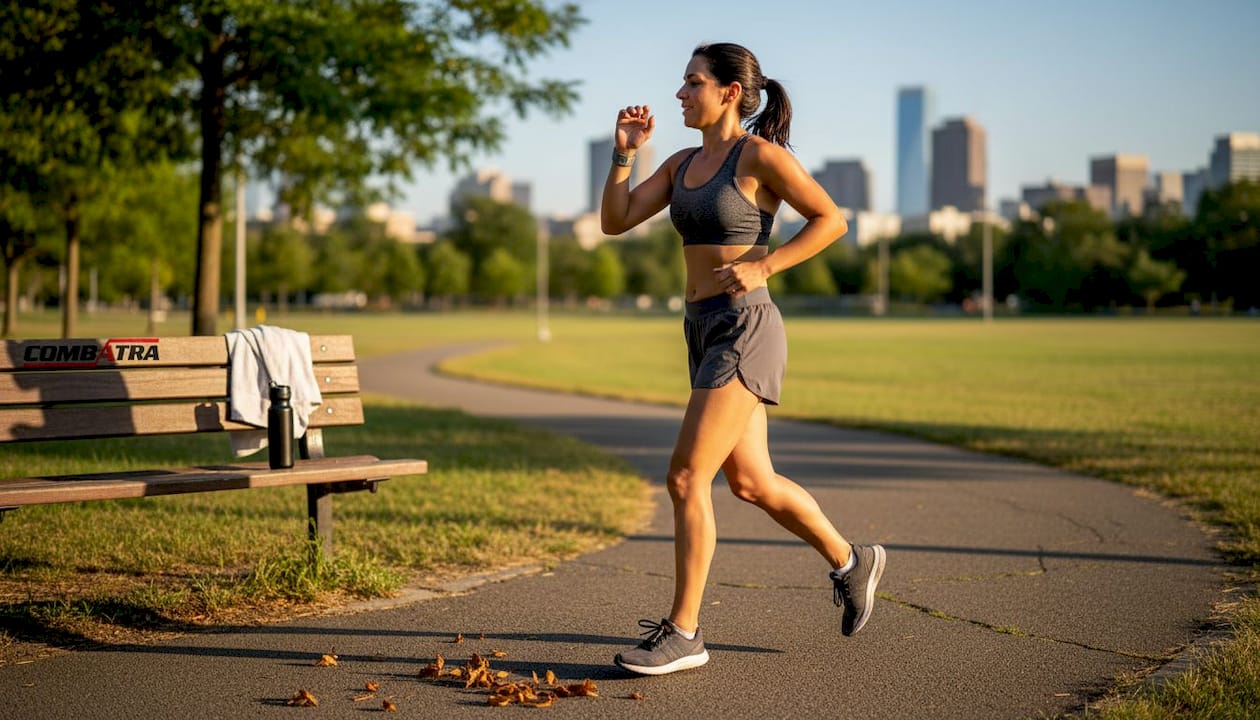
Airflow is not an accident in good sports bra design. It is engineered. Mesh panels in the cups, underband, and back panel create zones where hot air escapes and cooler air circulates. Wire-free construction prevents heat from being trapped along the underwire channel, which is one of the most common sources of heat rash in summer.
Best airflow features to look for:
- Perforated or mesh cup lining
- Keyhole or open-back panel
- Strappy back design with ventilation gaps
- Underband with moisture channels
- Lightweight, thin-profile shoulder straps
Here is something worth knowing: high-support bras can reduce breast movement by up to 81% and improve running economy by around 7%. That is a meaningful performance gain, not just a comfort consideration.
For sun safety, UPF 50+ fabric is your best layer of protection during outdoor sessions. Brands like Coolibar and Arctic Cool have made this a core product feature rather than an afterthought. Understanding UV protection activewear helps you make smarter choices beyond just the sports bra itself.
| Feature | Cooling benefit | UV protection |
|---|---|---|
| Mesh panels | High airflow, sweat evaporation | Low (unrated mesh) |
| UPF 50+ fabric | Moderate cooling | Blocks 98%+ UV |
| Open-back design | Excellent ventilation | Minimal |
| UPF 50+ mesh combo | High airflow and cooling | Strong protection |
If you want to understand why UPF beats sunscreen for training in direct sun, the short answer is consistency. Fabric does not sweat off or need reapplying mid-session.
Caring for your sports bra: maintenance, mistakes, and longevity
Even the best sports bra needs proper care to keep delivering on fit, comfort, and performance year-round.
How to care for your sports bra:
- Wash after every wear. Sweat breaks down elastic fibres quickly. Do not let a worn bra sit unwashed.
- Use cold water and a gentle detergent. Hot water degrades spandex and lycra faster than almost anything else.
- Hand wash where possible. If machine washing, use a mesh laundry bag on a delicate cycle.
- Never put it in the dryer. Heat from machine drying destroys elastic and ruins the shape of moulded cups.
- Store flat or hanging. Folding moulded cups inside each other distorts their shape over time.
"Air-dry to preserve elasticity." This is not just good practice. Elastic fibres in sports bras are what provide support. Once they break down, no amount of tightening the straps will restore function.
Replace your bra every 6 to 12 months or after 30 to 50 washes for consistent support and hygiene. If you train five or more times per week, that replacement cycle will lean closer to the shorter end.
Common mistakes that shorten bra life:
- Washing in hot water
- Machine drying on any heat setting
- Wearing the same bra every session without rotating
- Using fabric softener, which coats fibres and reduces moisture-wicking
- Ignoring common fabric mistakes that silently degrade performance
Pro Tip: Rotate at least two sports bras. This gives each one time to recover its shape between sessions and significantly extends how long both will last before needing replacement.
The truth most brands won't tell you about sports bras for hot Australian training
With the basics covered, here's a genuine look at what matters most from an Australian performance perspective.
Most sports bras on the Australian market are designed for aesthetics first. The mesh is often decorative rather than functional, the UPF rating is absent or buried in fine print, and the fit is built around a narrow range of body shapes. We see this regularly in how women describe their gear failing them once temperatures climb above 30 degrees.
A perfectly fitting bra with solid moisture-wicking and genuine UPF 50+ protection will outperform a trendy design every single time in real conditions. Adjustability matters more than appearance. The ability to fine-tune band tension and strap length means the bra works for your body, not a generic template.
Body diversity is also underserved. Most labels still cluster fit options tightly, which means women with larger busts or broader torsos are often buying a compromise. Regular try-ons, rather than relying on brand sizing alone, are the only reliable way to find a bra that genuinely holds up through a full outdoor session. Explore true high-performance sports bras built around function, not fashion.
Shop high-performance sports bras for your hottest workouts
Ready to take the next step for your comfort, safety, and performance?
At Combatra, our sports bras are built for the Australian climate. Every design prioritises breathability, UPF 50+ sun protection, and support that holds through long, intense sessions outdoors. Whether you are training on the mat, running beach trails, or working in the sun, we have options that perform in real heat.
Browse our full sports bra collection to find the right level of support, ventilation, and sun protection for your training style. If you want a proven performer, the Combatra Ultimate Comfort Sports Bra combines UPF-rated fabric with a design built for movement and durability. Your next outdoor session deserves gear that works as hard as you do.
Frequently asked questions
What fabric is best for a sports bra in hot weather?
Moisture-wicking fabrics like nylon-spandex blends, polyester mesh, or merino wool are the best choices for managing sweat and staying cool during hot-weather training. Cotton should be avoided as it traps moisture against the skin.
How tight should the bra band be for high-impact exercise?
The underband should sit firmly and level across your back, providing most of the bra's support without restricting your breathing. If it shifts upward during movement, size down in the band according to the Ultimate Sports Bra Guide.
How often should you replace a sports bra you wear weekly?
Sports bras should be replaced every 6 to 12 months or after 30 to 50 washes to maintain proper support and hygiene, particularly if worn multiple times per week.
Are underwires good or bad for hot weather bras?
Underwires tend to trap heat and sweat, which can cause irritation during outdoor training in warm conditions. Wire-free bras are generally the better option for hot weather, with encapsulation designs offering structured support without the discomfort of underwire.