
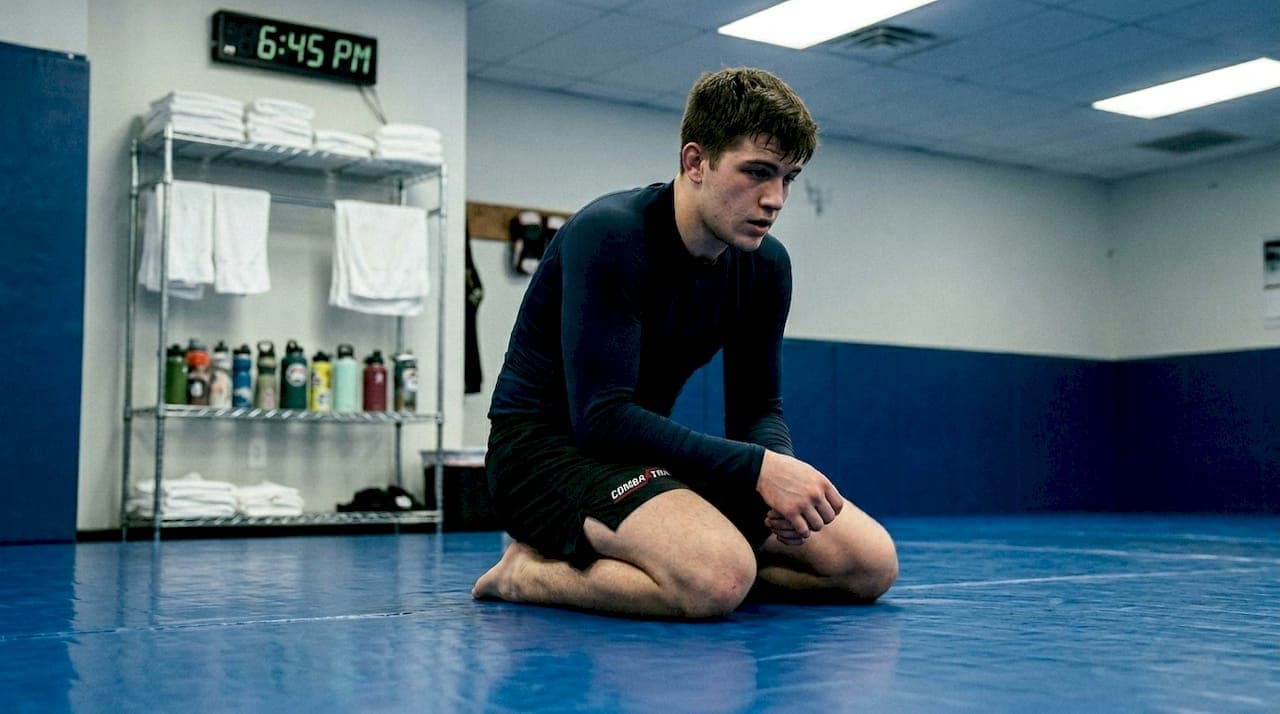
You've probably heard training partners claim that long sleeve rashguards turn every roll into a sauna session. This widespread belief stops many BJJ practitioners from choosing full coverage, despite the hygiene and protection benefits. But does the science actually support this overheating concern, or is it more about fabric choice and personal preference? Let's examine what really affects comfort during intense grappling sessions and how to make smart gear decisions that keep you protected without compromising performance.
Table of Contents
- Key takeaways
- Understanding overheating concerns in BJJ rashguards
- How fabric and design affect heat and comfort
- Balancing protection and heat: choosing the right rashguard
- Get your custom BJJ gear at Combatra
- Frequently asked questions about long sleeve rashguards and heat
Key Takeaways
| Point | Details |
|---|---|
| No universal overheating | Modern compression technology and fabric design, not sleeve length, determine comfort, so long sleeve rashguards can be comfortable with proper material and construction. |
| Hygiene and protection | Full coverage helps prevent skin infections and mat burns during grappling. |
| Fabric design matters | Polyester and spandex blends with moisture-wicking move sweat to the outside for quick evaporation and cooler wear. |
| Fit and ventilation | Ideal fit follows body contours without pressure points, and strategic paneling and ventilation panels improve airflow and cooling. |
Understanding overheating concerns in BJJ rashguards
Many BJJ athletes avoid long sleeve rashguards because they assume extra fabric automatically means extra heat. This concern stems from early compression gear that prioritized tight fit over breathability, creating uncomfortable training experiences. The fear intensified as practitioners shared stories of feeling trapped in sweat-soaked sleeves during intense rolling sessions.
Several factors contribute to actual heat buildup during training:
- Fabric composition and thickness directly impact ventilation
- Overly tight fits restrict airflow between skin and material
- High humidity gyms amplify perceived temperature
- Training intensity and personal metabolism affect heat generation
- Poor moisture management traps sweat against skin
Here's the surprising truth: no evidence supports universal overheating caused by long sleeve rashguards. Modern compression technology has evolved dramatically, with manufacturers designing specifically for heat management in combat sports. The difference between uncomfortable and comfortable long sleeve wear comes down to material selection and construction quality, not sleeve length itself.
The protection and hygiene benefits of full coverage often outweigh minor temperature differences. Long sleeves create a barrier against staph, ringworm, and other skin infections that spread rapidly in close-contact environments. They also prevent mat burns on forearms and elbows during scrambles and transitions. Understanding the essential role rashguards play in BJJ safety helps frame the heat question properly.
Pro Tip: Test your current rashguard's breathability by holding it up to light. Quality moisture-wicking fabric shows tiny light points where air can circulate, while cheap material blocks light completely.
How fabric and design affect heat and comfort
The material composition of your rashguard determines whether you stay cool or feel like you're wrapped in plastic. Modern performance fabrics use polyester and spandex blends engineered specifically for athletic temperature regulation. These moisture-wicking materials pull sweat away from skin to the fabric's outer surface, where it evaporates quickly instead of creating a humid microclimate against your body.
Here's how different design elements impact your comfort:
- Mesh panels under arms and along sides create ventilation zones
- Flatlock stitching reduces bulk and improves air circulation
- Four-way stretch fabric moves with you without restricting movement
- Antimicrobial treatments prevent bacterial growth that causes odor
- Sublimation printing maintains breathability better than screen printing
| Fabric Feature | Heat Impact | Comfort Benefit |
|---|---|---|
| Polyester/spandex blend | Low heat retention | Quick-drying, lightweight feel |
| Mesh ventilation panels | Enhanced airflow | Targeted cooling in high-sweat zones |
| Compression fit | Minimal if sized correctly | Muscle support without restriction |
| Antimicrobial coating | Neutral | Prevents odor buildup during training |
| Flatlock seams | Reduced friction heat | Eliminates chafing and irritation |
Fit plays an equally critical role in temperature management. A rashguard that's too tight compresses fabric against skin, eliminating the thin air layer that aids cooling. Conversely, loose fabric bunches during movement, creating friction that generates heat. The ideal fit follows your body contours closely without creating pressure points or restricting breathing.
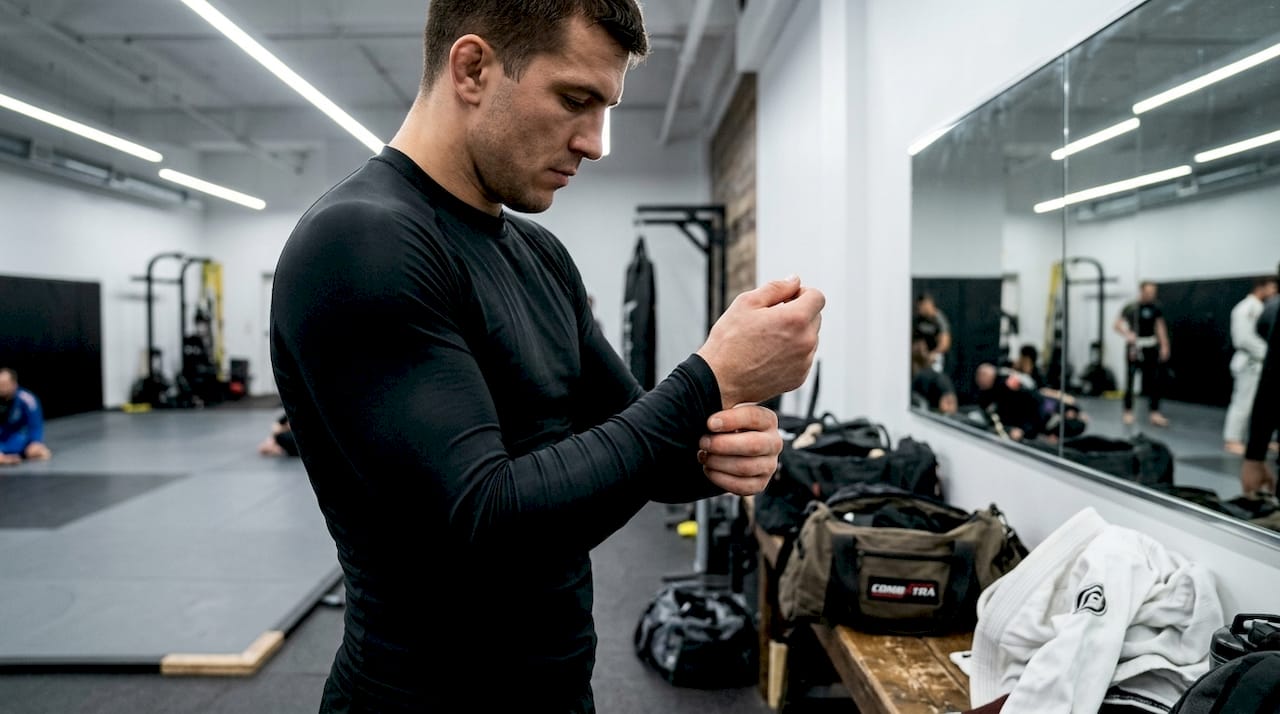
When selecting the right rashguard, consider how construction details affect performance. Premium rashguards feature strategic paneling that places stretchy, breathable fabric in high-movement areas while using slightly heavier material for durability in friction zones. This engineering approach balances protection with ventilation far better than single-panel budget options.
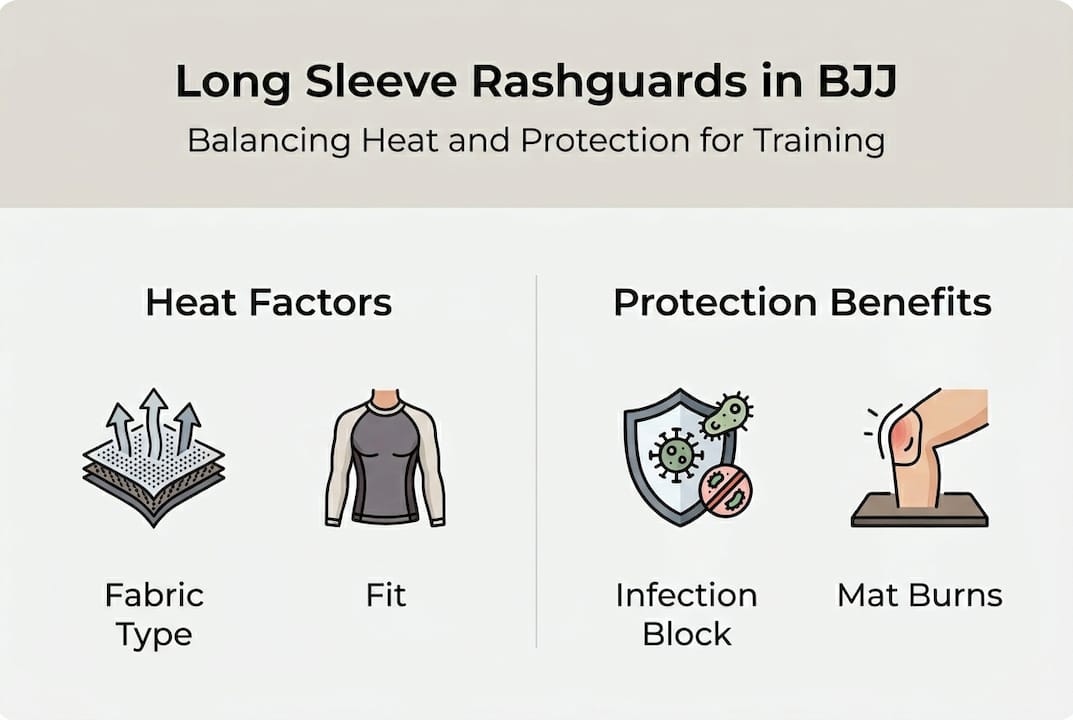
The relationship between rashguard design and infection prevention demonstrates why BJJ athletes prioritize full coverage. Modern fabrics achieve both goals simultaneously, proving you don't need to sacrifice comfort for safety. Understanding why athletes choose rashguards over cotton shirts reveals how performance technology has eliminated the old heat versus protection tradeoff.
Pro Tip: Wash your rashguard in cold water immediately after training to preserve moisture-wicking properties. Hot water and fabric softener break down the technical fibers that manage heat.
Balancing protection and heat: choosing the right rashguard
Deciding between long and short sleeves requires evaluating your specific training environment and personal heat tolerance. Long sleeves excel in air-conditioned gyms where temperature control is consistent, while short sleeves might feel better in humid, poorly ventilated spaces. However, prioritizing protection and hygiene makes long sleeves the smarter choice unless heat becomes genuinely problematic.
| Factor | Long Sleeve Advantage | Short Sleeve Advantage |
|---|---|---|
| Skin protection | Full arm coverage prevents mat burns | More exposed skin for cooling |
| Infection prevention | Maximum barrier against pathogens | Easier to inspect skin for issues |
| Heat management | Modern fabrics minimize difference | Slightly cooler in extreme heat |
| Versatility | Works year-round in most gyms | Better for outdoor summer training |
| Professional appearance | Tournament standard | Casual training acceptable |
Follow this selection process to find your ideal rashguard:
- Assess your gym's climate control and typical training temperature
- Evaluate your personal heat sensitivity during intense rolling
- Check fabric composition for polyester/spandex moisture-wicking blends
- Look for mesh panels or ventilation features in high-sweat areas
- Test the fit by mimicking guard passes and movements in the store
- Read reviews from BJJ practitioners about heat comfort specifically
- Start with one quality long sleeve to compare against your current gear
Many athletes discover their overheating concerns were actually caused by poor-quality fabric rather than sleeve length. Cheap rashguards use thick, non-breathable material that would feel hot regardless of coverage. Investing in technical athletic fabric transforms the wearing experience entirely.
Layering strategy matters too. Some practitioners wear a thin long sleeve rashguard under their gi, providing hygiene protection while the gi jacket handles most friction. This approach works especially well for no-gi specialists transitioning to gi training who want familiar comfort. Understanding key BJJ apparel terminology helps you evaluate product descriptions and make informed purchases.
The variety of BJJ attire options available means you can customize your setup for different training scenarios. Keep both long and short sleeve rashguards in rotation, choosing based on that day's planned intensity and gym conditions. This flexibility ensures you're always comfortable while maintaining maximum protection.
Pro Tip: Schedule your first long sleeve rashguard test during a moderate-intensity drilling session, not competition sparring. This gives you an honest assessment of comfort without the adrenaline factor skewing your perception.
Get your custom BJJ gear at Combatra
Finding the perfect balance between protection and comfort becomes easier when you work with gear designed specifically for BJJ athletes. Combatra specializes in customizable rashguards that prioritize moisture-wicking fabrics and strategic ventilation, ensuring you stay cool during the most intense training sessions. Our custom rashguard compression tops feature premium polyester-spandex blends engineered for temperature regulation without sacrificing durability.

Beyond rashguards, our customizable MMA fight shorts and hand-printed sports bras complete your training kit with the same attention to breathability and performance. Every piece can be personalized with your academy colors, name, or unique designs, creating gear that performs as well as it looks. When you invest in quality BJJ apparel built for Australian training conditions, overheating concerns become a thing of the past.
Frequently asked questions about long sleeve rashguards and heat
Why do some athletes feel hotter in long sleeve rashguards?
The sensation of excess heat usually comes from poor fabric quality rather than sleeve length itself. Cheap rashguards use thick, non-breathable materials that trap heat and moisture against skin. Athletes who switch to technical moisture-wicking fabrics typically notice minimal temperature difference between long and short sleeves during training.
Are there occasions when short sleeves are better for heat management?
Short sleeves make sense for outdoor training in direct sunlight or in gyms without air conditioning during summer months. If your facility consistently exceeds 85 degrees Fahrenheit with high humidity, the extra exposed skin can provide meaningful cooling. However, most climate-controlled gyms don't create conditions where sleeve length significantly impacts comfort.
What fabrics are best to avoid overheating while maintaining protection?
Look for polyester and spandex blends specifically marketed as moisture-wicking or quick-dry. These technical fabrics pull sweat away from your body and dry rapidly, preventing the humid microclimate that causes overheating sensations. Mesh ventilation panels under arms and along sides further enhance airflow without compromising coverage or durability.
Does wearing a long sleeve rashguard improve hygiene?
Absolutely. Full arm coverage creates a protective barrier against staph, ringworm, and other skin infections that spread through mat contact. The fabric prevents direct skin-to-skin contact with training partners and contaminated surfaces. This hygiene benefit alone justifies choosing long sleeves, especially since modern fabrics manage heat effectively without causing discomfort.
Can proper fit reduce discomfort related to heat?
Proper sizing dramatically affects temperature perception during training. A rashguard that's too tight compresses fabric against skin, eliminating airflow and creating pressure that feels hot. Too loose causes bunching and friction that generates heat. Following the manufacturer's sizing recommendations ensures the compression level that provides muscle support while maintaining the thin air layer necessary for cooling.