
TL;DR:
UV clothing is specifically engineered to block ultraviolet rays, with UPF ratings indicating protection levels.
Actual UV protection during activity drops due to stretching, wetting, and repeated washing.
Combining UPF clothing with sunscreen provides the most reliable protection for outdoor athletes.
Most athletes assume that pulling on a training shirt means their skin is covered. It feels logical. But standard training wear often leaves athletes exposed to harmful UV rays despite sweat and movement. The reality is that not all fabrics are created equal, and the difference between ordinary athletic wear and purpose-built UV clothing comes down to engineering, not just coverage. This guide walks you through exactly how UV clothing works, what the science says about real-world performance, and how to choose and care for gear that genuinely protects you during training, competition, and outdoor work.
Table of Contents
-
How UV performance clothing fares under real-world conditions
-
Comparing UV clothing and sunscreen for athletes and outdoor sports
-
Selecting and caring for UV clothing: best practices for athletes
-
The overlooked truths about UV clothing every athlete should know
Key Takeaways
| Point | Details |
|---|---|
| UPF clothing science | Special fabrics, colours, and treatments physically and chemically block most harmful UV rays. |
| Real-world effectiveness | Sweat, stretching, and washing can lower UV protection, so inspect and replace gear as needed. |
| Best protection tips | Choose tested UPF 50+ athletic wear and use sunscreen on any exposed skin for complete coverage. |
| Athlete-specific advice | Polyester blends and dark, tight-fitting clothing perform best in demanding training and outdoor conditions. |
What is UV clothing and how does it protect you?
UV clothing is apparel specifically engineered to block ultraviolet radiation from reaching your skin. The key rating system is UPF, which stands for Ultraviolet Protection Factor. UPF measures how much UV radiation a fabric allows through. A UPF 50+ garment blocks 98% of UV rays, letting through just 2%. Ordinary athletic wear, by contrast, may offer a UPF of only 5 to 15, meaning far more radiation reaches your skin.
So what actually makes a fabric UV-protective? UV clothing combines tight weave density, UV-absorbing synthetic fibres, and chemical additives like titanium dioxide to block, reflect, or absorb ultraviolet rays. These three mechanisms work together:
-
Weave density: Tighter weaves leave smaller gaps between fibres, physically blocking more UV photons.
-
Fibre type: Synthetic fibres like polyester and nylon absorb UV more effectively than natural fibres like cotton or linen.
-
Chemical additives: Treatments such as titanium dioxide or zinc oxide are embedded into the fabric to absorb or scatter UV rays before they penetrate.
UPF ratings are determined through laboratory testing, where fabric samples are exposed to a UV source and the transmitted radiation is measured. The result tells you the fabric’s protection level under controlled, static conditions. For UPF 50+ clothing explained in full, including how ratings translate to real sun exposure, it helps to understand that the number reflects a ratio, not a percentage of blocked rays alone.
| UPF rating | UV blocked | UV transmitted |
|---|---|---|
| UPF 15 | 93.3% | 6.7% |
| UPF 30 | 96.7% | 3.3% |
| UPF 50+ | 98%+ | 2% or less |
When choosing UV arm sleeves or any UV garment, look for the UPF 50+ label alongside fibre composition details.
Pro Tip: Polyester blends in darker colours provide the best UV protection in active settings. Dark fabrics absorb more UV, and polyester retains its protective properties better than cotton when wet or stretched.
How UV performance clothing fares under real-world conditions
Understanding the theory is one thing, but what happens in practice when you’re grappling, running, or cycling under the sun? The answer might surprise you.
Laboratory UPF ratings are measured on dry, flat, unstretched fabric. Real training looks nothing like that. You sweat, you stretch, you move constantly. Each of these factors changes how much UV actually reaches your skin.
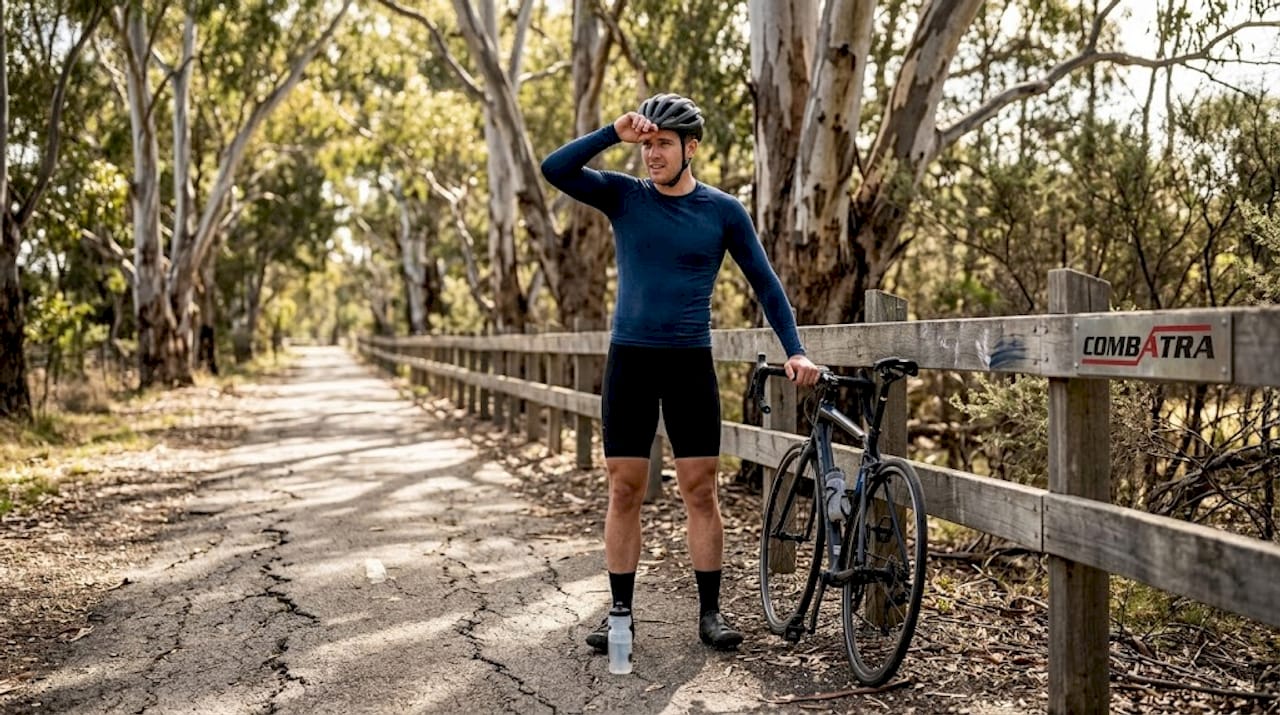
UPF ratings may drop from 50+ to 30 after 20% stretch, and wetting reduces cotton’s UV protection more than synthetics. That’s a significant gap between what the label says and what you’re actually getting mid-session.
Here’s how the main variables affect protection:
-
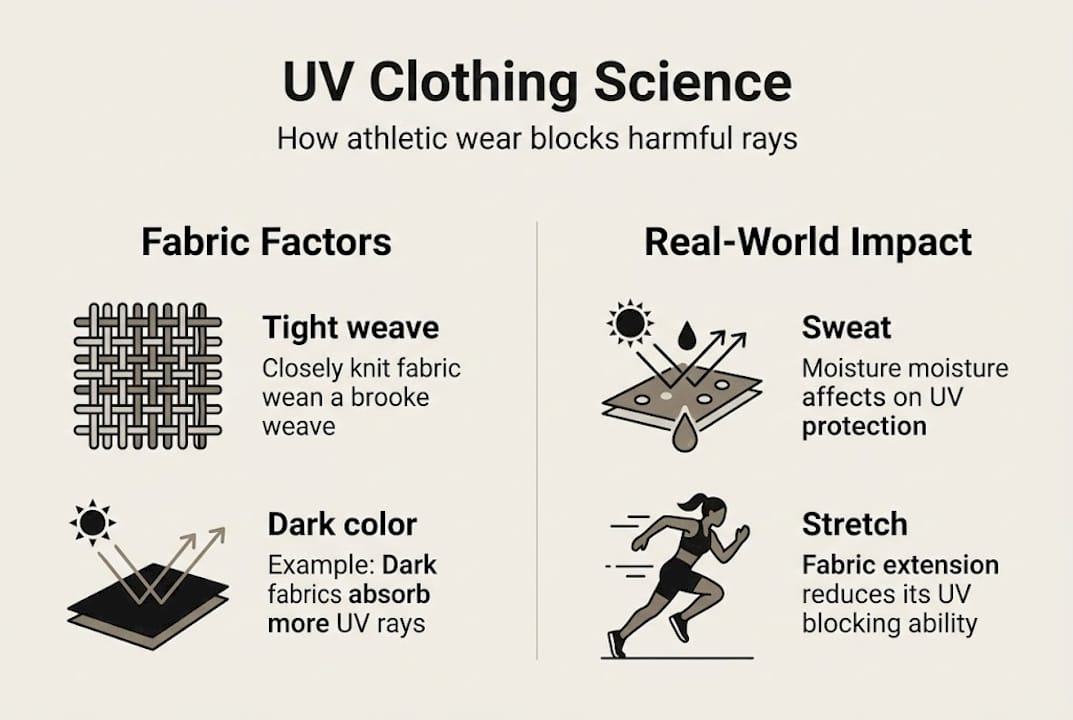
Stretching: When fabric stretches, the weave opens up. Gaps between fibres widen, allowing more UV through. Compression garments are especially vulnerable during dynamic movement.
-
Wetting: Wet cotton loses UV protection rapidly. Synthetic fabrics like polyester and nylon are far more resistant to this effect, maintaining closer to their rated UPF when soaked.
-
Washing: Repeated laundering can degrade both the weave structure and any chemical UV treatments applied to the fabric. Protection drops gradually over time.
| Condition | Cotton UPF change | Polyester UPF change |
|---|---|---|
| Dry, unstretched | Baseline | Baseline |
| Wet | Significant drop | Minimal drop |
| 20% stretch | Moderate drop | Smaller drop |
| After 30 washes | Noticeable decline | Slower decline |
“Dynamic testing reveals the real-world gap between static UPF ratings and actual protection during athletic activity. Sweat, stretch, and repeated use all reduce the effective UV barrier your clothing provides.”
This is why the science behind UPF clothing matters beyond the label. When comparing options, understanding compression vs loose clothing for sun protection helps you make a more informed choice for your specific sport.
For outdoor athletes, the practical takeaway is clear: choose synthetics, prioritise darker colours, and treat your UV gear as performance equipment that needs regular evaluation.
Comparing UV clothing and sunscreen for athletes and outdoor sports
Many athletes want to know if UV clothing really beats sunscreen in practice. The short answer is yes, for most active scenarios. But the full picture is more useful.
Sunscreen works well in theory. In practice, it degrades. Sweat washes it off, rubbing dilutes it, and most people apply far less than the tested amount. For a 90-minute outdoor BJJ session or a long trail run, reapplying every two hours is rarely realistic.
UPF 50+ rash guards block 98% UV and provide more consistent protection during sweat and movement compared to reapplying sunscreen. That consistency is the key advantage. The clothing doesn’t wear off.
Here’s a practical comparison:
UV clothing pros:
-
Consistent protection regardless of sweat or movement
-
No reapplication needed
-
Covers large surface areas reliably
-
Doubles as performance apparel
UV clothing cons:
-
Doesn’t cover every area (face, neck, hands)
-
Protection degrades over time with heavy use
-
UPF clothing use can lower vitamin D production on covered skin
Sunscreen pros:
-
Covers all exposed skin including face and hands
-
Easy to apply to small or awkward areas
-
Widely available
Sunscreen cons:
-
Degrades with sweat, water, and rubbing
-
Requires consistent reapplication
-
Often under-applied in practice
For a detailed breakdown, the comparison of UPF clothing vs sunscreen covers the evidence across different activity types. For specific outdoor training scenarios, UV protection clothing for outdoor workouts offers sport-specific guidance.https://blog.combatra.com.au/blog/best-uv-protection-clothing-outdoor-workouts-8
Pro Tip: Use UPF clothing as your primary defence and apply sunscreen only to exposed areas like your face, neck, and hands. This combination gives you reliable, full-body coverage without depending on sunscreen alone.
Selecting and caring for UV clothing: best practices for athletes
Equipped with the facts, how do you ensure you’re buying gear that protects you under real training conditions? It comes down to what you look for before you buy and how you treat the gear after.
What to look for when buying UV clothing:
-
UPF 50+ certification: This is the minimum standard for serious sun protection. Anything below UPF 30 is not suitable for prolonged outdoor exposure.
-
Fabric composition: Prioritise polyester or nylon blends. These retain UV protection better than cotton under wet and stretch conditions.
-
Colour: Darker shades absorb more UV. If two garments are otherwise equal, the darker one offers better protection.
-
Fit and coverage: A garment that rides up or gaps during movement leaves skin exposed. Test the fit under realistic movement before committing.
-
Certification standard: Look for UV Standard 801, which tests fabrics under wet and stretched conditions, not just dry and flat.
Choose UPF 50+ polyester blends tested for wet and stretch conditions, and replace gear after heavy use or repeated washes. This isn’t just a recommendation. It’s the difference between real protection and a false sense of security.
How to care for UV clothing:
-
Wash in cold water on a gentle cycle to preserve weave structure and chemical treatments.
-
Avoid fabric softeners, which can coat fibres and reduce UV-absorbing properties.
-
Air dry where possible. High heat from dryers degrades synthetic fibres over time.
-
Inspect gear regularly for thinning, fading, or stretched-out areas.
For UPF 50+ rashguards specifically, checking the fabric condition after every major training block is a smart habit. For those in outdoor work environments, UV workwear tips offer additional guidance on extending garment life under demanding conditions.
Pro Tip: Look for the UV Standard 801 certification label when purchasing. Unlike basic UPF ratings, this standard accounts for wet and stretched conditions, giving you a more accurate picture of real-world performance.
The overlooked truths about UV clothing every athlete should know
Most guides stop at telling you to buy UPF 50+ gear and wash it gently. That’s useful, but it misses the bigger picture.
The uncomfortable truth is that dynamic testing shows that UPF claims measured on unstretched, dry fabric can mislead athletes about real protection. A garment rated 50+ in the lab might perform closer to UPF 30 after a hard training session. That’s still good protection, but it’s not what the label promises.
At Combatra, we think the industry needs to be more honest about this. Athletes deserve to know that their gear degrades under real conditions, not just in theory. The real-world reliability of UV gear is something we take seriously in how we design and test our products.
Our view is simple: re-evaluate your sun gear after major training blocks or competition seasons, not just at the point of purchase. A garment that’s been through 40 hard sessions is not the same garment you bought. Treat UV clothing like any other piece of performance equipment. Inspect it, maintain it, and replace it when it’s no longer performing.
Find gear designed for peak UV protection
For those seeking certified, athlete-focused solutions, Combatra offers a range built for serious sun conditions.
If you train outdoors, compete in martial arts, or simply spend long hours under the Australian sun, your gear needs to keep up. Combatra’s rashguards for sun protection are engineered with UPF 50+ fabrics designed to perform under sweat, stretch, and repeated use. Every garment is built with movement in mind, so you’re not sacrificing comfort for coverage.
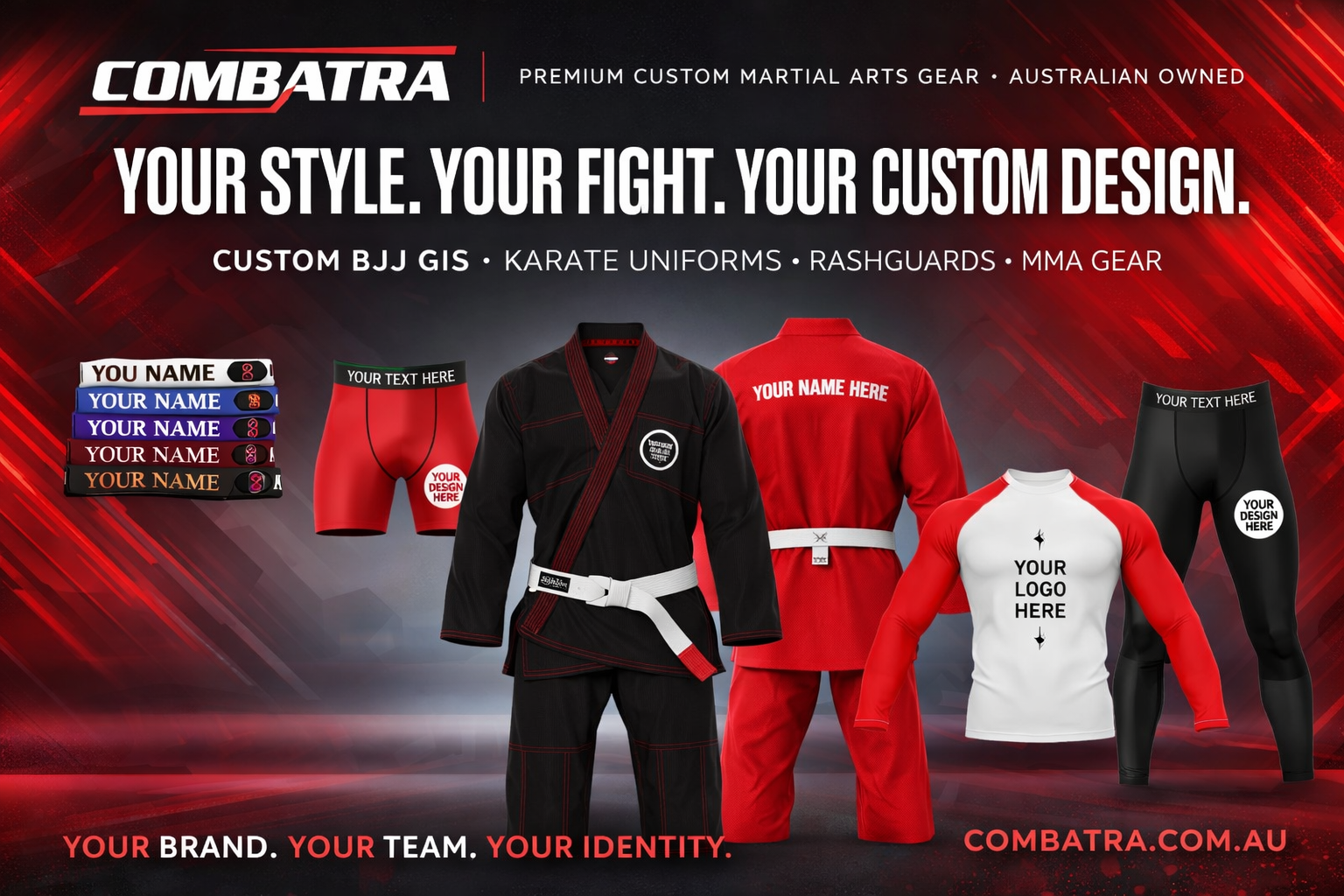
Browse the full range at Combatra sportswear, including Jiu Jitsu Gi pants and compression wear tailored for combat sports and outdoor training. Whether you’re gearing up solo or outfitting a full academy team, Combatra has the UV-rated apparel to match your training demands.
Frequently asked questions
What makes UPF clothing better than regular athletic wear?
UPF clothing uses physical and chemical barriers, including tight weaves, UV-absorbing fibres, and additives, to achieve far superior protection compared to ordinary fabrics that offer little to no UV defence.
How often should I replace my UV clothing if I train hard?
Replace UV clothing after heavy wear or 30 to 50 washes, as UPF effectiveness decreases with repeated washing and high-intensity use over time.
Will UPF clothing stop me from making vitamin D outdoors?
UPF clothing reduces vitamin D synthesis on covered skin areas, but brief sun exposure on uncovered areas like your face and forearms is typically sufficient for daily vitamin D needs.
Do dark colours really make UV clothing work better?
Yes. Darker colours and tighter weaves enhance UV blocking properties, making dark-coloured UPF garments more effective than lighter versions of the same fabric type.