
TL;DR:
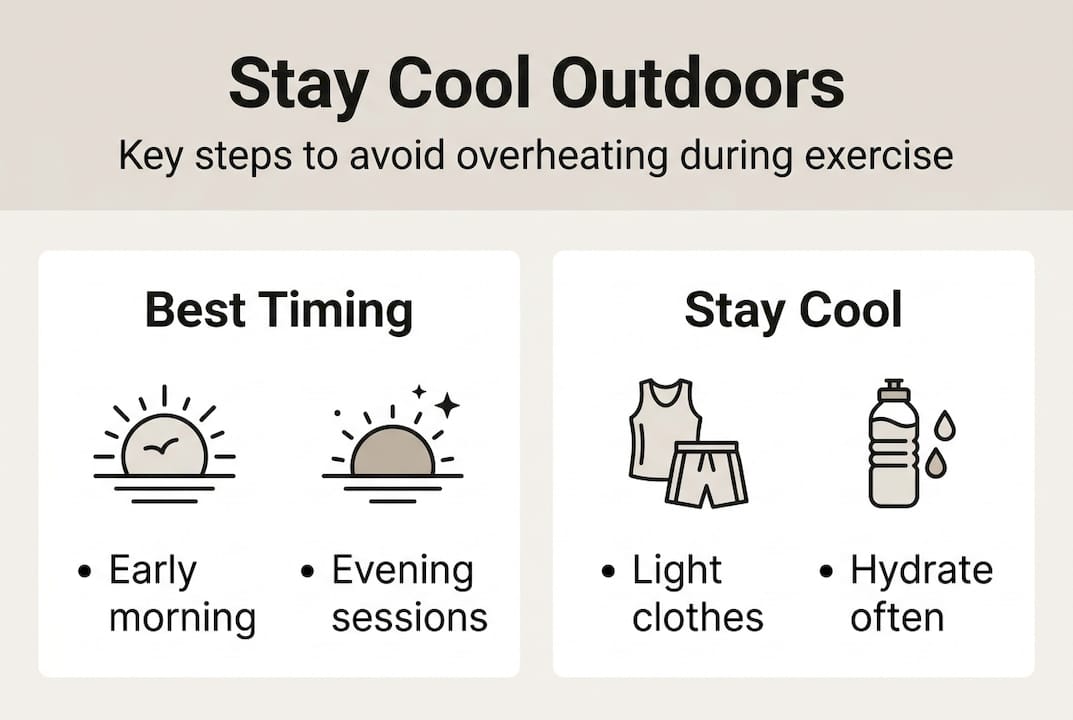
Training outdoors is safest before 10 AM or after 6 PM, avoiding peak heat hours.
Proper clothing, hydration, and gradual heat acclimation enhance safety and performance in hot conditions.
Monitoring WBGT and using active cooling methods help prevent heat stress during outdoor workouts.
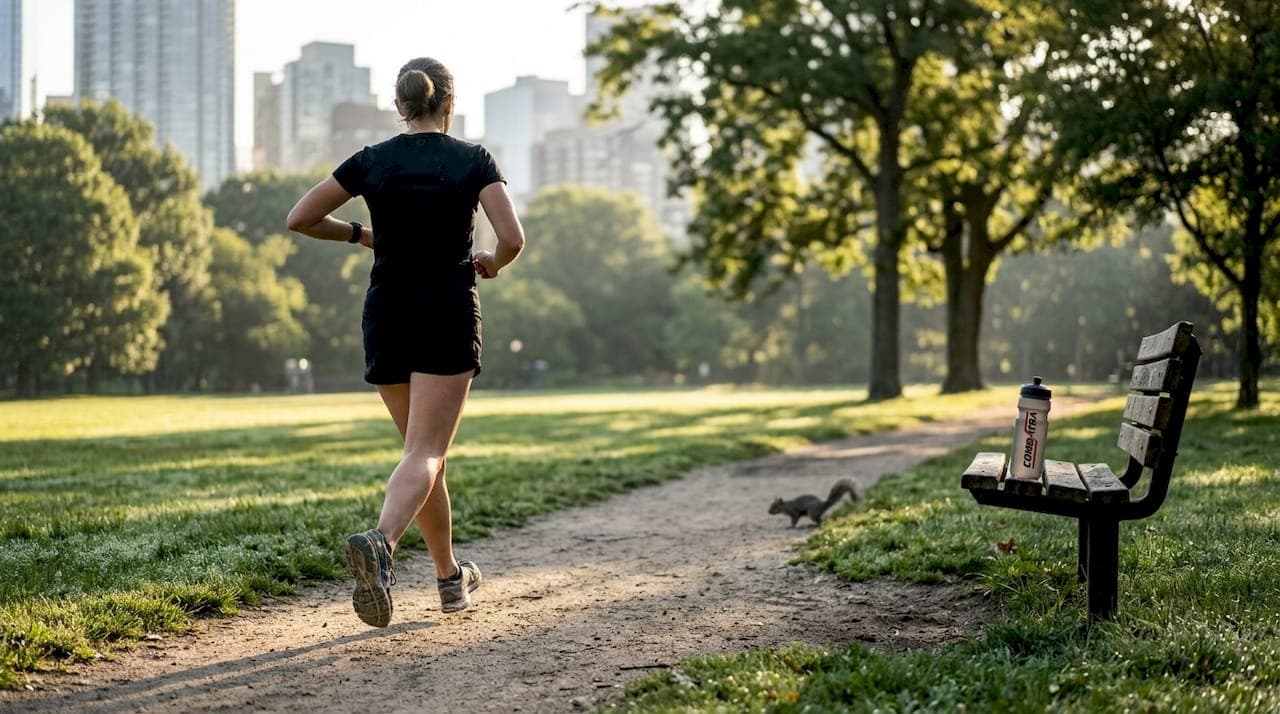
You push through the warm-up, and by the third round your head is pounding, your vision blurs slightly, and your body feels like it’s running on empty. That’s not just fatigue. That’s heat stress, and it can derail your session faster than any opponent. Overheating during outdoor training is a genuine risk for martial artists, BJJ practitioners, and anyone working hard under the Aussie sun. The good news is that with the right timing, preparation, clothing, and hydration strategies, you can train safely and actually perform better in the heat. This guide gives you the practical steps to make that happen.
Table of Contents
Key Takeaways
| Point | Details |
|---|---|
| Timing is critical | Train early or late to avoid peak heat and reduce your risk of overheating. |
| Acclimate gradually | Allow your body 8-14 days to adapt to warmer sessions and repeat weekly for lasting benefits. |
| Wear the right kit | Lightweight, moisture-wicking gear and sun protection drastically cut down heat load. |
| Hydration and cooling | Take regular water and rest breaks, use cooling techniques, and monitor for dehydration during workouts. |
| Stick to the basics | Simple, consistent planning keeps outdoor training sessions safe and productive. |
Know when and where to train
The single most effective thing you can do to manage heat is to control when and where you train. It sounds straightforward, but most heat-related incidents happen simply because athletes ignore the clock. The sun in Australia reaches its peak intensity between 10 AM and 4 PM, and the combination of high air temperature, humidity, and solar radiation during these hours creates real danger.
Schedule outdoor training before 10 AM or after 6 PM to avoid peak heat and UV exposure. Early morning sessions also tend to benefit from cooler ground temperatures, which matters if you’re doing groundwork or rolling on outdoor mats.https://blog.combatra.com.au/blog/how-to-prevent-sunburn-training-outdoors-australia
Where you train is just as important. Asphalt and concrete absorb and radiate heat far more aggressively than grass or shaded areas. A training space under tree cover can feel noticeably cooler than an open carpark just metres away. If you’re doing outdoor sunburn prevention research, you’ll know that reflected UV from hard surfaces adds to your total exposure too.
Wet Bulb Globe Temperature (WBGT) explained: WBGT is a measure that combines air temperature, humidity, wind speed, and solar radiation into a single safety number. It’s the gold standard for assessing heat risk during exercise.
| WBGT range | Risk level | Recommended action |
|---|---|---|
| Below 28°C (82°F) | Low | Normal training |
| 28°C to 32°C (82-90°F) | Moderate | Reduce intensity, take breaks |
| 32°C to 33°C (90-92°F) | High | Shorten sessions significantly |
| Above 33°C (92°F) | Extreme | Avoid outdoor workouts |
Here’s a simple checklist for picking your training spot:
-
Check WBGT using a weather app or sports safety tool before heading out.
-
Choose shaded, grassy areas over open asphalt or concrete.
-
Confirm there’s access to water and a shaded rest zone nearby.
-
Tell someone your plan if training solo in hot conditions.
Pro Tip: Apps like Weather Underground show heat index and humidity alongside temperature. Use them together rather than checking temperature alone. Heat at 34°C with 80% humidity is far more dangerous than 38°C in dry conditions.
For sun protection for martial artists, combining smart timing with the right location is the foundation of everything else.
Prepare your body for heat: Smart acclimation
Once you’ve picked the right time and place to train, getting your body prepared for heat is the next step. Heat acclimation means gradually exposing your body to warm conditions so it adapts. Your core temperature, sweat rate, plasma volume, and cardiovascular response all improve with structured heat exposure. These aren’t minor tweaks. They’re meaningful physiological changes that make you safer and stronger in the heat.
Gradually acclimate to heat over 8 to 14 days using structured daily sessions at moderate intensity. Some athletes may need up to five weeks for full adaptation, especially if they’re new to hot climates or have a higher body mass index.
The first week is the riskiest. Your body hasn’t yet increased its sweat rate or blood plasma volume, so it struggles to cool efficiently. Keep intensity low, sessions short (around 30 to 45 minutes), and pay close attention to how you feel.
“Heat acclimation protocols can reduce heart rate and perceived strain, but the benefits decay within 12 days if you stop heat training.”
Acclimation timeline comparison:
| Phase | Days | What happens in your body |
|---|---|---|
| Early adaptation | 1 to 5 | Plasma volume increases, sweat onset is earlier |
| Mid adaptation | 6 to 10 | Heart rate during effort drops noticeably |
| Full adaptation | 11 to 14+ | Core temperature regulation stabilises |
To maintain your gains, you need one to two heat training sessions per week. Drop below that and the adaptations fade within two weeks.
A structured acclimation plan looks like this:
-
Days 1 to 3: Low-intensity movement in warm conditions, 20 to 30 minutes.
-
Days 4 to 7: Moderate intensity, 35 to 45 minutes, focus on technique-based drills.
-
Days 8 to 14: Increase to normal training volume while monitoring effort carefully.
Pro Tip: If you’ve had a recent illness, are carrying extra body fat, or have low cardiovascular fitness, slow the timeline down. These factors raise your heat stress risk significantly.
For a deeper look at how gear choices interact with heat adaptation, check this breakdown of compression vs rashguards for outdoor training.https://blog.combatra.com.au/blog/compression-sleeves-vs-rashguards-outdoor-training
Dress for success: Clothing, sun safety and gear
Physical adaptations help, but what you wear during exercise plays a massive role in keeping cool. The wrong clothing can make a moderate day feel dangerous. The right gear keeps your skin protected, your sweat working for you, and your body temperature manageable.
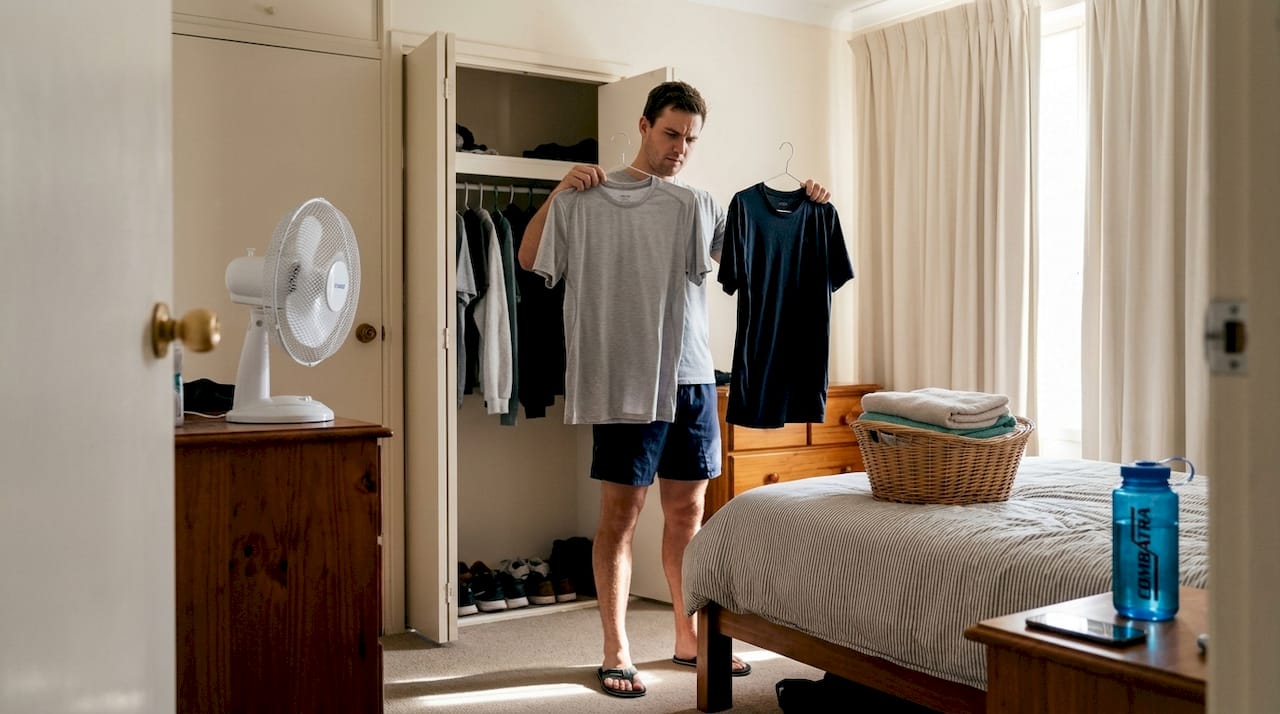
Wear light-coloured, moisture-wicking, loose clothing and apply SPF 30+ sunscreen. Add a wide-brim hat or neck flap for shade during breaks or lower-intensity movement.
Here’s what makes each clothing choice matter:
-
Colour: Light colours reflect solar radiation. Dark fabrics absorb it and raise skin surface temperature.
-
Fabric: Moisture-wicking synthetics pull sweat away from the skin so it evaporates efficiently. Cotton holds moisture against you, which adds weight and slows cooling.
-
Fit: Loose-fitting garments allow airflow between the fabric and your skin, improving natural evaporative cooling.
-
UPF rating: A UPF 50+ garment blocks 98% of UV radiation. This matters because sunburn actively hinders cooling by damaging the skin’s ability to rhttps://blog.combatra.com.au/blog/compression-vs-loose-clothing-sun-protection-athletesegulate temperature.
-
Arm sleeves: UPF-rated arm sleeves protect exposed skin without adding bulk or restricting movement.
-
Footwear: Avoid training barefoot on asphalt or dark surfaces in summer. Ground temperatures can reach dangerously high levels and cause burns.
A UV protection clothing guide is worth reading before your next hot-weather session to understand exactly how fabric construction affects your protection level.
Pro Tip: Many athletes assume long sleeve rashguards make you hotter. The reality is that quality UPF fabric can actually keep you cooler than exposed skin in full sun by reducing the radiant heat load on your body.
Don’t skip sunscreen even if you’re covered up. Apply it to any exposed skin, including neck, face, and hands, at least 20 minutes before heading outside.
Stay hydrated and cool: Fluid, breaks and active cooling
Clothing is just one side of the equation. Fluid and cooling strategies are your ongoing safety net during exertion. Dehydration and overheating often arrive together, and by the time you feel thirsty, you’re already behind.
“Hydrate proactively with water and electrolytes; preload before training, monitor urine colour, and replace approximately 600 ml per half kilogram lost during exercise.”
Follow this hydration sequence during every hot-weather session:
-
Before training: Drink 400 to 600 ml of water in the hour before your session. Urine should be pale yellow, not dark.
-
During training: Sip 150 to 250 ml every 15 to 20 minutes. For sessions over 60 minutes, add electrolytes to replace sodium lost in sweat.
-
After training: Rehydrate with 1.5 times the fluid you lost. Weigh yourself before and after if possible.
For cooling strategies outdoors, active methods work best when combined with rest breaks:
-
Cold towels applied to the neck, wrists, and inner arms drop perceived temperature quickly.
-
Water dousing (pouring cool water over the head and arms) is highly effective and requires no equipment.
-
Ice vests during warm-up or between rounds are used by elite athletes to pre-cool core temperature.
-
Scheduled shade breaks every 20 to 30 minutes give your body time to shed accumulated heat.
Rest breaks in shade and active cooling like cold towels and pre-cooling improve both performance and safety during heat waves. Train with a partner when conditions are tough. Heat exhaustion can progress quickly, and having someone nearby to monitor you makes a real difference.
Why simple heat management outperforms fancy biohacks
Here’s a perspective worth considering after you’ve absorbed all the science. The outdoor and sports performance industry loves selling complexity. Ice baths with precise salinity levels, wearable core temperature sensors, proprietary electrolyte formulas. These tools have their place, but they distract most athletes from what actually keeps them safe.
Every serious heat incident we hear about in training environments comes down to the same overlooked basics. Someone trained at midday because the morning didn’t suit them. Someone wore a dark cotton shirt because it was clean. Someone skipped drinking before a session because they weren’t thirsty yet.
UPF clothing for athletes combined with smart timing and consistent hydration will protect you better than any gadget. Elite performance gains in the heat come from well-structured protocols followed consistently, not shortcuts or high-tech additions layered on top of poor fundamentals. Master the basics first. The gear and tools become meaningful amplifiers only once the foundation is solid.
Train smart with the right gear from Combatra
Putting these strategies into practice is easier when your gear is built for the conditions. Combatra designs performance apparel specifically for athletes training in tough Aussie heat, from moisture-wicking fabrics to UPF 50+ protection across our full range.

Whether you need training shorts for hot weather that allow full movement and airflow, a sports bra for performance that stays comfortable through long sessions, or BJJ pants for sun-safe training that hold up outdoors, Combatra has you covered. Explore our range and gear up for safer, smarter outdoor sessions this season.
Frequently asked questions
What time of day is best for outdoor training to avoid overheating?
Early morning before 10 AM or evening after 6 PM are the safest windows, as temperatures are lower and UV intensity is reduced significantly.
How do I tell if it’s too hot to train outside?
Check the Wet Bulb Globe Temperature before heading out. If WBGT exceeds 92°F (approximately 33°C), skip outdoor exercise and move your session indoors.
How quickly can I acclimate to heat for outdoor exercise?
Most people adapt within 8 to 14 days of daily moderate-intensity training in warm conditions, with maintenance sessions once or twice weekly to preserve the gains.
What should I wear to stay cool and safe outdoors?
Light-coloured, loose, moisture-wicking clothing with SPF 30+ sunscreen and a hat or neck flap give you the best protection against both heat and UV radiation.
How do I know if I’m getting enough water?
Monitor your urine colour before and after training. Pale yellow means you’re on track. Dark urine signals dehydration, and you should drink more before your next session.