
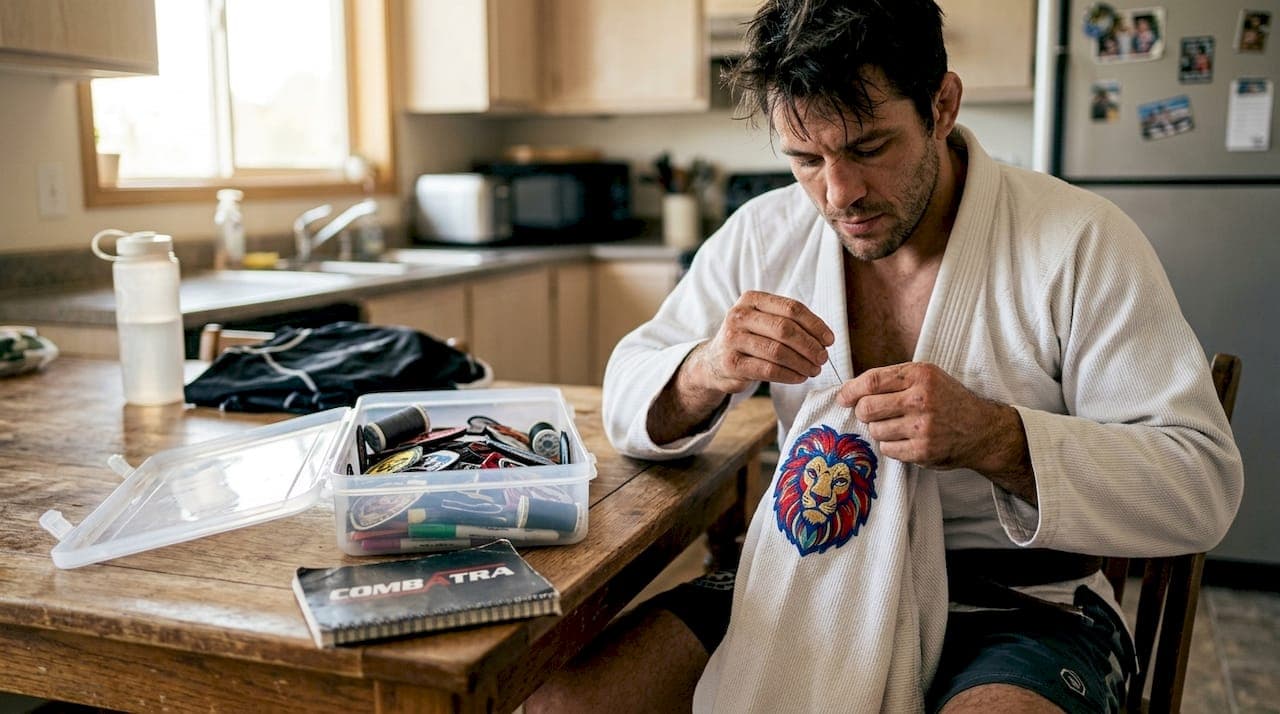
Walking into training with gear that looks and feels like everyone else's can leave you feeling disconnected from your practice. Many BJJ practitioners struggle with generic equipment that doesn't reflect their personality or fit their body properly. Personalizing your BJJ gear transforms standard uniforms into performance-enhancing, confidence-boosting equipment that expresses who you are on the mat. This guide walks you through everything you need to customize your gi, rashguard, and shorts for maximum comfort, style, and functionality while staying competition compliant.
Table of Contents
- Key takeaways
- What you need to personalize your BJJ gear
- Step-by-step guide to customizing your BJJ gear
- Avoiding common mistakes and troubleshooting personalization issues
- Expected results and maintaining personalized BJJ gear
- Personalize your BJJ gear with Combatra
- How to personalize BJJ gear FAQ
Key Takeaways
| Point | Details |
|---|---|
| Comfort and performance boost | Personalizing your BJJ gear enhances comfort and performance while expressing your personality on the mat. |
| Materials and options | Different fabrics require different customization methods, such as embroidery for cotton blends and sublimation for polyester blends. |
| Preparation essentials | Wash gear, inspect seams, and test any design on a hidden area before applying it to prevent damage. |
| Rules and safety compliance | Knowing IBJJF rules helps keep patches and color changes competition legal. |
What you need to personalize your BJJ gear
Successful gear customization starts with proper preparation. Before you begin modifying your equipment, you need to gather the right tools, understand your materials, and plan your approach carefully.
First, identify which pieces you want to customize. Your gi jacket and pants offer large surfaces for patches and embroidery, while rashguards work best with sublimation or screen printing. Shorts provide opportunities for logos, names, and design elements on the legs and waistband. Each piece requires different techniques and tools.
Gather your customization toolkit based on your chosen methods. Fabric markers designed for athletic wear provide simple personalization options. Embroidery kits with needles, thread, and hoops let you add detailed designs. Heat transfer vinyl and an iron or heat press work for adding names and logos. Patches require fabric glue or needle and thread for secure attachment. For advanced projects, consider sublimation printers for rashguards or professional screen printing equipment.
Understanding fabric types determines which customization methods will work. Most BJJ gis use cotton or cotton blends that handle embroidery, patches, and fabric paint well. Rashguards typically feature polyester, spandex, or nylon blends that require heat-based methods like sublimation. Choosing the right materials and tools is essential to effective gear customization, as incompatible techniques can damage fabrics or create unsafe modifications.
Competition regulations matter even if you primarily train recreationally. The International Brazilian Jiu-Jitsu Federation (IBJJF) has specific rules about patch placement, gi colors, and acceptable modifications. Familiarize yourself with these guidelines before customizing to ensure your gear remains legal for tournaments. Most organizations allow small patches on shoulders, chest, and legs, but restrict certain areas.
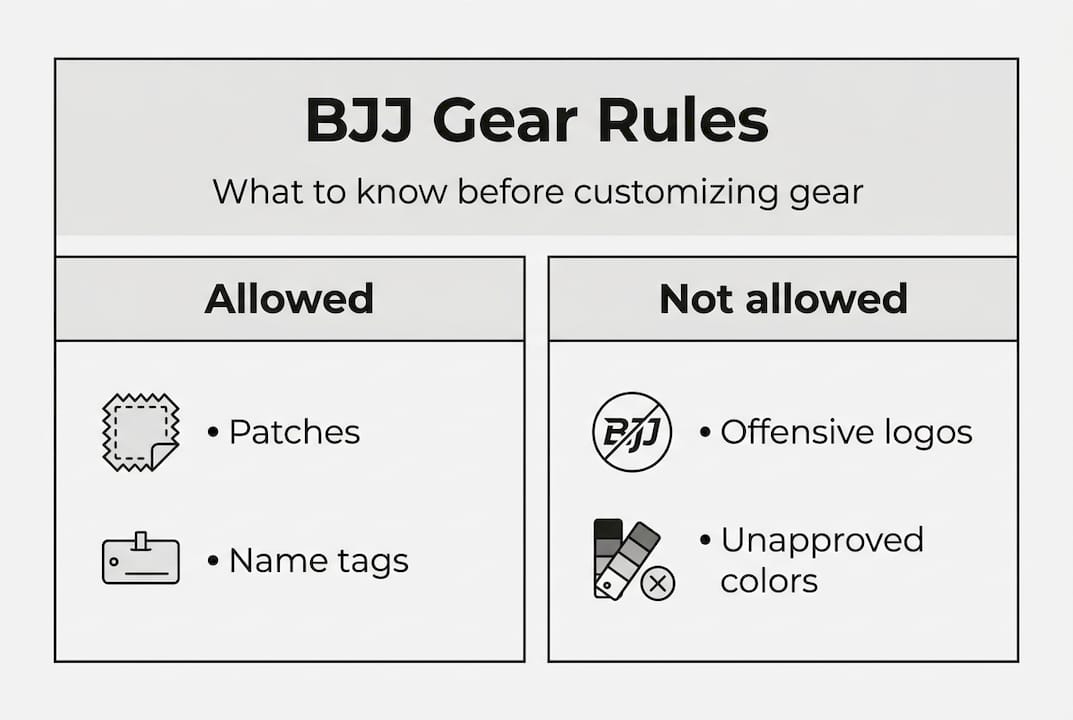
Prepare your gear properly before starting any customization. Wash all items to remove sizing chemicals and shrink fabrics to their final dimensions. Inspect seams, fabric condition, and existing wear patterns. Customizing damaged or worn gear wastes effort since the base equipment won't last. Iron out wrinkles on gis to create smooth surfaces for patches and painting.
Pro Tip: Test any paint, marker, or adhesive on a hidden area of your gear first, like inside a gi jacket or the inner waistband of shorts, to ensure it doesn't damage the fabric or cause allergic reactions.
Here's a quick reference for matching customization methods to gear types:
| Gear Type | Best Customization Methods | Tools Needed |
|---|---|---|
| Gi jacket and pants | Embroidery, patches, fabric paint | Embroidery kit, fabric glue, athletic fabric markers |
| Rashguards | Sublimation printing, screen printing | Heat press, sublimation printer, or professional service |
| Fight shorts | Heat transfer vinyl, patches, embroidery | Heat press or iron, vinyl cutter, embroidery supplies |
For detailed guidance on rashguard customization or learning to personalize your BJJ gi, explore specialized tutorials that walk through each technique step by step.
Step-by-step guide to customizing your BJJ gear
With your materials gathered and gear prepared, follow these detailed steps to create personalized equipment that looks professional and performs reliably.
Step 1: Choose your design elements
Start by planning what you want to add to your gear. Popular options include your name, academy logo, belt rank, motivational phrases, national flags, or artistic designs. Sketch your ideas on paper first, noting exact placement on each gear piece. Consider balance and symmetry, as lopsided designs look unprofessional. Keep functional areas clear, like collar grips on gis or areas that experience high friction.
Step 2: Apply patches and embroidery
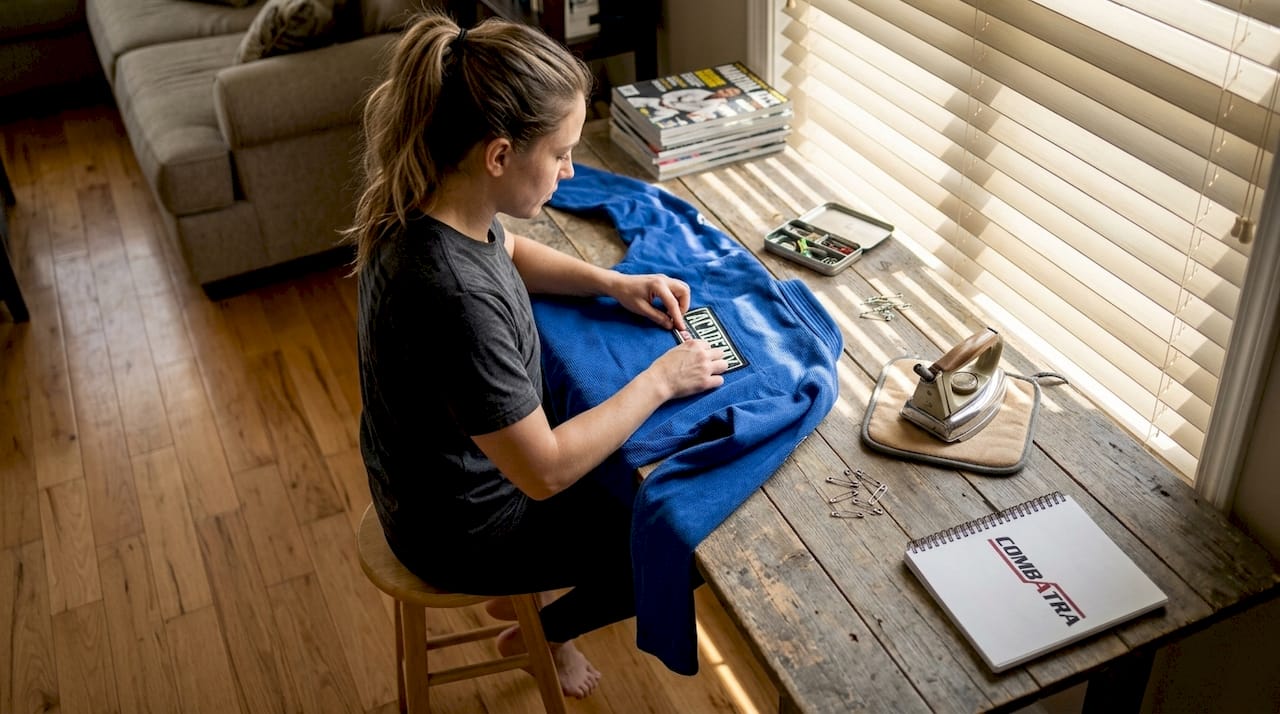
Patches offer the easiest customization method for gis. Position your patch exactly where you want it, then secure with fabric glue designed for athletic wear or stitch around all edges using a whipstitch or running stitch. For embroidery, transfer your design onto the fabric using transfer paper or a washable marker. Use an embroidery hoop to keep fabric taut while stitching. Choose thread colors that contrast with your gi for visibility. Proper customization methods enhance both appearance and gear durability, so take time to secure all elements firmly.
Step 3: Customize rashguards with printing
Rashguards require heat-based methods since the stretchy synthetic fabrics don't accept traditional embroidery well. Sublimation printing produces the most durable, vibrant results by infusing dye directly into polyester fibers. This requires specialized equipment and works only on white or light-colored polyester. Screen printing applies ink layers onto the fabric surface and works on various colors but may crack over time with repeated stretching. Heat transfer vinyl cuts designs from colored sheets that bond to fabric under heat and pressure.
Step 4: Add personalization details
Finalize your customization with personal touches. Add your name to gi pants legs or rashguard shoulders using fabric markers or vinyl letters. Include your belt rank with small colored patches on gi shoulders. Place your academy logo prominently on the back or chest. Remember that less is often more, overcrowding your gear with too many elements can look cluttered and restrict movement.
Pro Tip: When adding names or text, use fonts that remain legible when fabric stretches during movement. Avoid thin, delicate scripts that may become unreadable on rashguards or fight shorts.
Here's how common customization methods compare:
| Method | Cost | Durability | Appearance | Best For |
|---|---|---|---|---|
| Patches | Low | High | Classic | Gis, academy logos |
| Embroidery | Medium | Very High | Professional | Gis, names, detailed designs |
| Fabric markers | Very Low | Medium | Casual | Quick personalization, temporary designs |
| Sublimation printing | High | Very High | Vibrant | Rashguards, full-color designs |
| Screen printing | Medium | High | Bold | Rashguards, shorts, simple graphics |
| Heat transfer vinyl | Medium | Medium | Clean | Names, simple logos, solid colors |
For comprehensive instructions on BJJ gi personalization or exploring options for custom rashguards, dedicated guides provide technique-specific details and troubleshooting advice.
Avoiding common mistakes and troubleshooting personalization issues
Even experienced practitioners make errors when customizing gear. Learning what to avoid saves you time, money, and frustration while ensuring your personalized equipment lasts.
The biggest mistake involves using materials incompatible with athletic gear. Regular craft paints crack and peel when fabric flexes during training. Standard iron-on transfers designed for cotton t-shirts fail on stretchy rashguard materials. Non-breathable adhesives trap moisture and create uncomfortable hot spots. Always use products specifically designed for athletic wear or performance fabrics.
Improper washing destroys customization work faster than training wear. Hot water, harsh detergents, and machine drying cause patches to lift, embroidery to fray, and prints to fade. Many practitioners make avoidable mistakes that damage gear or break competition rules by not following care instructions. Wash personalized gear in cold water on gentle cycles, use mild detergents, and air dry whenever possible.
Ignoring competition regulations creates problems if you decide to compete. Some tournaments disallow certain patch placements, prohibit offensive designs, or restrict gi colors and personalization. Check your organization's rulebook before customizing competition gear. Keep one set of gear for tournaments and another for training if you want more creative freedom.
Oversized patches restrict movement and create grip points for opponents. Patches on gi pants legs or jacket sleeves can catch during transitions and sweeps. Keep patches reasonably sized and avoid placing them in high-friction areas like inner thighs, underarms, or collar zones where they interfere with techniques.
Warning: Never use customization methods that compromise gear safety or structural integrity. Avoid cutting or significantly altering reinforced seams, using toxic adhesives, or adding hard embellishments that could injure training partners. Competition-legal and training-safe should always be your top priorities.
Troubleshooting common issues:
- Fading colors: Use color-safe detergent, wash in cold water, turn gear inside out, and avoid direct sunlight when drying
- Peeling patches or vinyl: Reapply with stronger fabric adhesive or add stitching around edges for reinforcement
- Fraying embroidery: Seal thread ends with clear nail polish or fabric sealant, reinforce loose areas with matching thread
- Cracking screen prints: Reduce heat exposure during washing and drying, consider replacing with sublimation or vinyl
- Stiff fabric around customization: This indicates too much adhesive or improper heat application, try washing to soften or consult a professional
For guidance on selecting quality suppliers who understand these challenges, review tips on choosing a custom BJJ rashguard supplier that delivers durable, properly customized gear.
Expected results and maintaining personalized BJJ gear
Well-executed gear personalization delivers multiple benefits that enhance your training experience and extend equipment lifespan.
Enhanced comfort comes from choosing customization methods that complement your gear's fit and function. Adding your name and academy logo creates a sense of ownership that increases care and attention to your equipment. Custom-fit modifications, like adjusting gi pants length or adding reinforcement to high-wear areas, improve how gear performs during intense training sessions.
Increased confidence stems from expressing personal style on the mat. Your customized gear becomes an extension of your identity as a martial artist. Training partners and instructors notice the effort you put into your appearance, which reflects your commitment to the art. Standing out with unique, tasteful personalization builds pride in your practice.
Properly personalized gear boosts confidence, comfort, and uniquely represents the athlete while maintaining the functionality required for effective training. The key is balancing aesthetics with performance.
Maintaining your customized gear requires slightly more attention than standard equipment:
- Wash personalized items separately or with similar colors to prevent dye transfer
- Turn gear inside out before washing to protect external customization
- Use mesh laundry bags for items with patches or delicate embroidery
- Spot clean minor stains instead of washing entire pieces unnecessarily
- Store gear hanging or flat rather than crumpled to prevent creasing customized areas
- Inspect customization regularly for loose threads, lifting patches, or fading, addressing issues immediately
- Rotate between multiple personalized gear sets to reduce wear on any single piece
- Reapply protective treatments to fabric paint or vinyl every few months
Plan to refresh or update your personalization periodically. As you progress through belt ranks, add new patches or update existing ones. When designs fade or your style evolves, don't hesitate to modify your gear again. The beauty of personalization is that it grows with you throughout your BJJ journey.
Repair customization promptly when damage occurs. Loose embroidery threads should be secured immediately before entire designs unravel. Lifting patches need re-gluing or stitching before they tear away completely. Addressing small issues prevents costly replacements and keeps your gear looking sharp.
For comprehensive information on different BJJ attire types and customization options, explore detailed guides that explain how various gear pieces can be personalized while maintaining their intended function.
Personalize your BJJ gear with Combatra
Ready to take your gear to the next level with professional customization? While DIY methods work well for simple projects, Combatra offers expertly crafted personalized BJJ equipment that combines premium quality with your unique style.
Combatra specializes in custom rashguards, fight shorts, and gis designed specifically for martial artists who demand both performance and personalization. Their item personalization options let you add names, logos, and custom designs to high-quality gear built to withstand intense training.
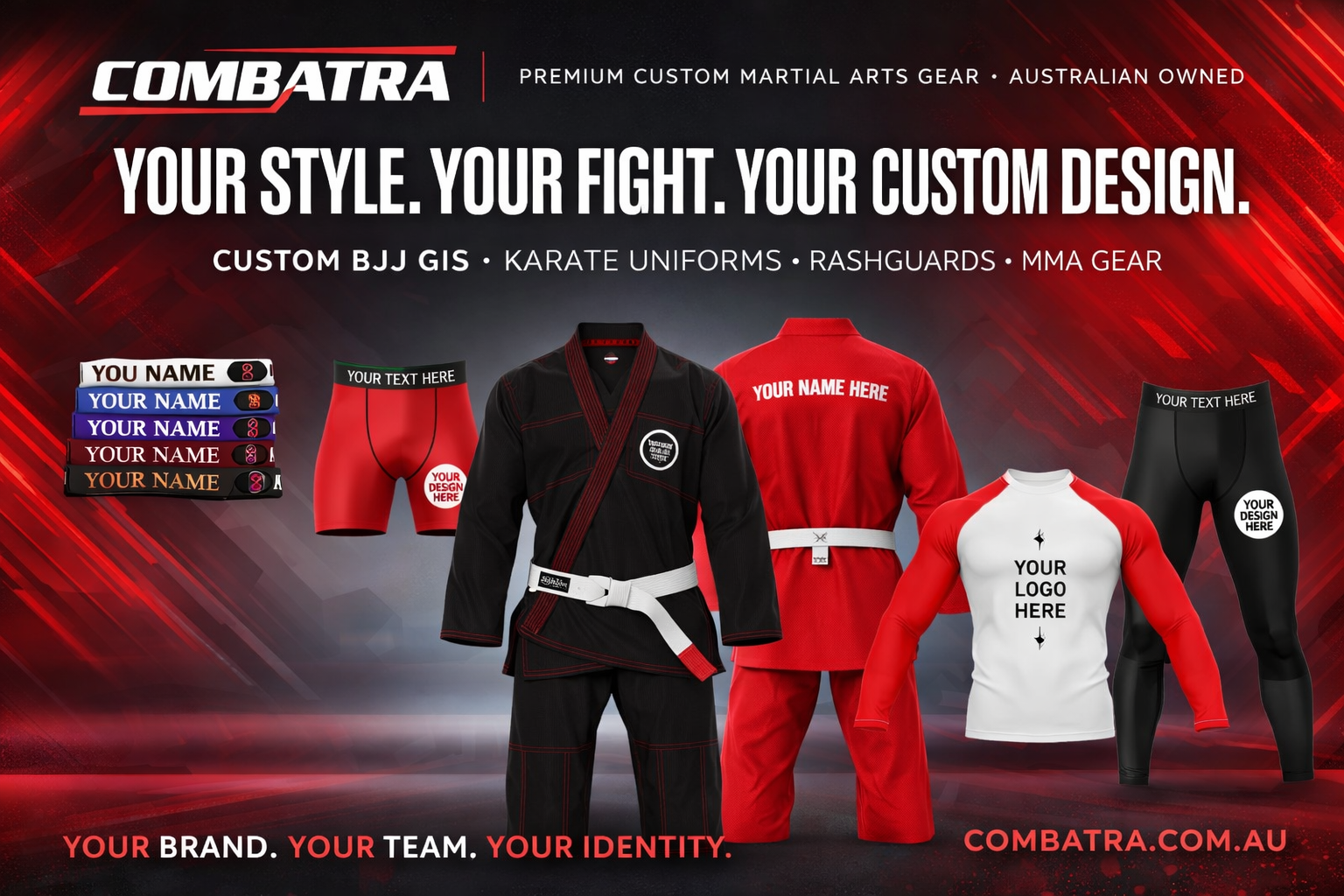
Explore the custom rashguard compression top builder to create rashguards with sublimation printing that never fades or cracks. Design customizable MMA fight shorts with your choice of colors, graphics, and text for shorts that match your personal brand. Every piece uses premium materials and professional customization techniques that outlast DIY methods while delivering competition-legal results.
How to personalize BJJ gear FAQ
Can I personalize competition-legal BJJ gis?
Yes, you can personalize competition gis as long as you follow your organization's rules. Most federations allow patches in specific locations like shoulders, chest, and legs, but restrict patch sizes and placement near the collar. Always check current IBJJF or your tournament's rulebook before customizing competition gear.
What materials work best for long-lasting customization?
For gis, use embroidery thread designed for heavy fabrics and iron-on patches with stitched edges for maximum durability. Rashguards need sublimation printing or high-quality screen printing inks formulated for synthetic athletic fabrics. Avoid regular craft supplies, which fail quickly under the stress of training and washing.
How do I maintain personalized gear to avoid damage?
Wash customized gear in cold water on gentle cycles, turn items inside out, and always air dry. Use mild detergents without bleach or harsh chemicals. Store gear hanging or flat rather than wadded up. Inspect customization regularly and repair loose threads or lifting patches immediately before damage spreads.
Are there safe DIY methods for customizing rashguards?
Heat transfer vinyl and fabric markers designed for athletic wear provide safe DIY rashguard customization. These methods work on most synthetic fabrics without damaging stretch or moisture-wicking properties. Avoid regular iron-on transfers, craft paints, or sewing, which can compromise rashguard functionality and comfort.
How long does professional personalization usually take?
Professional customization typically takes one to three weeks depending on the complexity of your design and the supplier's current workload. Rush services may be available for additional fees. Simple additions like names or single patches often process faster than full custom designs with multiple elements.