
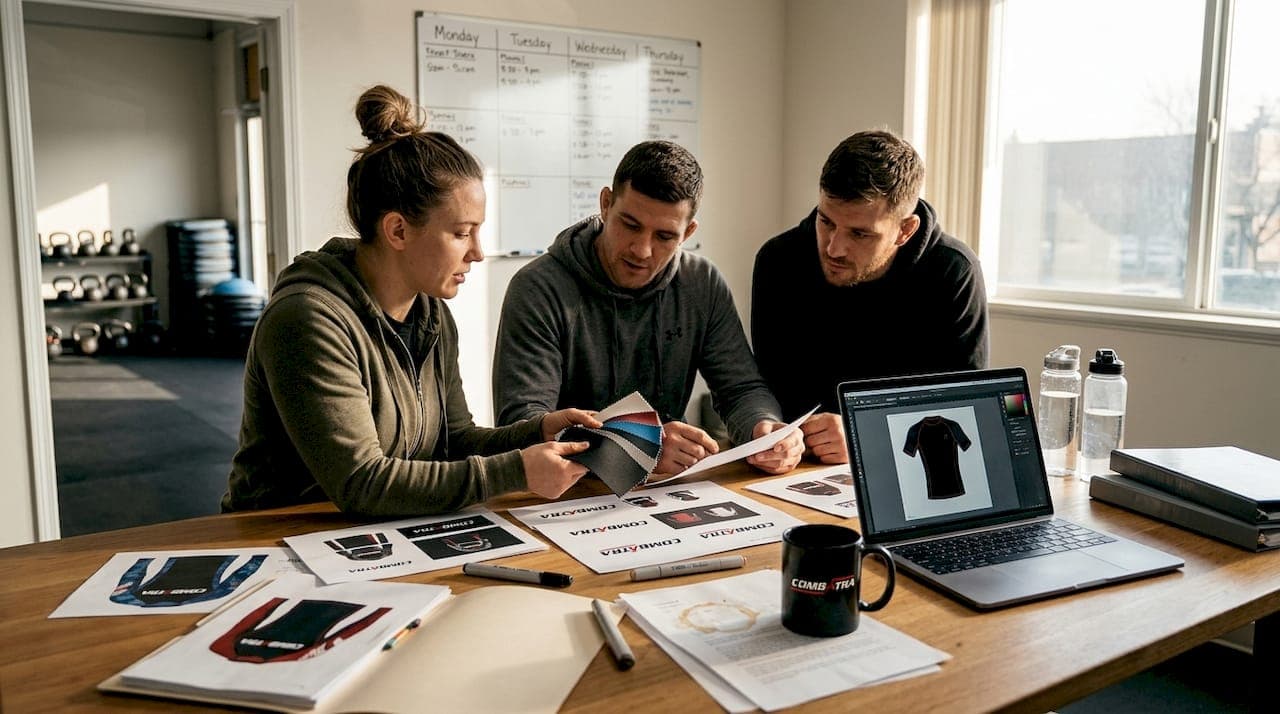
Finding durable, high-quality custom rashguards that truly represent your academy's brand while surviving intense training sessions remains a persistent challenge for martial arts team leaders. Many coaches discover their team gear fades, peels, or fails after just weeks of use. This comprehensive guide walks you through professional methods for creating lasting team-branded rashguards, from selecting the right materials and printing technology to navigating design requirements and competition compliance. You'll learn the exact steps successful academies use to outfit their athletes with gear that performs as hard as they train.
Table of Contents
- Key takeaways
- Understanding fabric and printing methods for rashguards
- Preparing your design and artwork for team-branded rashguards
- Ordering, production, and ensuring compliance for team rashguards
- Common challenges and tips for successful custom rashguard projects
- Equip your team with premium custom rashguards
- Frequently asked questions
Key Takeaways
| Point | Details |
|---|---|
| Sublimation benefits | Dye sublimation on polyester spandex produces durable, vibrant designs that won't crack, peel, or fade through extensive training and washing. |
| Strategic design placement | Place graphics away from seams and high stretch zones to maintain print integrity and comfort. |
| Artwork to production plan | Establish a clear workflow from artwork preparation through client approval to final production. |
| Competition guidelines | Ensure designs meet competition rules such as IBJJF color guidelines before production. |
| Turnaround time | A five to eight week turnaround from concept to delivery, including mockups and shipping. |
Understanding fabric and printing methods for rashguards
The foundation of any quality custom rashguard starts with material selection and printing technology. Professional dye-sublimation printing on polyester-spandex blends delivers the vibrant, durable designs martial arts teams need. This fabric combination typically consists of 80-90% polyester with 10-20% spandex, providing the perfect balance of stretch, moisture management, and durability for grappling sports.
Dye-sublimation printing works by converting solid ink into gas using heat, which then bonds permanently with polyester fabric fibers. Unlike surface-level printing methods, sublimation creates designs that become part of the fabric itself. This chemical bonding means your team logos, names, and graphics won't crack, peel, or fade even after hundreds of training sessions and wash cycles.
Comparing sublimation to alternatives reveals why it dominates professional team gear production. Screen printing applies ink layers on top of fabric, creating a texture that cracks under the stress of grappling. Vinyl transfers similarly sit on the surface and peel away with repeated friction and washing. Sublimation proves superior for martial arts applications because it withstands sweat, UV exposure, and the intense friction of mat work without degrading.
The environmental and design advantages of sublimation extend beyond durability. This process uses less water than traditional printing methods and produces minimal waste. Teams gain access to unlimited color options, smooth gradients, and photorealistic designs impossible with screen printing's limited color separations. The result is professional-grade gear that matches your exact brand vision.
Professional manufacturers combine sublimation printing with compression-fit construction and flatlock stitching. Flatlock seams lie flat against the skin rather than creating raised ridges, eliminating chafing during ground work. The compression fit supports muscles during training while maintaining full range of motion for techniques. These construction details separate performance gear from basic athletic wear.
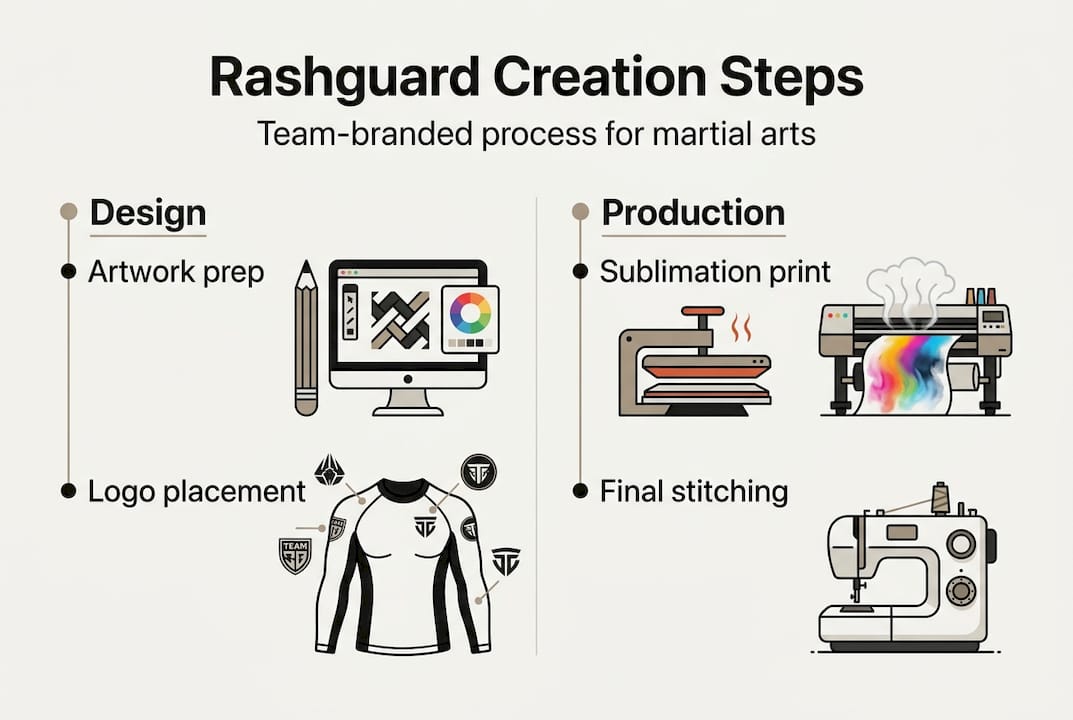
Pro Tip: Partner with custom rashguard suppliers who specialize in martial arts gear rather than general athletic apparel. Their experience with grappling-specific requirements like reinforced stitching and proper stretch zones reduces production errors and ensures your team receives competition-ready gear.
Academies investing in custom rashguards for BJJ teams report higher team cohesion and professional presentation at tournaments. The visual impact of matching, high-quality gear builds team identity while the performance features keep athletes comfortable during intense training.
Preparing your design and artwork for team-branded rashguards
Successful rashguard production begins with properly prepared artwork files. Manufacturers require high-resolution files, preferably in vector format like AI or EPS, to ensure crisp prints at any size. Raster images like JPG or PNG should be at least 300 DPI at the actual print size to avoid pixelation. Low-resolution files produce blurry, unprofessional results that undermine your team's image.
Design placement critically affects both visual impact and garment performance. Strategic placement avoids seams and high-stretch areas where fabric distortion during wear would warp your graphics. Chest logos, back designs, and sleeve graphics must account for how the fabric stretches during movement. Professional manufacturers provide templates showing safe design zones and areas to avoid.
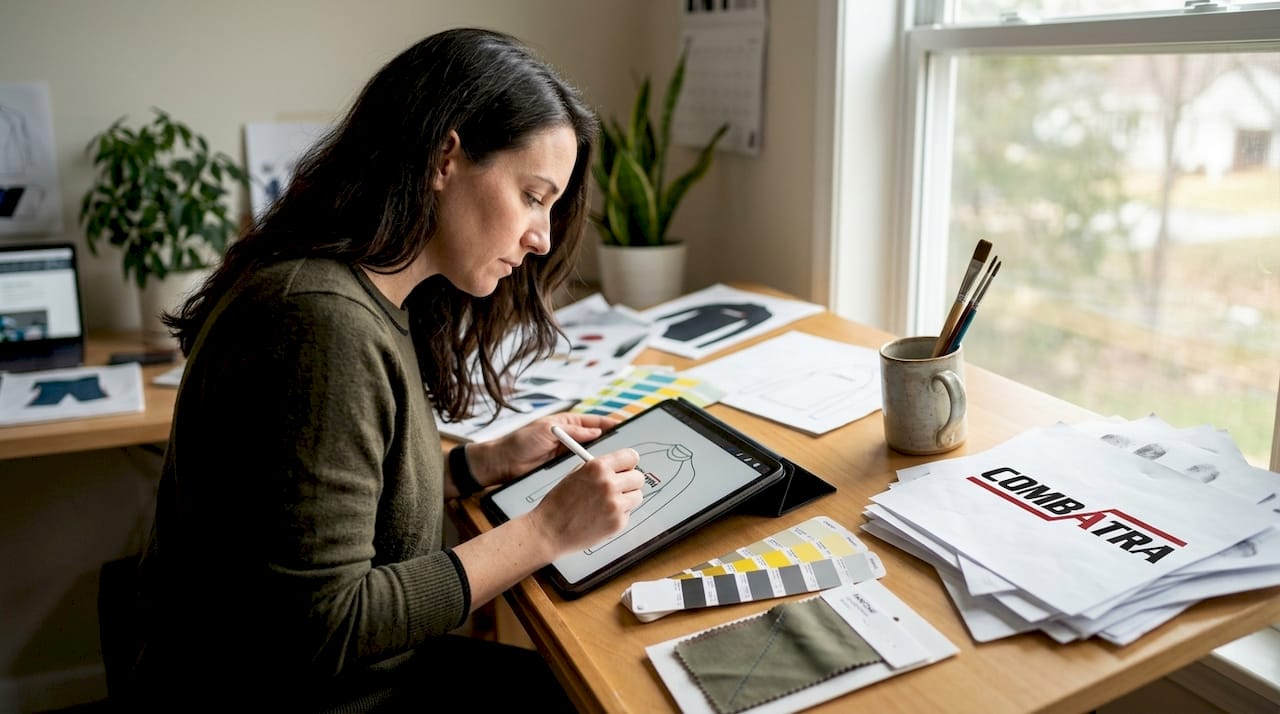
The mockup review process serves as your quality control checkpoint before production begins. After submitting your artwork, manufacturers typically deliver digital mockups within 1-3 days showing exactly how your design will appear on the finished garment. This stage allows you to verify colors, placement, sizing, and overall appearance. Careful mockup review catches errors before they become expensive production mistakes.
| Production stage | Timeline | Key actions |
|---|---|---|
| Design submission | Day 1 | Upload logos, specify colors and placement |
| Mockup creation | Days 2-4 | Manufacturer creates digital preview |
| Review and approval | Days 5-7 | Team reviews and approves or requests changes |
| Production | Weeks 2-6 | Fabric cutting, printing, stitching, quality control |
| Shipping | Weeks 6-8 | Delivery to academy location |
Color accuracy requires attention during the design phase. Digital screens display colors differently than printed fabric. Request a physical color swatch or sample if exact color matching matters for your brand. Pantone color codes help ensure consistency, though slight variations can occur between different fabric batches.
Pro Tip: Coordinate with your team early to finalize logo placements, color schemes, and individual name spellings before submitting artwork. Gathering this information upfront prevents approval delays and revision rounds that extend your timeline. Create a shared document where team members confirm their personalization details to streamline the process.
Following rashguard customization best practices ensures your designs translate effectively from screen to fabric. Consider how designs will look during actual use, not just on a flat template. Athletes wear rashguards fitted tightly to their bodies, so designs should work with the garment's contours.
Competition requirements may restrict your design options. IBJJF rashguard color rules mandate specific requirements including solid base colors and proper rank stripe placement. Review competition guidelines before finalizing designs if your team competes under specific organization rules.
Ordering, production, and ensuring compliance for team rashguards
The ordering process follows a structured sequence that ensures quality results:
- Submit your approved design files and team roster with sizes and personalization details to your chosen manufacturer
- Review and approve the digital mockup, requesting any necessary adjustments to colors, placement, or sizing
- Confirm your order and provide payment, typically requiring a deposit for custom production runs
- Monitor production progress as your rashguards move through cutting, printing, and stitching stages
- Receive quality control photos or updates showing completed samples before final shipping
- Accept delivery and inspect the finished rashguards for quality and accuracy
Production timelines vary by manufacturer capacity and order complexity, but most custom rashguard orders complete within 5-8 weeks total. Rush production may be available for additional fees, though this can compromise quality control steps. Plan your orders well in advance of tournaments or team events to avoid time pressure.
| Printing method | Durability | Design flexibility | Cost | Best for |
|---|---|---|---|---|
| Sublimation | Excellent - permanent bond | Unlimited colors, all-over designs | Moderate | Full team orders, complex graphics |
| Screen printing | Poor - surface cracks | Limited colors, simple designs | Low | Small logos only |
| Vinyl transfer | Poor - peels with friction | Very limited, no gradients | Low | Temporary or sample gear |
Flatlock stitching represents a critical construction detail for grappling sports. This technique creates seams that lie completely flat rather than raised ridges. During ground work, traditional raised seams can chafe skin and catch on opponents or the mat. Flatlock construction prevents these issues while providing superior durability under stress.
Compression fit enhances athletic performance by supporting muscles and improving blood flow during training. The snug fit also prevents the rashguard from bunching or riding up during techniques. Long sleeves provide additional protection against mat burn and skin infections common in close-contact sports. These performance features justify the investment in professional-grade gear over basic athletic shirts.
Competition compliance requires careful attention to organization-specific rules. IBJJF regulations mandate solid-colored rashguards with rank stripes positioned correctly for the athlete's belt level. Some organizations restrict graphics to specific zones or require certain color combinations. Review the competition rulebook for any event where your team will compete before finalizing designs.
Pro Tip: Order a few extra rashguards in common sizes beyond your immediate team roster. New members can receive matching gear immediately rather than waiting for a new production run. Extra inventory also provides replacements if individual rashguards become damaged or lost.
Quality control processes vary by manufacturer but should include inspection of print quality, stitching integrity, and sizing accuracy before shipping. Reputable suppliers photograph completed orders for your approval or provide tracking information so you can monitor delivery progress. Clear communication throughout production prevents surprises and ensures satisfaction.
Exploring custom rashguard options for BJJ athletes reveals the range of personalization possibilities beyond basic team logos. Individual name printing, rank indicators, and custom color blocking allow each athlete to express their identity while maintaining team cohesion.
Common challenges and tips for successful custom rashguard projects
Martial arts academies frequently encounter preventable issues during custom gear production. Understanding these pitfalls helps you avoid delays, quality problems, and wasted investment.
Common design mistakes include:
- Submitting low-resolution logos that appear pixelated when enlarged to garment size
- Placing graphics over seam lines where stitching interrupts the design
- Ignoring high-stretch zones like underarms where designs distort during wear
- Choosing colors that don't meet competition requirements for your organization
- Failing to account for how designs wrap around the body's contours
DIY alternatives like screen printing or vinyl may seem cost-effective initially but create long-term problems. These surface-level printing methods crack and peel after just weeks of training and washing. Screen printing limits you to simple designs with few colors, while vinyl transfers can't accommodate the complex graphics and gradients that make team gear distinctive. The short-term savings disappear when you need to replace failed gear within months.
Pro Tip: Schedule a detailed mockup review meeting with your team leadership before approving production. Display the mockup on a large screen and examine every detail including spelling, color accuracy, and placement. Multiple sets of eyes catch errors that individuals might miss. This 30-minute investment prevents discovering mistakes after receiving 40 rashguards.
Professional sublimation printing costs more upfront than DIY methods, but the investment pays for itself through years of reliable use. Teams that choose quality production avoid the cycle of repeatedly replacing failed gear, ultimately spending less while maintaining a professional appearance throughout the rashguards' lifespan.
Maintaining clear communication with your manufacturer throughout production prevents timeline surprises. Ask for production milestone updates so you know when your order moves from printing to stitching to quality control. Understanding the current status helps you plan distribution to your team and ensures delivery aligns with your needs.
File preparation errors cause the most frequent production delays. Converting your logo to the required format, ensuring proper resolution, and providing all necessary color specifications upfront keeps your project on schedule. Many manufacturers offer design assistance services if you lack in-house graphic design capabilities.
Reviewing rashguard design examples from successful teams provides inspiration while showing what works in real-world competition and training environments. Study how established programs balance bold branding with clean, professional aesthetics.
Size accuracy depends on providing correct measurements from your team. Athletes should measure themselves according to the manufacturer's size chart rather than assuming their usual clothing size. Rashguards fit more snugly than regular shirts, so proper sizing ensures the compression benefits without restricting movement. Collect size information early and verify it before submitting your order.
Budget planning should account for the full project cost including design services, production, shipping, and potential rush fees if needed. Bulk orders reduce per-unit costs significantly, so coordinating a full team order provides better value than individuals ordering separately. Factor in the gear's multi-year lifespan when evaluating cost, as quality rashguards serve your team for seasons rather than months.
Equip your team with premium custom rashguards
Combatra specializes in creating professional martial arts gear that performs as hard as your athletes train. Our custom rashguard production uses premium polyester-spandex blends and professional sublimation printing to deliver designs that last through years of intense training and competition.
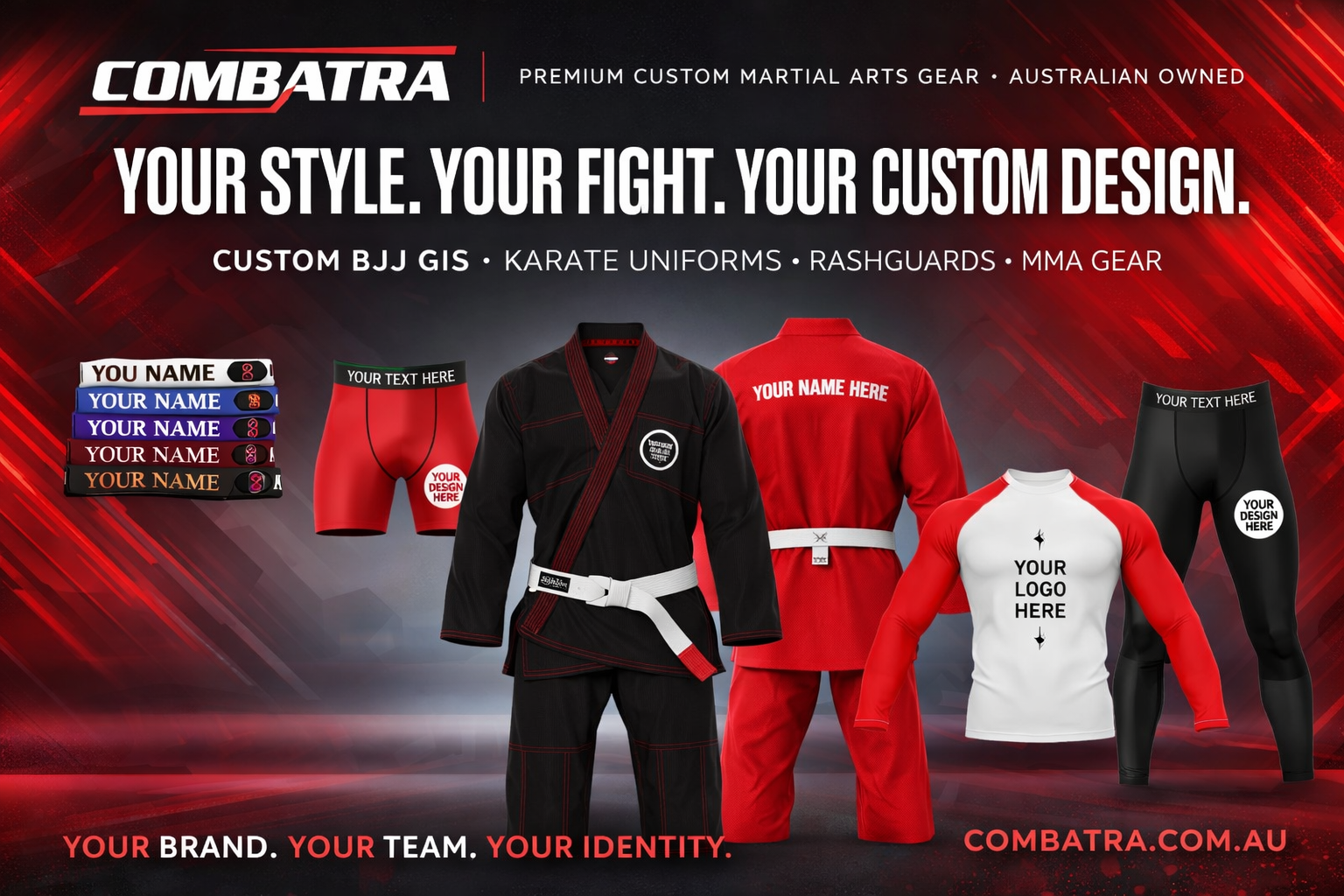
Academy owners can customize every aspect of their team rashguards, from full-color graphics and individual names to competition-compliant designs that meet IBJJF standards. Beyond rashguards, outfit your entire team with custom personalized BJJ gis and custom MMA fight shorts that share your unique branding.
Explore the complete range of Combatra martial arts gear designed specifically for Brazilian Jiu-Jitsu, Karate, and MMA teams. Our production process ensures your vision translates into high-quality gear that builds team identity and withstands the demands of combat sports training.
Frequently asked questions
How long does it take to receive custom team rashguards?
Most custom rashguard orders require 5-8 weeks from design approval to delivery. This timeline includes mockup creation, production, quality control, and shipping. Rush production may reduce this timeframe for additional fees, though standard timelines ensure thorough quality checks.
What are IBJJF rashguard requirements for competition?
IBJJF mandates solid-colored rashguards in specific shades with rank stripes positioned according to belt level. The base color must be at least 90% solid, with rank stripes placed on both shoulders or the waistband. Designs must avoid excessive graphics that violate the solid color requirement.
What file format works best for rashguard designs?
Vector files like AI or EPS provide the best results because they scale without losing quality. If you only have raster files like JPG or PNG, ensure they're at least 300 DPI at the actual print size. High-resolution files prevent pixelation and ensure crisp, professional prints.
How should I care for sublimation-printed rashguards?
Wash rashguards in cold water and hang dry to maximize their lifespan. Avoid fabric softeners and bleach, which can degrade the fabric and affect print vibrancy. The sublimation process creates permanent prints that won't fade with proper care, lasting for years of regular training use.
What affects the cost of custom team rashguards?
Pricing depends on order quantity, design complexity, fabric quality, and production timeline. Bulk orders reduce per-unit costs significantly. Professional sublimation printing costs more than basic methods but provides superior durability and design options, offering better long-term value for teams that train regularly.