
TL;DR:
- UPF ratings indicate how effectively clothing blocks UVA and UVB rays, with UPF 50+ providing over 98% protection.
- Synthetic fibres like polyester and nylon, tight weaves, and darker colors enhance UV protection in sports garments.
- Proper fit and coverage, including features like thumbholes and extended hems, are crucial for reliable outdoor sun safety.
You finish a four-hour outdoor BJJ session, and by the time you roll up your mat, your forearms are burning red and your shoulders feel tight. Sound familiar? For athletes who train, compete, or work outdoors for extended periods, inadequate sun protection is not just uncomfortable — it raises your real risk of skin damage with every session. The right UV protection clothing can change that completely. This guide breaks down exactly what to look for in fabric, UPF ratings, fit, and features, so you can train all day in the Australian sun without compromising your skin or your performance.
Table of Contents
- Understanding UV protection: what matters most
- Selecting the right fabrics and UPF ratings
- Choosing the best fit and features for sports
- Common mistakes and how to verify real protection
- What most athletes get wrong about UV clothing
- Find high-performance UV clothing for your sport
- Frequently asked questions
Key Takeaways
| Point | Details |
|---|---|
| Fibre choice matters | Synthetic fibres like polyester and nylon provide better and longer-lasting UV protection than natural fibres. |
| UPF 50+ is the sweet spot | Most athletes should pick UPF 50+ clothing for effective balance of protection and breathability. |
| Athlete fit equals safety | Snug, full-coverage designs keep both skin safe and mobility high; always check for coverage gaps. |
| Regular checks required | UV clothing needs inspection for wear—replace if it’s faded, stretched, or light passes through easily. |
Understanding UV protection: what matters most
Before you buy another sun shirt, it helps to understand what actually makes clothing protective. Many athletes assume any lightweight long-sleeve top will do the job. That assumption leaves a lot of skin at risk.
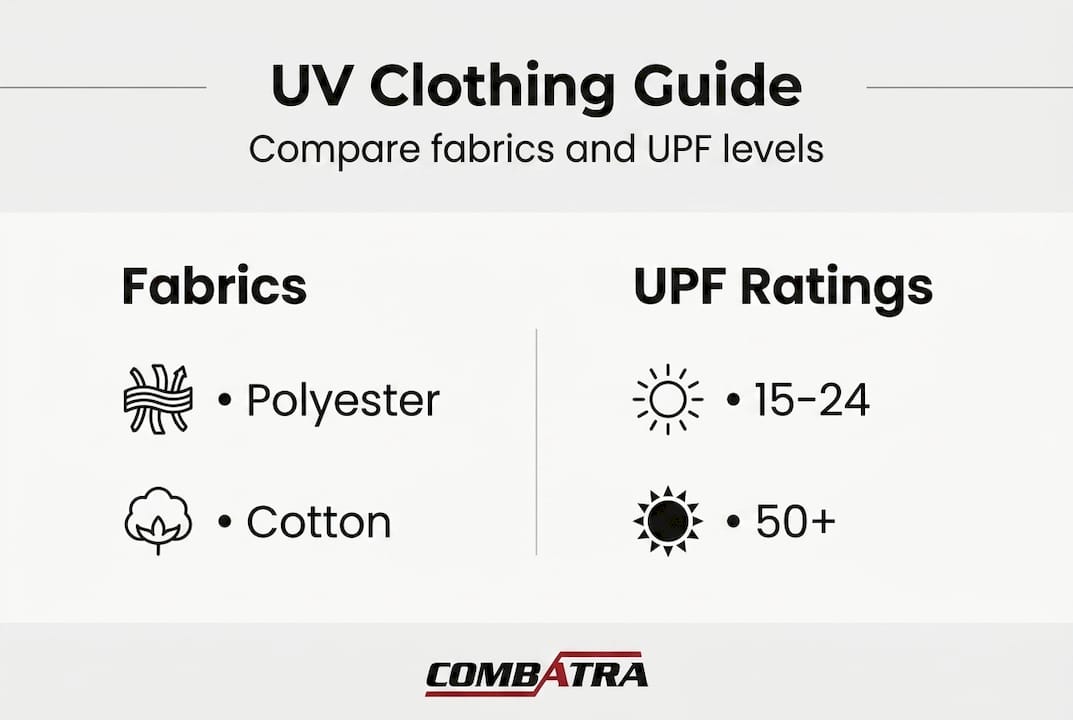
The key measure to look for on a garment label is UPF, which stands for Ultraviolet Protection Factor. Unlike SPF, which applies to sunscreens and refers only to protection against UVB rays, UPF measures how much of the full UV spectrum (both UVA and UVB) a fabric blocks. A garment rated UPF 50+ blocks at least 98% of UV radiation from reaching your skin. That is a meaningful difference from a plain cotton tee, which typically offers UPF 5 to 10 at best.
Understanding how UV clothing works comes down to four core fabric factors:
- Fibre type: Synthetic fibres like polyester and nylon absorb and reflect UV radiation far more effectively than natural fibres. Synthetic fibres like polyester/nylon provide inherent UV protection, while cotton and wool offer very little unless chemically treated.
- Weave density: The tighter the weave, the smaller the gaps between fibres, and the less UV radiation gets through. Loosely woven fabrics can let significant UV pass even if they feel thick.
- Colour: Darker colours, particularly navy, black, and deep red, absorb more UV radiation than light pastels or whites. This surprises many athletes who assume lighter colours are safer.
- Chemical treatments: Some manufacturers add UV-absorbing compounds to fabrics. These can boost UPF significantly, but they tend to wash out over time, unlike the inherent protection of well-chosen synthetic fibres.
"Choose synthetic fibres like polyester or nylon over natural fibres for inherent UV protection; denser weaves, darker colours, and tighter knits enhance blocking." — Cleveland Clinic
One common myth is worth addressing directly. Many athletes believe that wearing a thin, light-coloured shirt in the sun is safer because it feels cooler. In reality, thin and light often means less protection. A well-engineered synthetic rashguard can feel lighter than cotton while offering far superior UV blocking. When choosing UV clothing, prioritise fabric engineering over how the shirt looks on a rack.
| Factor | Higher protection | Lower protection |
|---|---|---|
| Fibre type | Polyester, nylon | Cotton, linen |
| Weave | Tight, dense | Loose, open |
| Colour | Dark (navy, black) | Light (white, pale) |
| Treatment | Chemically enhanced | Untreated natural |
| Condition | New, unwashed | Faded, stretched |
Not all sun shirts sold at sporting retailers are equal. Some carry marketing language like "UV protective" without a verified UPF rating on the label. If you cannot find a certified UPF number on the garment, treat it as unverified and select something else.
Selecting the right fabrics and UPF ratings
With a general sense of what makes clothing UV protective, it is time to focus specifically on fabric choices and UPF labelling.
Research measuring actual UPF performance across real workwear and sun hoodies reveals some important findings. Non-certified work shirts range from UPF 15 to 115, with averages sitting between 48 and 57. Sun hoodies tested across the same study ranged from UPF 15 to 50, with the lower-rated options tending to be lighter and more breathable. For workers in extreme sun exposure conditions measured at 44 standard erythemal doses (SED) per day, UPF 80 or higher was recommended. For most athletes training outdoors in typical Australian conditions, UPF 50+ is the practical sweet spot.
Here is how to read and select UPF ratings confidently:
- Check the label directly. Look for the specific UPF number, not just phrases like "sun protective" or "blocks UV." A UPF 50+ rating should be clearly stated.
- Understand what the number means. UPF 50 blocks 98% of UV. UPF 100 blocks 99%. The jump from 50 to 100 adds marginal protection but can significantly reduce breathability.
- Match the rating to your exposure level. For two-hour morning sessions, UPF 50+ is sufficient. For all-day events in peak summer, consider garments rated UPF 50+ and supplement with sunscreen on exposed skin.
- Consider how the fabric was rated. Inherent fibre protection (built into the fabric structure) lasts the lifetime of the garment. Chemical treatment-based protection degrades with washing and wear.
The best UV protection clothing for athletes combines reliable UPF ratings with performance construction. A garment that blocks UV but restricts your movement or traps heat will not get worn consistently, which defeats the purpose entirely.
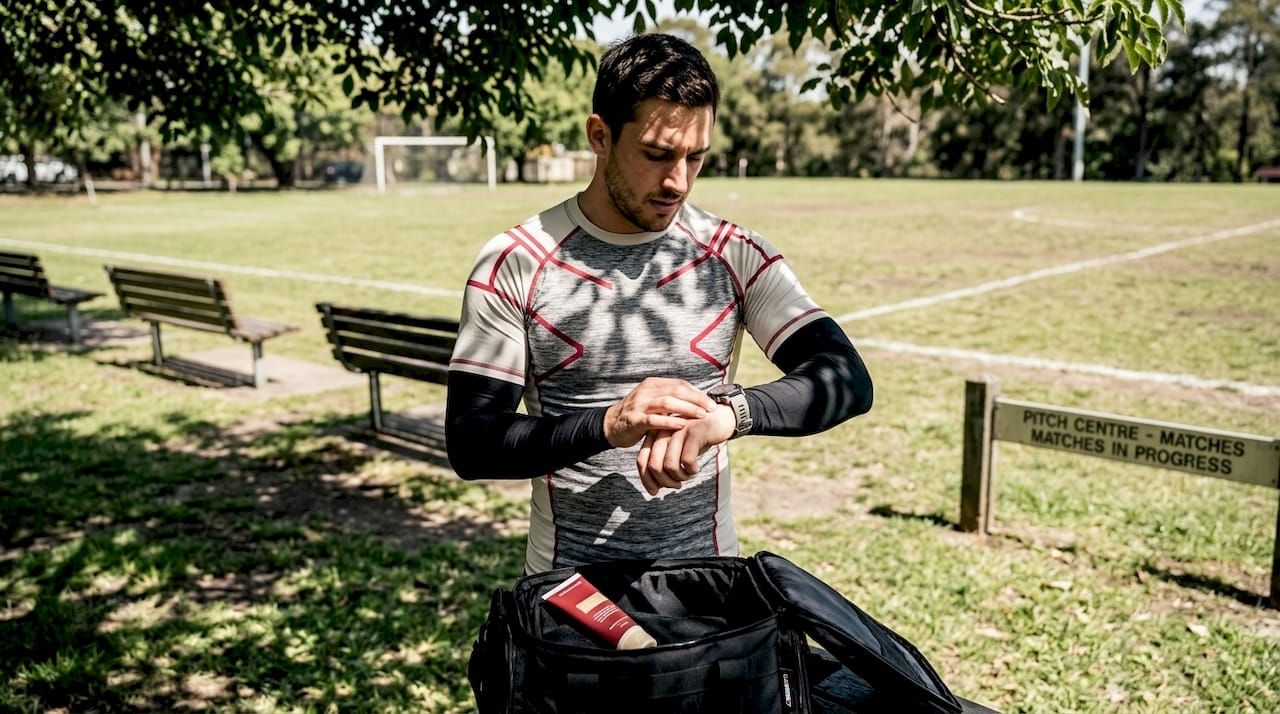
Pro Tip: Choose garments where UV protection comes from the fibre itself rather than a chemical coating. Fabric-based UPF does not wash out, fade, or degrade with repeated hard training sessions the way treated finishes do.
It is also worth noting that UPF ratings are tested on new, dry fabric. Wet fabric can behave differently depending on its construction. High-quality high-quality UV protection clothing made from tightly-knit polyester typically maintains or improves its protection when wet, which matters enormously for water-based sports and sweaty outdoor training.
| UPF rating | UV blocked | Best suited for |
|---|---|---|
| 15 to 24 | 93 to 96% | Casual low-exposure use |
| 25 to 39 | 96 to 97% | Moderate outdoor activity |
| 40 to 50 | 97.5 to 98% | Regular outdoor sports |
| 50+ | 98% or more | All-day sun exposure, Australian conditions |
| 80+ | 98.75% or more | Extreme UV environments, full-day fieldwork |
For most BJJ, MMA, and outdoor training athletes in Australia, UPF 50+ is the target. Going beyond that is rarely necessary unless your sport involves full-day exposure in high-altitude or open-water environments.
Choosing the best fit and features for sports
After selecting the right materials and UPF level, the next priority is athletic fit and features that keep you moving and protected in real-world conditions.
Sun protection clothing that does not fit well for sport will either restrict your movement, shift out of place, or simply get left at home. Coverage gaps are one of the most common reasons athletes end up sunburnt despite wearing a "sun shirt." The shirt rides up. The collar sits too low. The sleeves end above the wrist. Each gap means exposed skin.
For outdoor athletes, these garment features make a genuine difference:
- Long sleeves with thumbholes: Thumbholes lock the sleeve in place over the back of your hand, eliminating the forearm gap that appears during reaching, grappling, or overhead movements.
- Extended rear hem: A longer back hem prevents skin exposure when you bend forward or assume a ground-based position.
- Built-in hood: A hood adds protection across the back of the neck and the tops of the ears, two areas frequently missed by sunscreen application.
- Flat-lock seams: Seams that sit flat against the skin prevent chafing during extended rolling or training sessions. This is especially important in grappling sports where friction is constant.
- Four-way stretch fabric: Full-range movement matters in combat sports. Look for fabric that stretches in all directions without pulling, bunching, or shifting.
- Rapid-dry construction: Wet fabric that clings and drags slows you down and increases skin irritation. Moisture-wicking, fast-drying fabric keeps you comfortable over hours of effort.
The rashguard performance benefits that athletes rely on for grappling translate directly to outdoor sun protection. A well-fitted rashguard designed for rashguards in BJJ provides full-torso and arm coverage that moves with your body, not against it.
For sun protection during outdoor training, combine a high-UPF rashguard with sunscreen on any uncovered areas — face, neck, and hands. Try to avoid the peak UV window between 10 am and 4 pm for multi-hour sessions when possible. When that is not an option, layering a lightweight UV arm sleeve over a rashguard can dramatically extend your covered surface area without adding heat burden.
Pro Tip: Layering a light, high-UPF arm sleeve over a fitted rashguard often gives better all-day protection than a single thick top. You maintain breathability, and coverage stays consistent even when you are moving intensively.
Common mistakes and how to verify real protection
Even after picking the best fabrics and fits, it is easy to fall into traps that leave skin exposed. Here is how to ensure real, lasting protection.
The most frequent mistakes athletes make with UV clothing are not dramatic. They are small, easy to overlook, and cumulative in their damage.
Common errors to avoid:
- Relying on old or faded garments. UV clothing does degrade. Fading, pilling, and fabric thinning all reduce protection. A shirt that offered UPF 50+ when new may provide far less after heavy use.
- Ignoring coverage gaps. The neck, lower back, forearms, and ears are the areas most commonly missed. A good garment addresses these; a generic shirt typically does not.
- Trusting marketing over ratings. Terms like "UV resistant" or "sun-safe" without a certified UPF number are not guarantees of meaningful protection.
- Not accounting for wet fabric performance. Some fabrics lose significant UPF when saturated. Know your fabric type before you rely on it for all-day aquatic or sweat-intensive use.
For verifying whether a garment is still protective, follow these steps:
- Hold it up to bright light. If you can clearly see light passing through the fabric, the weave density is likely insufficient for reliable UV protection.
- Check the seams and high-wear areas. Stretch-stressed seams and underarm zones thin out first. Inspect these regularly.
- Look for colour fading. Significant colour loss often signals UV-absorbing properties have diminished along with the dye.
- Check the tag. If the garment has no UPF certification listed, do not assume it is protective. The tag should state the verified rating clearly.
- Replace after extended hard use. A garment used for multiple outdoor sessions each week will degrade faster than one worn occasionally. Plan to replace high-use UV gear annually or when visible wear appears.
One important data point athletes often overlook: polyester and nylon offer high UV protection, while cotton without chemical treatment remains low in UV blocking regardless of weave. A plain white cotton training shirt provides roughly the same protection as wearing nothing at all in terms of serious UV exposure.
Pairing your garments with information about UPF clothing vs sunscreen helps you build a complete protection strategy rather than relying too heavily on either one alone.
What most athletes get wrong about UV clothing
From our experience working with BJJ practitioners, MMA athletes, and outdoor sports enthusiasts, the most common mistake is not choosing the wrong fabric. It is underestimating how much fit and coverage decisions affect real-world protection.
Many athletes pick a sun shirt based on how it looks or whether it feels cool, then assume their skin is covered. But a shirt that rides up, has no thumbhole, and sits low on the neck leaves the most UV-sensitive zones exposed at exactly the moments when movement pulls coverage out of place.
Another overlooked area is timing and layering. UPF 50+ is genuinely sufficient for most Australian outdoor conditions. But wearing a single well-rated garment does not complete your sun safety system. Sunscreen on face, ears, and hands, along with a cap or hood for head coverage, works together with your garment to close the gaps a shirt alone cannot address.
For BJJ and MMA athletes training outdoors, the good news is that the gear you already use for performance can double as your primary UV shield. A properly fitted, long-sleeved rashguard designed for grappling covers your arms and torso completely, moves without restriction, and manages sweat well enough for hours of wear. Pairing smart rashguard selection tips with an understanding of exposure timing gives you a genuinely effective system, not just a single protective layer.
The athletes who stay protected long-term are the ones who treat sun safety as a complete set of decisions, not a single product choice.
Find high-performance UV clothing for your sport
Ready to upgrade your sun safety and performance together?
At Combatra, we build UV protection into every garment from the ground up. Our rashguards, compression tops, and arm sleeves are constructed from high-performance synthetic fabrics that carry genuine UPF 50+ ratings, not just marketing language. Each piece is designed for the specific demands of BJJ, MMA, karate, and extended outdoor training, where movement range, sweat management, and all-day comfort all matter. You can also personalise your gear with your name, academy logo, and colours. Explore our full range of UV protective rashguards and compression wear to find the right fit for your training and your conditions.
Frequently asked questions
What is the best UPF rating for all-day outdoor sports in Australia?
A UPF rating of 50+ is sufficient for most outdoor sports, but for extreme or full-day sun exposure, UPF 80+ may offer additional protection where standard conditions are particularly harsh.
Does wearing a rashguard offer enough UV protection for BJJ or MMA outdoors?
Yes, a rashguard made from high-UPF synthetic fibres provides excellent protection, and combining it with sunscreen on exposed areas covers what clothing alone cannot reach.
How do I know if my UV shirt is still protecting me?
Check for fading, thinning fabric, or stretched seams; if sunlight passes clearly through the material, the protection from polyester/nylon has likely degraded and the garment needs replacing.
Do all sports shirts labelled "UV protection" perform equally well?
No, actual protection varies significantly; only garments with a verified UPF rating of 50+ and tightly-knit synthetic construction reliably deliver consistent, all-day UV blocking.