
TL;DR:
UPF 50+ ratings are essential for reliable UV protection during outdoor sports.
Fabric type, fit, and verified ratings determine the sleeve’s effectiveness in real conditions.
Properly fitted, high-quality sleeves offer better protection than relying solely on sunscreen.
Not all UV arm sleeves are created equal, and choosing the wrong pair can leave you exposed when it matters most. Whether you’re training BJJ outdoors, running trails under the Australian sun, or working through a long karate session, your arm protection needs to actually work. Many athletes grab the first sleeve they find, trusting marketing claims without checking the numbers. This guide cuts through the noise. You’ll learn exactly what to look for in a UV arm sleeve, how to compare your options, and how to match your gear to your sport, climate, and body. Let’s make sure your next purchase is one you can genuinely rely on.
Table of Contents
-
Sleeves vs shirts vs sunscreen: How to choose the right coverage
-
Why most people get UV sleeve selection wrong (and how to get it right)
Key Takeaways
| Point | Details |
|---|---|
| Check UPF verification | Always ensure arm sleeves have a tested and clearly labelled UPF rating of 50+. |
| Choose sleeve for activity | Select materials and fits designed for your specific sport or climate to maximise comfort and protection. |
| Balance sleeves with coverage | UV sleeves work best when paired smartly with shirts or sunscreen for complete protection. |
| Prioritise comfort in use | A secure fit and moisture-wicking design are must-haves for athletes training in the sun. |
Understanding UV protection: What really matters
UV stands for ultraviolet radiation, the invisible energy from the sun that damages skin over time. There are two main types to know: UVA, which ages skin and penetrates deeply, and UVB, which burns the surface. Both are present year-round in Australia, and both cause long-term harm with repeated exposure.
For garments, the key measurement is UPF, which stands for Ultraviolet Protection Factor. UPF tells you how much UV radiation a fabric blocks. A sleeve rated UPF 50+ blocks more than 98% of UV rays, allowing less than 2% to pass through. That’s the gold standard for outdoor athletic gear.
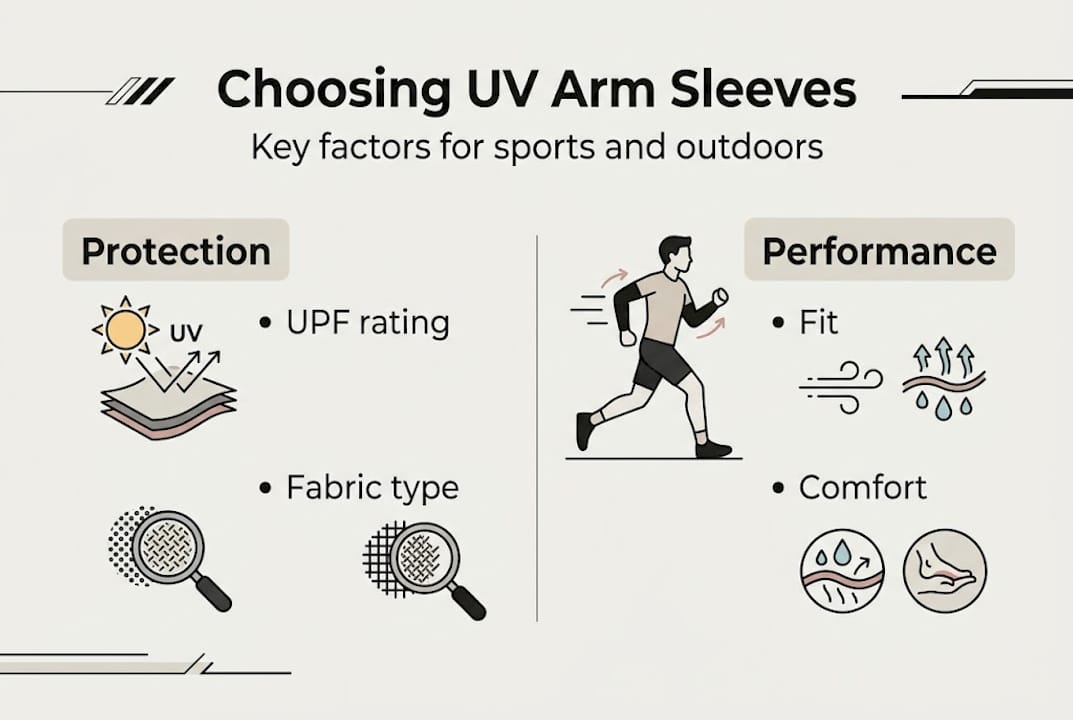
Here’s where things get tricky. Not all sleeves are UPF-rated, and verifying claims before you buy is crucial. Some products use vague language like “UV-resistant” or “sun-protective” without any certified rating behind it. That’s not the same as a verified UPF 50+ label.
Understanding UPF 50 clothing is especially important for athletes who train in direct sunlight for extended periods. A sleeve that drops to UPF 15 when wet or stretched is far less useful than one that maintains its rating under real conditions.
What to look for on product labels:
-
A clear UPF number (ideally 50+)
-
Third-party or laboratory testing certification
-
Fabric composition listed (polyester or nylon blends typically perform best)
-
Care instructions that preserve UV protection after washing
-
Country of manufacture and compliance with Australian standards
| Sleeve type | Typical UPF rating | Industry best practice |
|---|---|---|
| Generic unbranded sleeve | UPF 15 to 30 | Not recommended |
| Standard sports sleeve | UPF 30 to 40 | Acceptable for low exposure |
| Performance athletic sleeve | UPF 40 to 50 | Good for moderate outdoor use |
| Premium rated sleeve | UPF 50+ | Recommended for all outdoor sport |
“Checking UPF credentials before purchasing is one of the most important steps an athlete can take. A sleeve without verified ratings may offer little more protection than bare skin under intense sun.” — UV protection specialist
For a deeper look at what UPF 50 rashguard meaning translates to in real training conditions, it’s worth understanding how fabric construction affects the final rating.
Key factors to consider when choosing UV arm sleeves
Now that you understand UV ratings, it’s time to look at the concrete considerations every athlete should weigh before buying.
The UPF rating is your starting point, but it’s only one piece of the puzzle. Fabric type, sleeve length, moisture management, and elasticity all affect whether a sleeve actually performs during training. Some sleeves are ideal for hot climates or versatile use, but others may not offer full coverage or have verified UPF credentials.
Comparing common sleeve materials:
| Material | UPF performance | Moisture-wicking | Durability | Best for |
|---|---|---|---|---|
| Polyester | High | Excellent | High | Outdoor sport, martial arts |
| Nylon | High | Good | High | Endurance, trail sports |
| Polyester/nylon blend | Very high | Excellent | Very high | All-round athletic use |
| Cotton | Low | Poor | Moderate | Casual, low-activity use |
For athletes, polyester and nylon blends consistently outperform cotton. Cotton absorbs sweat, loses shape, and its UPF rating drops significantly when wet. For BJJ, MMA, or outdoor running, that’s a real problem.
When it comes to whether UV arm sleeves are worth it for your specific sport, the answer almost always comes down to fit and fabric quality.
Steps for evaluating sleeve fit and staying power:
-
Put the sleeve on and extend your arm fully. It should not bunch or shift.
-
Rotate your shoulder and elbow through full range of motion. No restriction should occur.
-
Check the cuff grip. It should hold without cutting off circulation.
-
Simulate a training movement. For martial arts, throw a punch or reach for a grip.
-
Check coverage. The sleeve should cover from wrist to upper arm without gaps.
-
Test after light moisture. Wet the sleeve slightly and check that it doesn’t sag or lose shape.
For athletes deciding between compression vs loose sleeves, compression options generally stay in place better during high-movement sports.
Pro Tip: If a product page doesn’t list a specific UPF number, contact the manufacturer directly. Legitimate brands will have lab reports available. If they can’t provide one, move on.
Sleeves vs shirts vs sunscreen: How to choose the right coverage
Having compared sleeve options, let’s see how they stack up against shirts and sunscreen.
Each protection method has real strengths and genuine limitations. The right choice depends on your sport, the duration of exposure, and the conditions you’re training in.
Key advantages by condition:
-
UV arm sleeves (hot conditions): Lightweight, breathable, easy to remove, allow ventilation on the torso, ideal for sports with arm-heavy movement
-
Long-sleeve rashguards (extended exposure): Full upper-body coverage, consistent protection, great for open-water, surfing, or long outdoor sessions
-
Sunscreen (supplementary use): Covers areas clothing can’t reach, including the face, neck, and hands, but requires reapplication every two hours
-
Layering both: Best approach for Australian conditions where UV index regularly hits extreme levels
A common athlete mistake is relying entirely on sunscreen during long outdoor sessions. Sunscreen protection fades with sweat and water exposure, and many athletes miss spots on the forearms and shoulders entirely.
For a detailed breakdown of compression sleeves vs rashguards in outdoor training, the differences in coverage and comfort become very clear. And if you’re weighing up UPF clothing vs sunscreen, clothing consistently wins for sustained protection during activity.
For cooler mornings or overcast days, long sleeve rashguards offer an excellent full-arm solution that doesn’t rely on reapplication.
Pro Tip: In Australia, the UV index can reach extreme levels even on cloudy days. Always layer sleeves with sunscreen on exposed areas like the neck and hands. Don’t assume cloud cover reduces your risk significantly.
Fit, comfort, and performance: Real-world tips for athletes
Once you’ve narrowed down your sleeve and coverage type, nailing the right fit and performance details makes the biggest real-world difference.
Proper fit and comfort are key to effectiveness and athletic performance. A sleeve that slips, chafes, or overheats you mid-session is one you’ll stop wearing. And a sleeve you stop wearing offers zero protection.
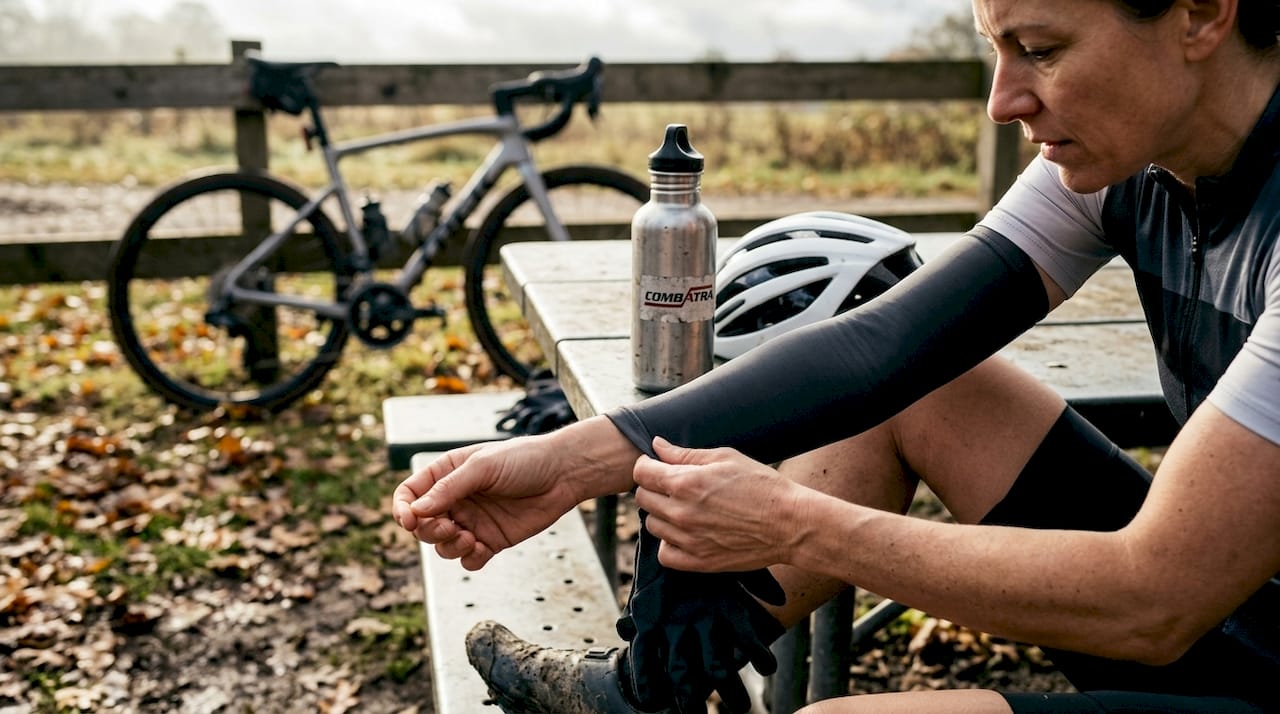
Chafing usually occurs at the cuff edges or where the sleeve meets the elbow. Look for flat-lock stitching and seamless construction in high-friction zones. Overheating is a sign of poor breathability. Fabrics with open-weave construction or moisture-wicking channels move heat away from the skin more effectively.
Comfort features to prioritise for high-movement sports:
-
Flat-lock or seamless stitching at cuffs and elbow zones
-
Four-way stretch fabric that moves with you
-
Moisture-wicking surface that pulls sweat away from skin
-
Silicone grip bands at cuffs to prevent slippage
-
Lightweight construction under 100 grams per sleeve
-
UPF rating that holds after repeated washing
Sleeve fit does change over time. Repeated washing, especially in hot water, can cause elastic fibres to break down. This reduces both the compression fit and the UV protection level. Always wash sleeves in cold water and air dry where possible.
For athletes looking at best UV sleeve picks across different sports, the construction quality of the cuff and the elasticity of the fabric are the two factors that most affect longevity.
If you’re a runner, the running in sun guide covers sleeve selection in detail alongside full kit recommendations. Cyclists will find equally specific advice in the UV clothing for cyclists guide.
Pro Tip: After every 30 washes, hold your sleeve up to a bright light. If you can see light passing through the fabric easily, the UV protection has likely degraded. Replace it before your next outdoor session.
Why most people get UV sleeve selection wrong (and how to get it right)
Here’s the uncomfortable truth: most athletes choose UV sleeves based on brand recognition or aesthetics, not protection credentials. Marketing has made “UV protective” sound like a standard feature, when in reality it varies enormously between products.
We’ve seen athletes train for years in sleeves that offered minimal verified protection, simply because the product looked the part. The UPF label on the tag was either absent or unverified. That’s a real gap in protection that adds up over hundreds of training sessions.
The other mistake is underestimating how fit affects adoption. A sleeve that’s slightly too tight or tends to roll down will get removed within 20 minutes of training. At that point, it doesn’t matter what the UPF rating was.
The athletes who get this right are the ones who treat sleeve selection the same way they treat choosing a mouthguard or training shoe. They check the specs, verify the credentials, and test the fit under real conditions. Looking at UV gear for workers who rely on sun protection all day offers a useful model: they prioritise verified ratings and practical comfort above all else. That’s the mindset worth borrowing.
Where to find reliable UV arm sleeves for your sport
With all that in mind, here’s where to start shopping for sleeves and other gear you can rely on.
Combatra builds performance gear specifically for athletes who train hard and spend time in the sun. Every product is designed around real movement, verified UPF 50+ protection, and the durability demands of combat sports and outdoor training.
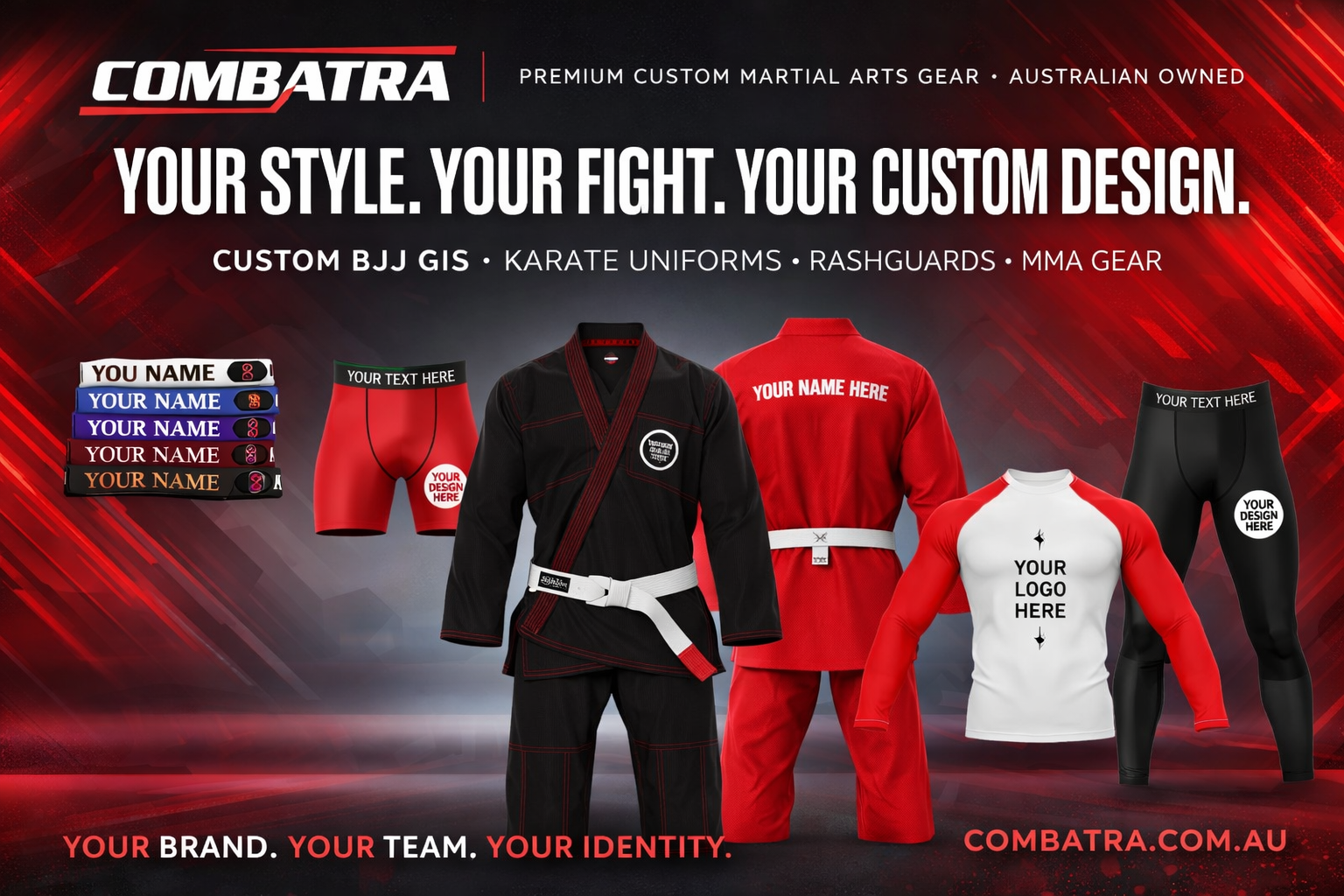
Whether you train BJJ, MMA, karate, or take your sport outdoors, Combatra’s range covers your needs. You’ll find gear built for the conditions you actually train in, not just the ones that look good in product photos. Pair your sleeves with BJJ Gi pants for full training kit, or explore sports bras and MMA shorts to round out your outdoor training wardrobe with gear that genuinely performs.
Frequently asked questions
What UPF rating should UV arm sleeves have for effective sun protection?
A UPF rating of 50+ is recommended to ensure effective blocking of harmful UV rays during outdoor or athletic activity. Anything below UPF 30 is generally considered insufficient for extended sun exposure during sport.
How do I check if UV sleeves really provide sun protection?
Look for a clearly labelled UPF number and verify it against manufacturer or third-party testing documentation, not just general fabric claims. Legitimate brands will provide lab certification on request.
Are UV arm sleeves better than long-sleeve shirts for sport?
UV sleeves are more versatile and breathable for hot or high-movement sports, while shirts offer fuller coverage for extended upper-body exposure. The best choice depends on your sport and the duration of sun exposure.
How should UV arm sleeves fit during training?
They should fit snugly without restricting movement or causing discomfort. Look for options with elastic cuffs, four-way stretch fabric, and flat-lock stitching to ensure they stay in place through the full range of athletic motion.