
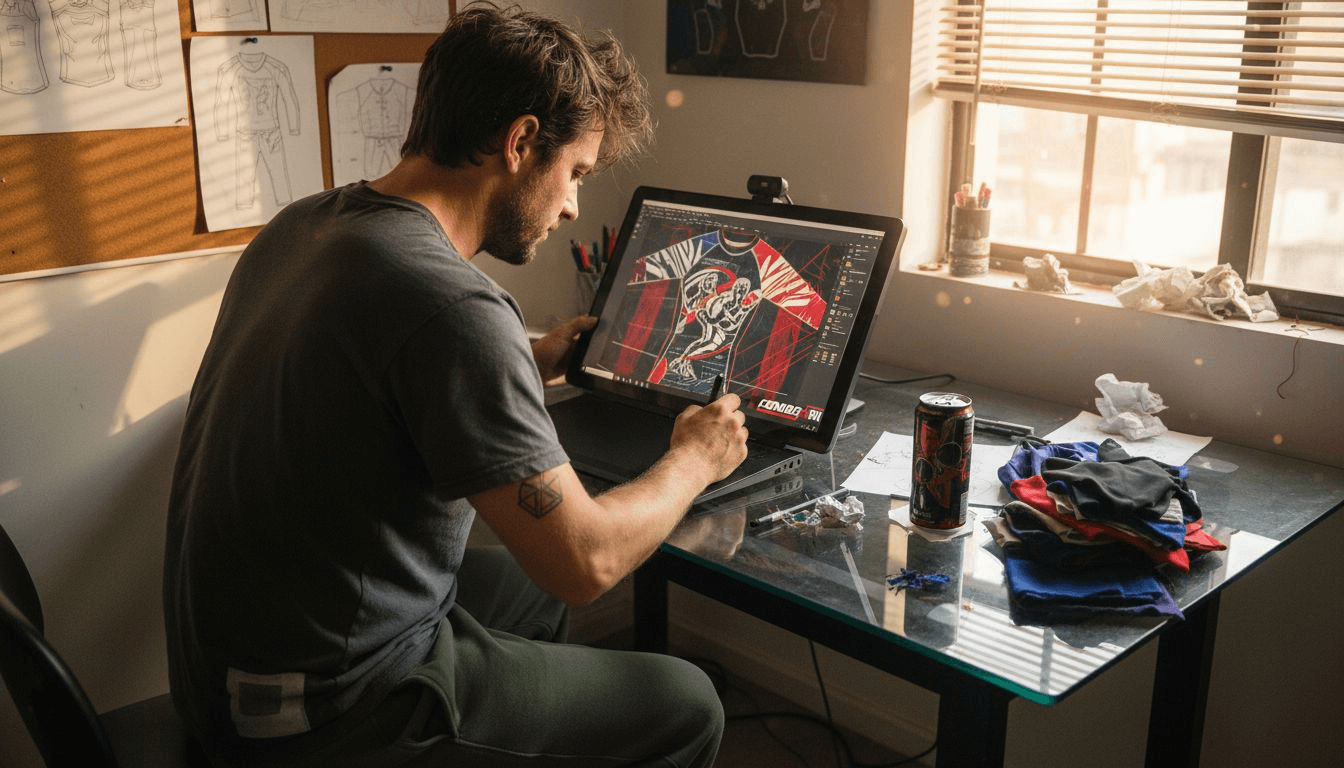
You spent $60 on a custom rashguard only to see the design crack and fade after three months of training. Understanding how rashguards are manufactured helps you avoid this frustration and choose gear that lasts. This guide walks you through fabric selection, printing technologies, the complete production workflow, and care practices so you can confidently order durable custom rashguards that support your performance and personal branding in Brazilian Jiu-Jitsu.
Table of Contents
- Material Requirements And Fabric Selection
- Custom Printing Methods And Technologies
- Step-By-Step Manufacturing Workflow
- Cost And Timeline Expectations
- Common Mistakes And Troubleshooting
- Care And Durability Of Custom Rashguards
- Conclusion And Next Steps
- Explore Custom Rashguards And Apparel At Combatra
- Frequently Asked Questions
Key takeaways
| Point | Details |
|---|---|
| Sublimation printing bonds dye into polyester fibers permanently for vibrant, long-lasting designs that resist cracking. | |
| Polyester-spandex blends above 50% polyester content are essential for print quality and athletic performance. | |
| Manufacturing involves design digitization, heat-press printing, precise cutting, reinforced sewing, and rigorous quality control. | |
| Custom rashguards typically cost $40 to $90 with a 7 to 14 day production timeline after design approval. | |
| Proper washing and air drying extend rashguard life beyond 12 months even with frequent training use. |
Material requirements and fabric selection
Polyester-spandex blends dominate custom BJJ rashguards because they deliver the stretch, durability, and sublimation compatibility athletes need. Most quality rashguards use fabric with polyester content above 87% blended with 10 to 15% spandex for flexibility. This composition allows the garment to move with your body during rolls while maintaining shape after repeated washing.
Fabric must balance breathability with moisture-wicking properties to keep you comfortable during intense training sessions. Polyester naturally pulls sweat away from skin and dries quickly between rounds. The spandex component provides four-way stretch so the rashguard never restricts your movements during guard passes or submissions.
Sublimation printing only works on fabrics with at least 50% polyester content, but professional manufacturers prefer blends above 80% for optimal color vibrancy and print permanence. Lower polyester percentages produce dull colors and prints that fade rapidly. Cotton blends cannot accept sublimation dye at all, making them unsuitable for custom designs.
Poor fabric choices lead directly to garment failure. A rashguard with insufficient spandex loses compression and sags within weeks. Fabrics below 50% polyester cannot hold sublimated designs properly, causing your custom artwork to look washed out from day one. Weak or loosely woven fabrics pill and tear at stress points during grappling.
Pro Tip: Always request fabric samples before placing large orders to verify the material feels right and has proper stretch recovery. A quality custom rashguard compression top should snap back to shape immediately when stretched. Check our rashguard selection guide 7 tips bjj for detailed fabric specifications.
Custom printing methods and technologies
Sublimation printing uses heat and pressure to convert solid dye into gas that penetrates polyester fibers at the molecular level. The dye bonds chemically into fibers creating permanent, vibrant designs that resist cracking or peeling even after 50 washes. This process happens at temperatures around 400 degrees Fahrenheit in specialized heat presses that apply even pressure across the entire fabric surface.
Unlike screen printing or direct-to-garment methods, sublimation becomes part of the fabric rather than sitting on top. Screen printing layers thick ink onto the surface which cracks and fades after fewer than 20 washes under normal training conditions. The ink restricts fabric stretch and creates stiff patches that feel uncomfortable during movement.
Direct-to-garment printing sprays water-based ink onto fabric surfaces using modified inkjet technology. This method works well on cotton but performs poorly on polyester-spandex blends required for athletic wear. DTG prints on synthetic fabrics lack durability and wash out quickly, making them a poor choice for any guide to custom rashguards bjj athletes would recommend.
| Printing Method | Durability | Color Range | Fabric Compatibility | Cost |
|---|---|---|---|---|
| Sublimation | Excellent (50+ washes) | Unlimited | Polyester only | Medium |
| Screen Printing | Poor (15-20 washes) | Limited by screens | Any fabric | Low to medium |
| Direct-to-Garment | Fair (25-30 washes) | Good | Cotton preferred | Medium to high |
Pro Tip: Always choose sublimation printing for custom BJJ rashguards to ensure your team logo or personal design maintains bright colors and sharp details throughout the gear's lifespan. The slightly higher upfront cost pays for itself through extended durability.
Step-by-step manufacturing workflow
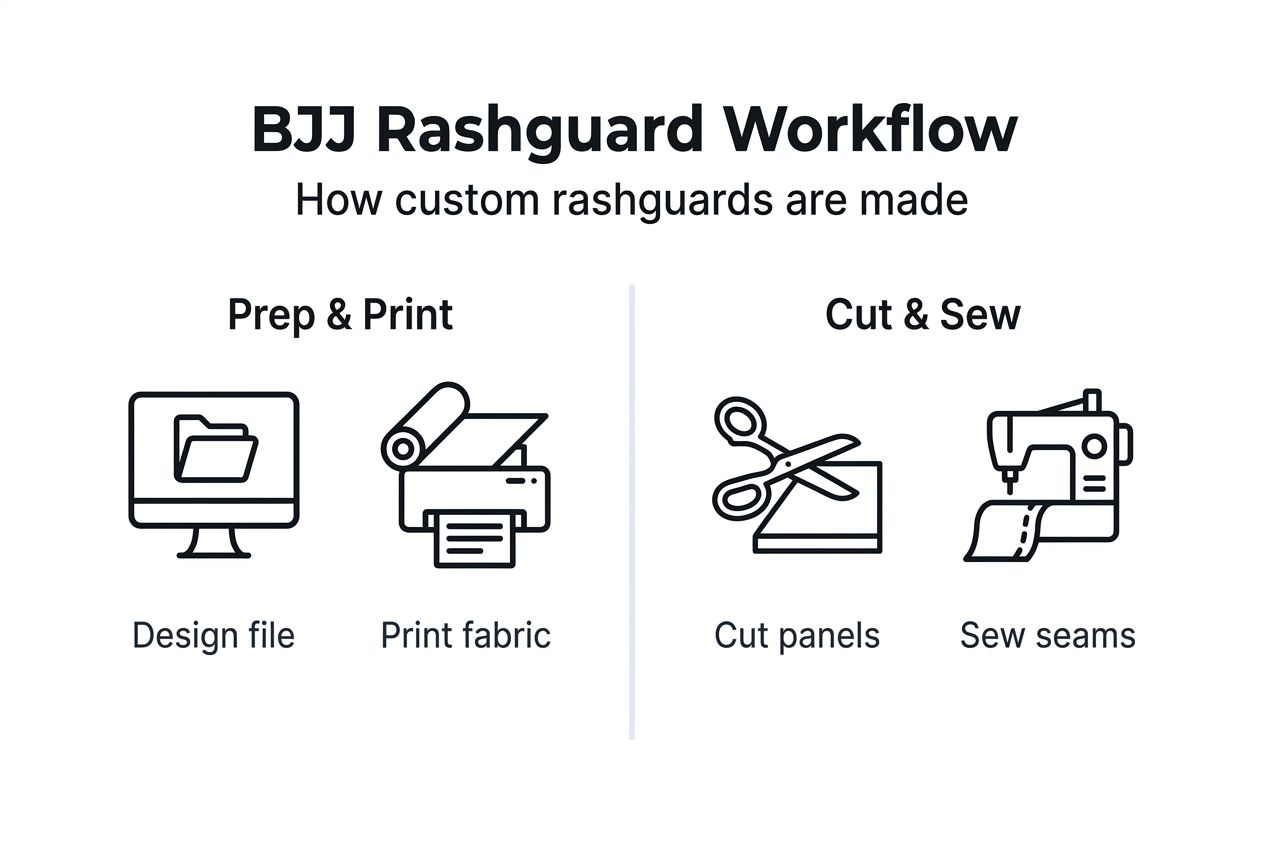
The manufacturing process begins with design digitization where your artwork gets converted into high-resolution files optimized for sublimation printing. Designers verify color profiles match your specifications and ensure resolution meets minimum standards of 150 to 300 DPI for sharp prints. Any design flaws get corrected at this stage before moving to production.
Next, manufacturers print designs onto polyester fabric sheets using large format sublimation printers. These industrial machines apply sublimation ink in precise patterns across rolls of white polyester fabric. The printed fabric then moves to heat press stations where temperatures reach 400 degrees Fahrenheit, converting ink to gas that bonds permanently into the fibers.
After printing and heat pressing complete, workers cut the printed fabric into pattern pieces following precise templates for each rashguard size. Computerized cutting machines ensure accuracy within millimeters so pieces align properly during assembly. Small size variations at this stage cause fit problems in the finished garment.
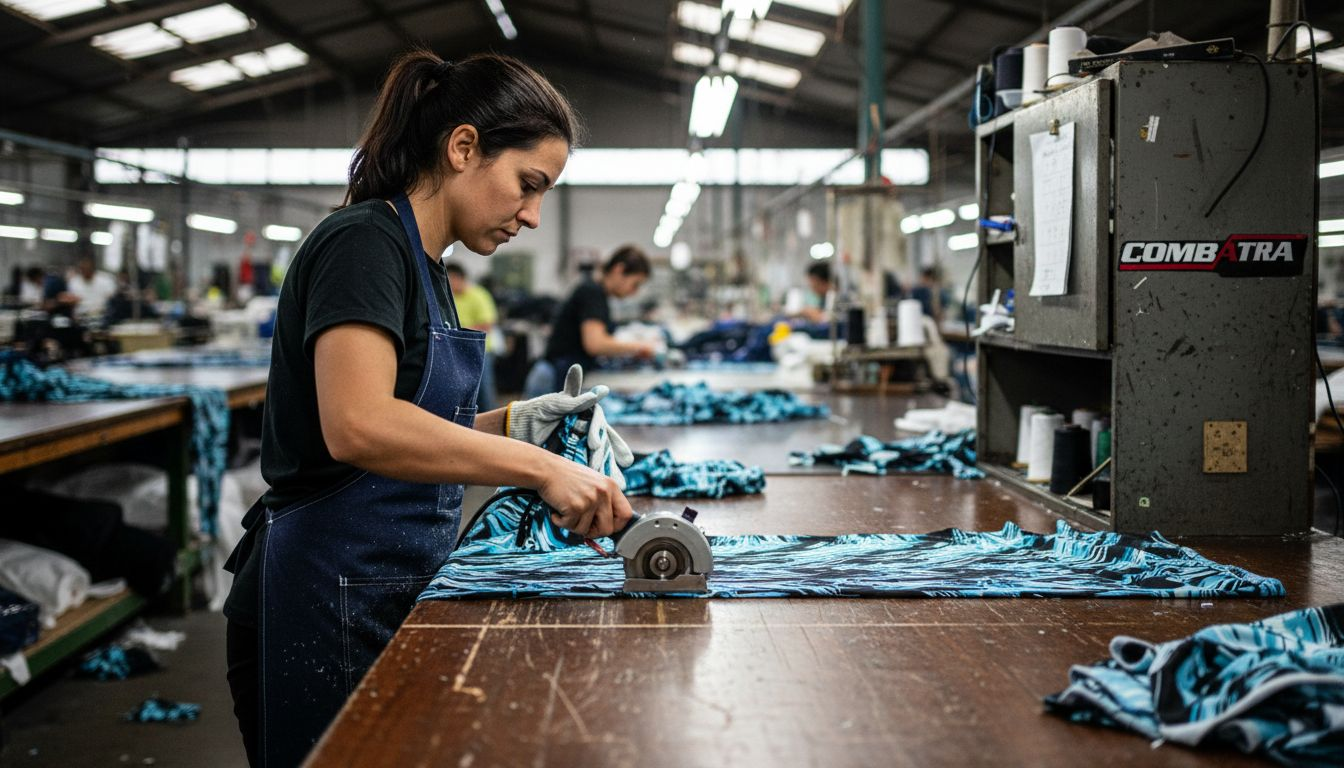
Sewing represents the most labor-intensive manufacturing phase. Skilled operators use flatlock or reinforced seams to join fabric pieces, paying special attention to high-stress areas like shoulders and side panels. Quality manufacturers double-stitch critical seams to withstand the pulling and stretching of grappling. This step determines whether your rashguard survives six months or six years of training.
Final quality control inspects each completed rashguard for color accuracy, seam integrity, proper sizing, and print defects. Inspectors check that designs align correctly across seams and that no loose threads or skipped stitches exist. Garments failing inspection get reworked or discarded. The step-by-step rashguard customization guide provides additional details on each production phase.
Typical production turnaround runs 7 to 14 days from design approval through final quality control and shipping preparation. Rush orders may complete faster for premium fees while complex designs with multiple color zones might require extra time.
Cost and timeline expectations
Custom BJJ rashguards typically cost between $40 and $90 per unit depending on fabric quality, design complexity, and order volume. Basic single-color designs on standard polyester-spandex blends fall at the lower end while intricate multi-color patterns with premium moisture-wicking fabrics reach higher price points. Most manufacturers offer volume discounts, with orders above 20 units reducing per-piece costs by 15 to 30%.
Standard production timelines span 7 to 10 business days after artwork approval, though some suppliers extend this to 14 days during busy seasons. Rush production adds 30 to 50% to base costs but can deliver finished rashguards in 3 to 5 days. International shipping adds another 5 to 14 days depending on destination and customs processing.
Several factors influence both cost and production time:
- Fabric composition and weight affect material costs and printing difficulty
- Design complexity including number of colors and fine details
- Order quantity with larger batches reducing per-unit costs
- Seam reinforcement requirements for high-stress applications
- Shipping method selection between standard and expedited delivery
- Customization level such as individual names versus team designs
Complicated designs featuring photographic elements or gradient color transitions require extra setup time and careful quality control, potentially adding 2 to 3 days to production schedules. Similarly, adding individual athlete names or numbers to each rashguard increases customization time compared to identical team designs.
The custom bjj rashguard supplier guide helps you evaluate different manufacturers based on pricing structures and delivery capabilities. Budget an extra week beyond quoted timelines for first-time orders to account for potential design revision cycles.
Common mistakes and troubleshooting
Poor design choices create the most frequent issues with custom rashguards. Low contrast between background colors and design elements makes logos or text nearly invisible under gym lighting. Design errors account for 15% of returns according to custom apparel manufacturers. Athletes ordering black text on dark blue backgrounds discover their personalization disappears in photos and during competition.
Choosing fabrics with insufficient polyester content produces disappointing results even with perfect designs. Blends below 50% polyester cannot properly accept sublimation dyes, resulting in faded, washed-out colors from the first wear. The print may also crack or peel because the dye never bonded correctly into the fiber structure.
Inadequate seam reinforcement leads to premature tearing at shoulders, underarms, and side panels where grappling creates maximum stress. Single-stitch construction fails within months of regular training. Quality rashguards require flatlock seams or double stitching at all stress points to survive repeated washing and intense use.
Ignoring care instructions accelerates both fabric breakdown and color fading. Machine drying at high heat damages spandex fibers and causes prints to fade noticeably. Using bleach or harsh detergents strips color and weakens fabric integrity. Many athletes unknowingly destroy their custom gear through improper maintenance.
Common troubleshooting steps include:
- Request design mockups on actual fabric colors before approving production
- Verify fabric specifications list at least 80% polyester content
- Inspect sample garments for double-stitched seams at stress points
- Follow manufacturer care labels exactly to preserve print quality
- Order one test piece before committing to large team orders
Pro Tip: Work directly with your supplier to review design files and fabric samples before production starts. This collaboration prevents most quality issues and ensures you receive rashguards matching your expectations. The guide to custom rashguards bjj athletes covers additional quality checkpoints.
Care and durability of custom rashguards
Proper washing extends rashguard lifespan well beyond 12 months even with daily training. Always turn rashguards inside out before washing to protect the printed surface from abrasion against other garments. Cold water washing prevents color fading and maintains spandex elasticity better than warm or hot water cycles.
Avoid bleach and fabric softeners completely as both chemicals degrade sublimated prints and break down spandex fibers. Bleach causes permanent discoloration while fabric softener leaves residue that reduces moisture-wicking performance. Use mild detergents designed for athletic wear or simple soap alternatives.
Never tumble dry custom rashguards. High heat damages spandex and causes prints to fade noticeably after just a few dryer cycles. Air drying in shade preserves both fabric stretch and color vibrancy. Direct sunlight during drying can fade colors over time, so indoor or shaded outdoor drying works best.
Expected lifespan reaches 12 to 18 months with proper care even under frequent training conditions. Athletes training five to six days weekly report rashguards maintaining compression and print quality well into the second year when following correct care procedures. Neglecting care instructions reduces this to 4 to 6 months.
Key care practices include:
- Wash inside out with cold water immediately after training
- Skip fabric softeners and bleach entirely
- Air dry flat or hanging in shaded areas
- Store folded rather than bunched to maintain shape
- Rotate between multiple rashguards to reduce wear on single garments
- Hand wash when possible for maximum garment longevity
The rashguard selection guide 7 tips bjj provides additional maintenance strategies for competition and training gear.
Conclusion and next steps
Understanding the complete manufacturing process from fabric selection through quality control empowers you to make informed decisions about custom rashguards. Choosing polyester-spandex blends with proper composition ensures sublimation printing creates vibrant, durable designs that withstand intense training. The manufacturing workflow involving digitization, heat-press printing, precise cutting, reinforced sewing, and thorough inspection produces rashguards built to last.
Selecting sublimation over screen printing or direct-to-garment methods guarantees your custom designs maintain color and detail through countless washes and rolls. Realistic expectations about costs ranging from $40 to $90 and timelines spanning 7 to 14 days help you plan team orders or personal gear purchases effectively.
Apply this knowledge by carefully reviewing fabric specifications, collaborating with manufacturers on design details, and following proper care instructions. Your investment in quality custom rashguards pays dividends through extended gear life and professional appearance during training and competition.
Explore custom rashguards and apparel at Combatra
Combatra specializes in premium custom rashguards engineered for Brazilian Jiu-Jitsu athletes who demand both performance and personalization. Our custom rashguard compression top uses professional-grade polyester-spandex blends and sublimation printing to deliver designs that last.
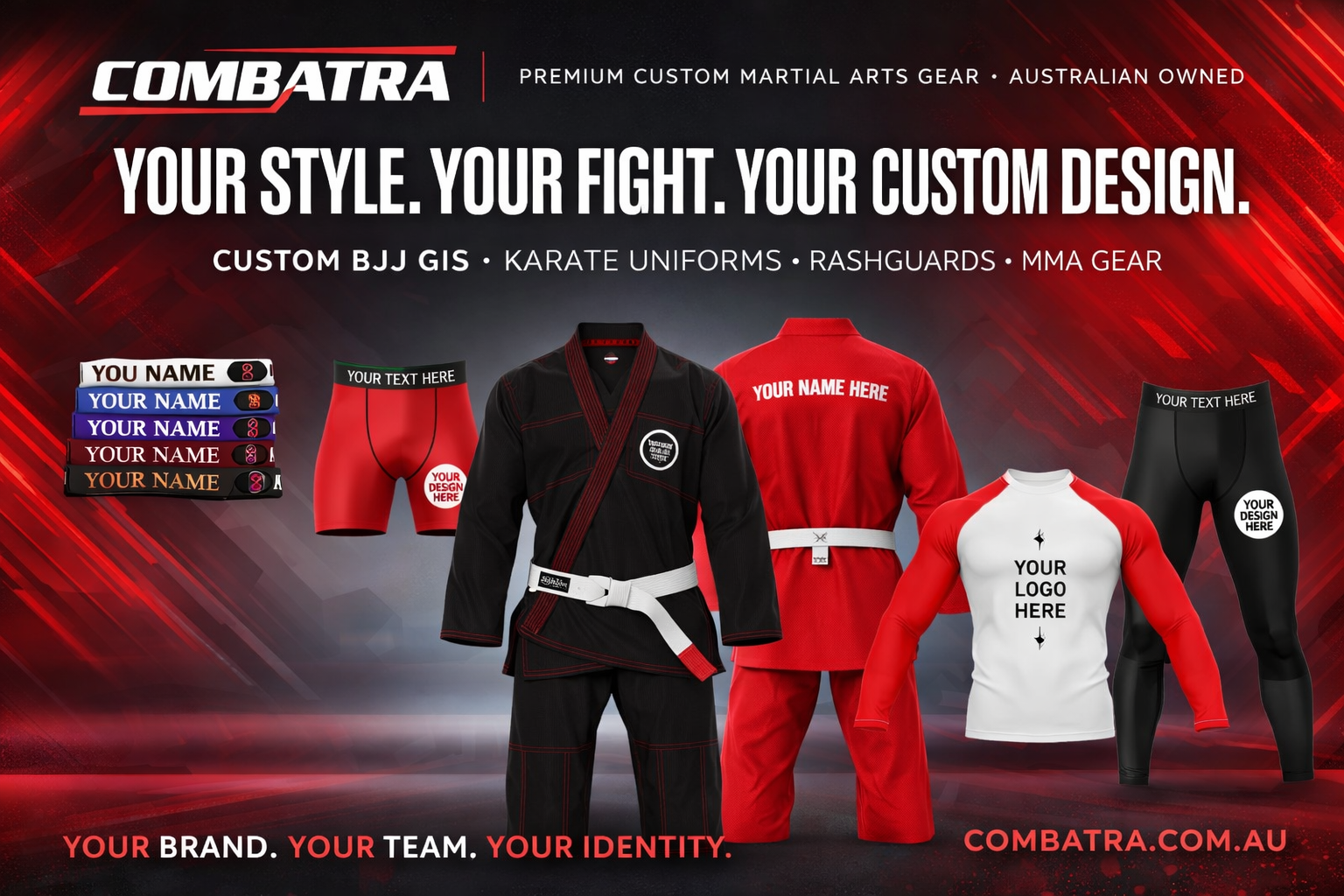
Complement your rashguard with matching custom compression shorts featuring the same durable construction and vibrant printing. Our item personalization service lets you add names, team logos, and custom graphics to create truly unique training gear that represents your academy or personal brand. Every piece undergoes rigorous quality control to ensure it meets the standards serious BJJ practitioners expect.
Frequently asked questions
What fabrics work best for custom BJJ rashguards?
Polyester-spandex blends with at least 80% polyester and 10 to 15% spandex provide optimal performance. This composition supports sublimation printing while delivering stretch, breathability, and moisture-wicking properties essential for grappling.
Why do manufacturers prefer sublimation printing for BJJ rashguards?
Sublimation bonds dye directly into polyester fibers at the molecular level, creating permanent designs that resist cracking, peeling, or fading. Screen printing and direct-to-garment methods layer ink on top of fabric, which breaks down quickly under training conditions.
How long does custom rashguard production typically take?
Most manufacturers complete orders in 7 to 14 days after design approval. This timeline includes printing, cutting, sewing, and quality control. Rush orders may finish in 3 to 5 days for additional fees.
What customization options do manufacturers typically offer?
You can add team logos, individual names, custom color patterns, sponsor graphics, and unique artwork using sublimation printing. The process allows unlimited colors and complex designs without additional cost per color.
How should I care for my custom rashguard to maximize lifespan?
Wash inside out with cold water immediately after training, skip fabric softeners and bleach, and air dry in shade. Never use a dryer as high heat damages spandex and fades prints. Following these steps extends rashguard life beyond 12 months.