
TL;DR:
- Not all "UV safe" clothing is verified; look for certified UPF ratings from recognized standards.
- Fabric performance can degrade during activity; choose garments designed to maintain UPF when stretched or wet.
- High-quality UV clothing combines dense, tightly-knit fabric with UV-absorbing treatments for effective sun protection.
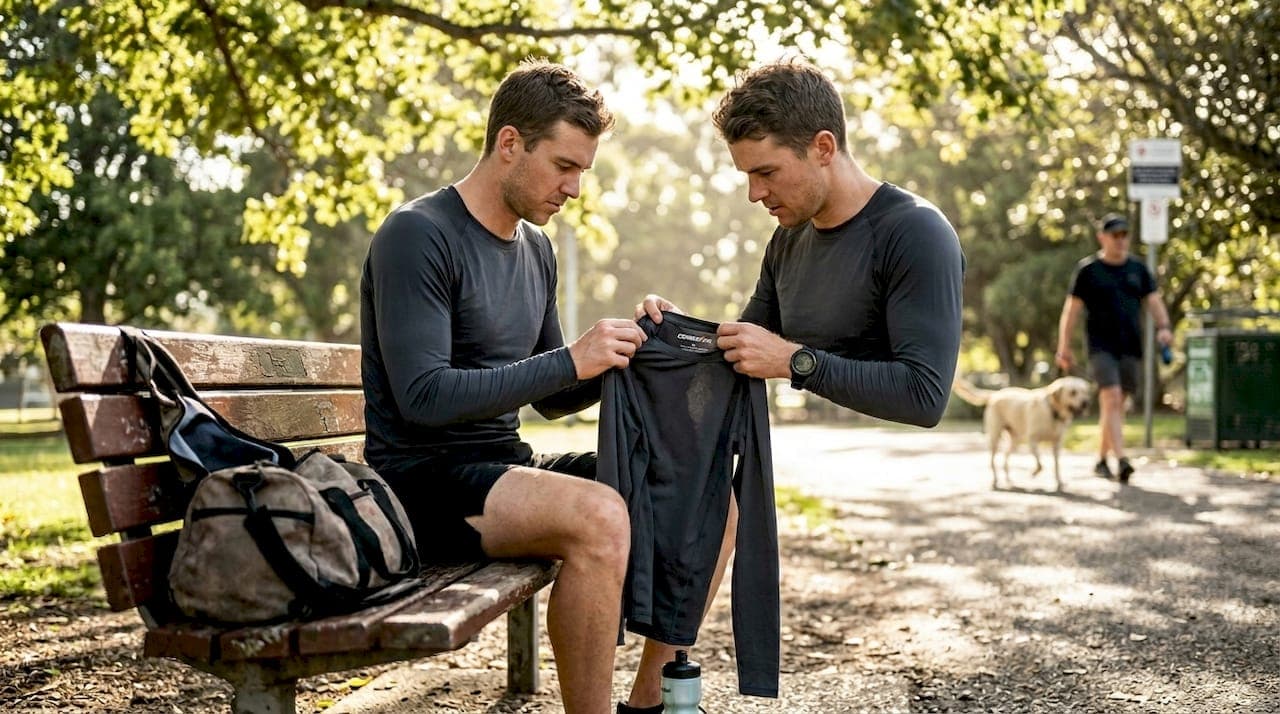
Not every long-sleeve shirt keeps you safe in the sun. Many garments are labelled 'UV safe' or 'sun protective' without carrying any verified rating at all. For athletes training outdoors, BJJ practitioners on the mats, or workers logging hours under Australian skies, this gap between marketing claims and actual protection is a real health risk. Choosing the right UV clothing means knowing what standards to look for, how fabric behaves under sweat and stretch, and which certifications actually carry weight. This guide covers all of it, so you can make confident, informed choices about the gear protecting your skin every session.
Table of Contents
- Understanding UPF ratings: Not all UV clothing is created equal
- Performance under pressure: Wet, stretched and real-life stress tests
- Fabric, fit and function: The building blocks of real UV protection
- Choosing the right protection for your activity and exposure
- Why most 'UV clothing' misses the mark for Australian athletes
- Find high-performance UV clothing and gear: Next steps
- Frequently asked questions
Key Takeaways
| Point | Details |
|---|---|
| Check for UPF 50+ | Only UPF 50+ clothing reliably blocks at least 98% of harmful UV rays during active use. |
| Demand real certification | Trust only garments tested to standards like AS/NZS 4399 or bearing the Skin Cancer Foundation Seal. |
| Think beyond dry conditions | Choose gear proven to retain sun protection when wet or stretched during sports. |
| Fabric construction matters | Dense, quality-woven or engineered knits balance breathability with effective UV safety. |
| Match protection to exposure | Opt for higher UPF and more coverage for intense, high-exposure sports or outdoor work. |
Understanding UPF ratings: Not all UV clothing is created equal
UPF stands for Ultraviolet Protection Factor. It works similarly to SPF in sunscreen, but it measures how much UV radiation a fabric blocks rather than how long you can stay in the sun. A UPF 30 garment blocks around 96.7% of UV rays, while a UPF 50+ garment blocks at least 98% of UVA/UVB rays, verified by lab testing to standards like AATCC TM183, AS/NZS 4399, or UV Standard 801. That two percent difference sounds small, but over cumulative hours of outdoor exposure, it genuinely adds up.
Not all UPF labels are equal, though. Three internationally recognised testing standards determine whether a garment earns a legitimate rating:
- AATCC TM183: The American standard, widely used by global brands
- AS/NZS 4399: The Australian and New Zealand standard, highly relevant for local conditions
- UV Standard 801: A European standard that tests fabrics under conditions simulating actual wear
A garment that has passed one of these tests carries a verified number. A garment that simply says 'UV protective' or 'sun safe' without a number may offer little more than a regular T-shirt.
| UPF rating | UV rays blocked | Protection level |
|---|---|---|
| UPF 15 to 24 | 93.3 to 95.9% | Good |
| UPF 25 to 39 | 96.0 to 97.4% | Very good |
| UPF 40 to 50+ | 97.5 to 99%+ | Excellent |
The Skin Cancer Foundation takes this further. Their seal of recommendation requires a UPF 50 minimum, independent lab verification, and confirmation that the garment maintains its rating under real-use conditions. A generic 'UV safe' tag means nothing without this kind of verification behind it.
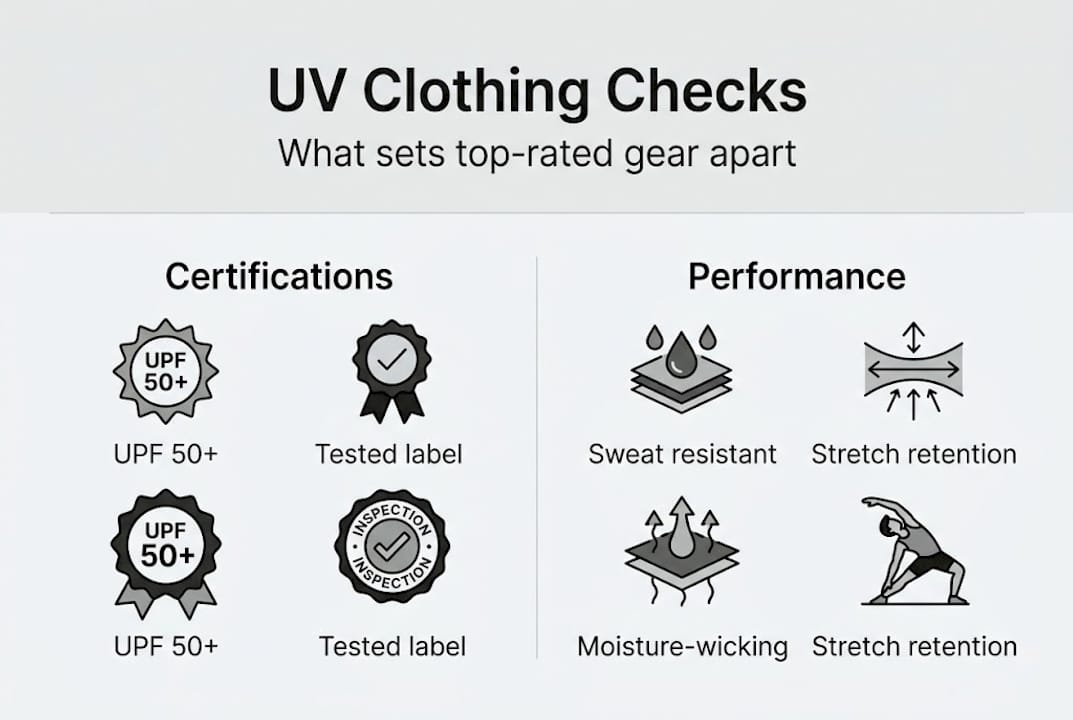
For a deeper look at what these numbers mean in practice, UPF 50 clothing explained breaks it down for athletes specifically. If you wear rashguards, understanding UPF 50+ rashguard details will help you identify genuinely protective options.
Performance under pressure: Wet, stretched and real-life stress tests
Understanding UPF numbers is critical, but true sun safety depends on how clothing performs in real-world conditions. A rashguard that tests brilliantly in a lab may offer far less protection during an intense BJJ session where you are sweating, rolling, and stretching in every direction.
Research shows that UPF drops 20 to 40% when stretched 10 to 20%, and that wetting fibres causes them to swell and increase UV transmission. In practical terms, a garment rated UPF 50+ when dry and relaxed could drop to UPF 30 or less during a training session. That is a significant protection reduction mid-activity.
Here is what this means for your gear choices:
- Sweat and rain: Wet fabric can transmit more UV light than the dry rating suggests
- Dynamic stretch: Poses, guards, and ground fighting pull fabric across joints and the torso, opening the weave
- Washing cycles: Repeated washing degrades UV-blocking finishes on cheaper garments
- Dye fading: UV-absorbing dyes fade over time, reducing protection with every wash
Garments engineered for sport should maintain their UPF rating under wet and stretch conditions, not just in dry, flat lab tests.
Pro Tip: When assessing gear, look specifically for brands that describe post-activity UPF retention. If a product page only mentions lab-test ratings without addressing stretch or sweat performance, that is a gap worth questioning.
For those trying to decide between UV clothing and topical sunscreen, UPF clothing versus sunscreen is worth reading. For BJJ athletes focused on fabric weight, understanding the ideal GSM for BJJ rashguards helps connect density to durability.
Fabric, fit and function: The building blocks of real UV protection
Once you understand performance challenges, consider how fabric and design drive comfort and protection. The type of fabric, how it is constructed, and how it fits your body all affect whether a garment delivers genuine protection during activity.
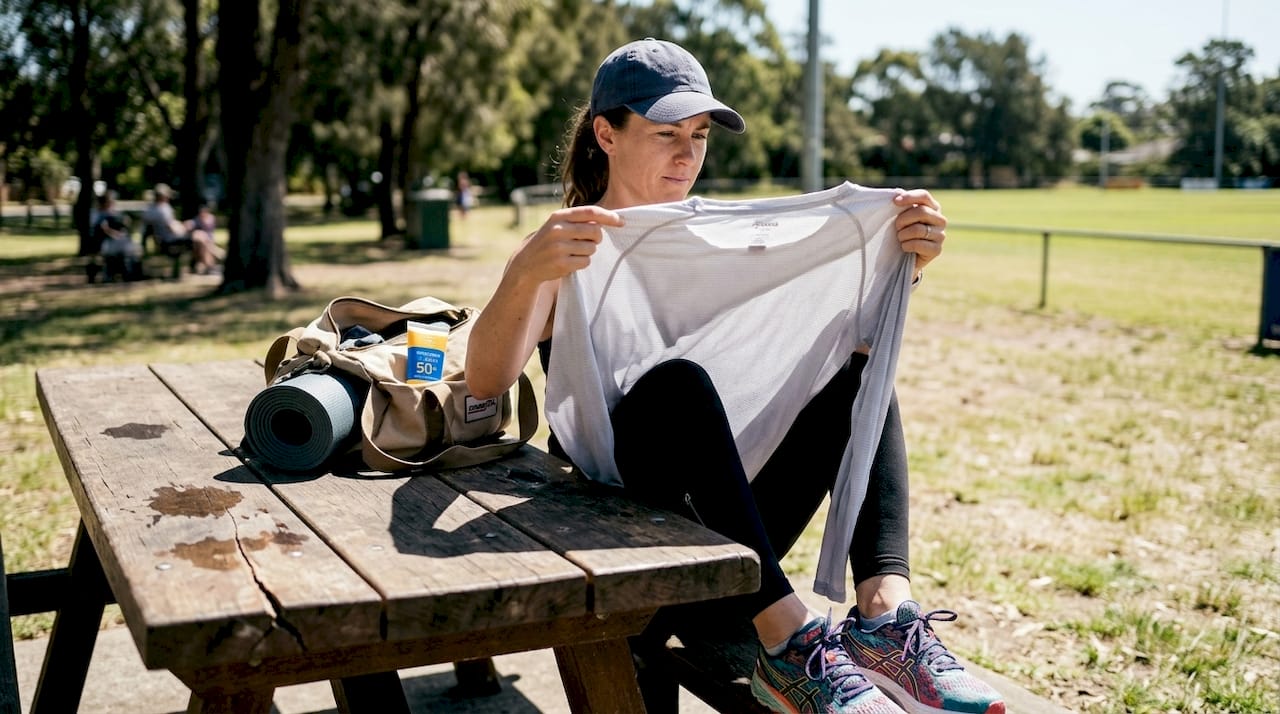
Knitted fabrics, which are the standard in most activewear including rashguards and compression tops, are generally more elastic and breathable than woven fabrics. However, knitted fabrics offer less UV protection than woven unless they are dense or thick. This creates a real design challenge: increase density for UV protection, and you risk reducing breathability in hot conditions.
The best performance UV clothing solves this through smart construction rather than simply adding weight. Here is what to look for:
- GSM (grams per square metre): Higher GSM generally means denser fabric and better UV blocking, but balance this with heat and movement needs
- Tight-knit construction: Tighter knit patterns close the gaps UV passes through without sacrificing stretch
- UV-absorbing treatments: Quality garments incorporate UV-blocking compounds into the yarn itself, not just as a surface treatment that washes away
- 4-way stretch fabric: Ensures the garment moves with you without creating thin spots under tension
Fit matters as much as fabric. A garment that bunches, gaps, or sits too loosely around the neck, wrists, or hem will leave skin exposed even if the fabric itself is rated UPF 50+. Conversely, a garment so tight it is constantly under maximum stretch will underperform due to the UPF reduction caused by tension.
Pro Tip: Hold any potential purchase up to a light source. If you can clearly see your hand through the fabric, so can UV radiation. A quality UPF 50+ garment should look nearly opaque.
For garments built for movement, top BJJ rashguard styles shows how design choices translate into performance. The rashguard selection tips guide covers the practical side of finding a good fit.
Choosing the right protection for your activity and exposure
Equipped with fabric and performance knowledge, let's look at how to match your UV clothing to your real-world needs. Not every activity carries the same UV risk, and your clothing strategy should reflect your actual exposure.
Here is a simple framework for assessing your needs:
- Assess your exposure duration: A 30-minute morning run carries far less risk than a full day of outdoor work or a long trail hike starting at noon
- Consider your activity's UV intensity: Water, sand, and concrete all reflect UV light back onto your skin, increasing total exposure significantly
- Map your coverage gaps: Identify which skin areas are regularly exposed and whether your current gear leaves them unprotected
- Match UPF level to exposure time: For casual outdoor activity, UPF 30 to 40 may be sufficient; for extended or high-intensity exposure, go for UPF 50+
- Add certified gear for high-risk use: Outdoor workers should look for UPF 80+ given high exposure, as non-certified workwear can vary dramatically in its protective range
Different garment types cover different areas. A full-sleeve rashguard covers the arms and torso. A UV hoodie extends neck and head protection. A sun hat adds coverage for the face and scalp. Layering these together creates a more complete shield.
Combining certified UV clothing on covered areas with broad-spectrum sunscreen on exposed skin like the face, neck, and hands gives you the most consistent protection during long outdoor sessions.
For BJJ athletes training outdoors or in bright indoor gyms, custom BJJ rashguards let you build team gear that meets real protection standards. And if you are newer to rashguards, understanding why BJJ athletes wear rashguards puts the UV function in context alongside other training benefits.
Why most 'UV clothing' misses the mark for Australian athletes
Stepping back, let's challenge what the mainstream sun protection clothing market gets wrong. We see it regularly: garments that carry a UV-safe label, look the part, and sell at a premium, but fall apart in real use within a few months. The fashion industry has borrowed sun protection as a marketing angle without committing to the engineering behind it.
For athletes and outdoor workers in Australia, this is not a minor inconvenience. We have some of the highest UV index readings in the world, and skin damage accumulates silently over time. Cheap UV gear is worse than no UV gear in one important way: it creates a false sense of security. You train harder and longer thinking you are covered, when the fabric protecting your shoulders may have dropped to UPF 15 after six weeks of washing.
The clothing that genuinely survives Aussie sun and sweat has a few things in common. It carries a verified rating, not just a marketing claim. Its UV protection is built into the yarn structure, not applied as a topical treatment. And it is tested under conditions that reflect actual use, not just flat, dry lab samples. As the Skin Cancer Foundation notes, no fabric blocks 100% of UV, which is why layering certified clothing with sunscreen on exposed skin remains essential. The brands that are honest about this are the ones worth trusting. Explore the essential rashguard benefits to see how this standard applies to combat sport gear specifically.
Find high-performance UV clothing and gear: Next steps
Ready to put this knowledge to work? Combatra builds UV gear specifically for athletes who train hard and spend real time in the sun. Every product is engineered with verified UPF 50+ protection, tested for stretch and sweat retention, and designed for full-range movement.
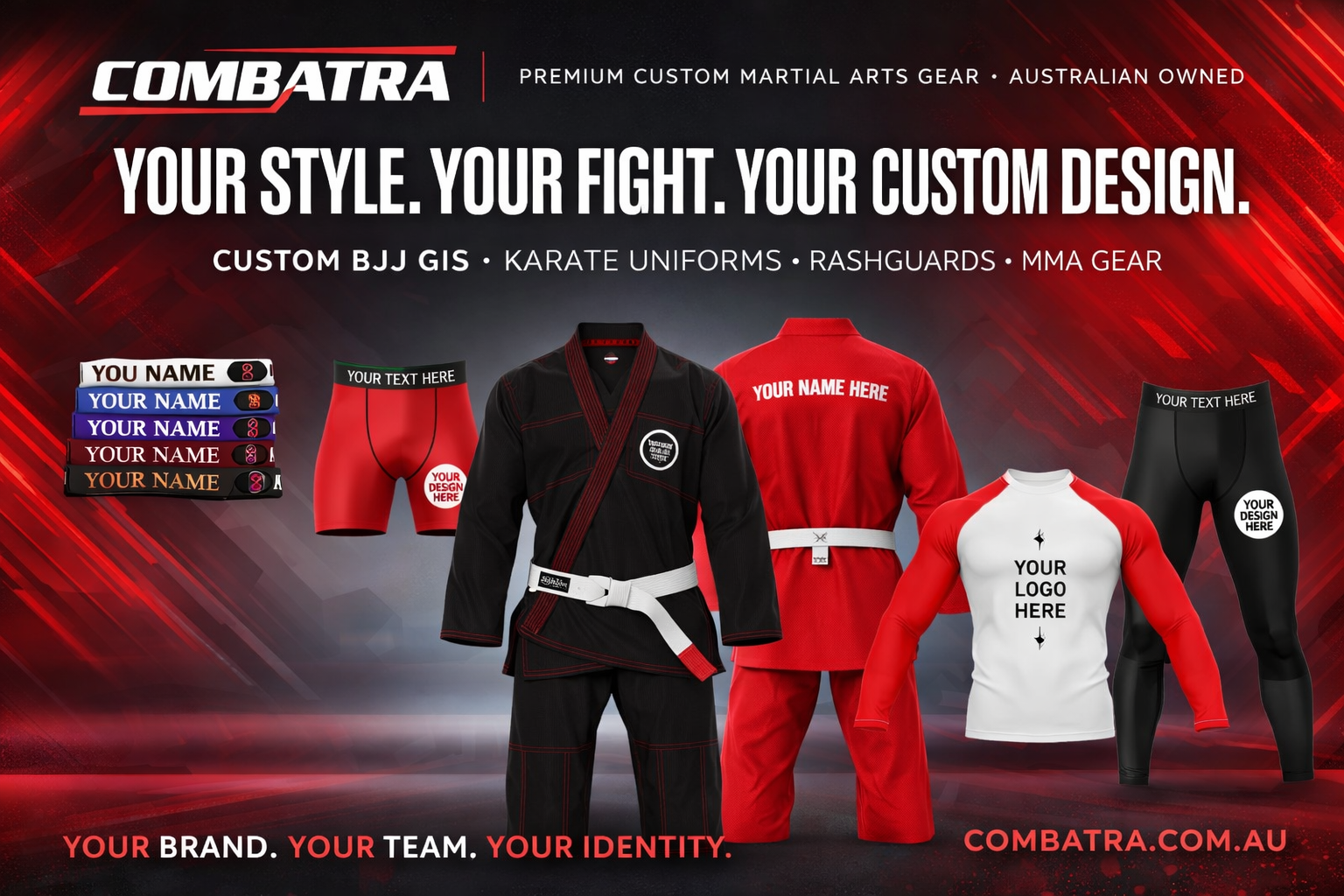
Browse the shop UPF rashguards range for full-sleeve and short-sleeve options built for BJJ, MMA, and outdoor training. Women athletes can find performance-focused options in the sports bras for active women collection. Academies and teams can build out fully protective kits with custom BJJ Gi sets personalised with your colours, logo, and names. If you have questions about fit, coverage, or customisation, the Combatra team is ready to help you choose gear that genuinely protects.
Frequently asked questions
What does UPF 50+ really mean in sun protection clothing?
UPF 50+ means the fabric blocks at least 98% of UV rays, making it the highest practical standard for protective clothing. The Skin Cancer Foundation requires a minimum UPF 50 rating before awarding their seal of recommendation.
Can UV protection in clothing decrease with sweat or stretching?
Yes. UPF drops 20 to 40% when stretched 10 to 20%, and wetting the fabric increases UV transmission further. Always choose gear engineered to retain its rating under active conditions.
How do I know if UV clothing is certified and trustworthy?
Look for a UPF 50+ label that references a recognised testing standard like AS/NZS 4399, AATCC TM183, or UV Standard 801. A Skin Cancer Foundation seal is an additional indicator that the garment has been independently verified.
Is UV clothing better than sunscreen for athletes?
For consistency, yes. UV protection clothing does not sweat off or need reapplication, making it more reliable than sunscreen during high-intensity activity like BJJ or hiking. Use both together for exposed areas like the face and neck for full coverage.