
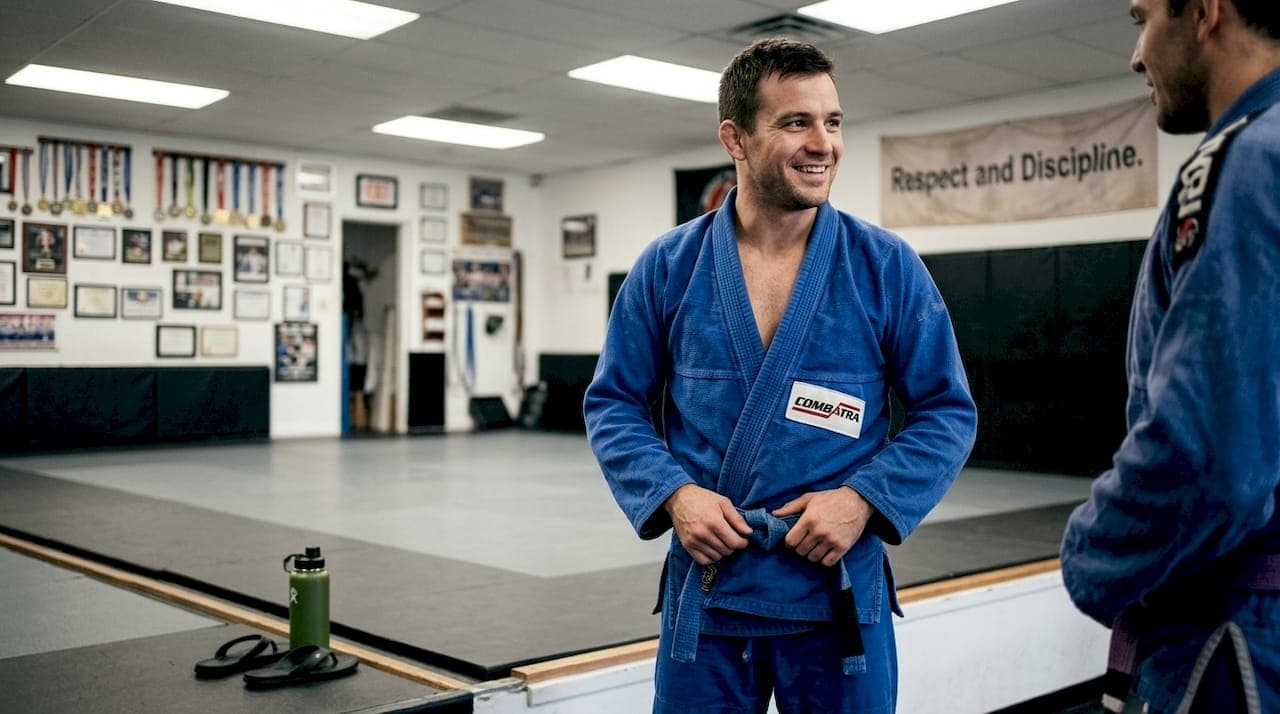
Stepping onto the mats for the first time, or even the hundredth time, can feel overwhelming when you're staring at a wall of gear options. What do you actually need? What's just nice to have? And how do you know if you're buying the right stuff for your training style? We've been there. This guide breaks down every essential BJJ gear category, from the classic gi to advanced solo training tools, so you can make smart, confident choices without wasting money or showing up underprepared. 🥋
Table of Contents
- How to evaluate BJJ gear: Fit, function, and personal goals
- The BJJ gi: Tradition, durability, and fit
- No-gi gear: Rash guards, shorts, and spats explained
- Hygiene and training essentials: Beyond clothing
- Advanced and supplementary BJJ gear
- Compare your options: BJJ gear at a glance
- Choosing what's right for you: Personalization and gym culture
- Start your BJJ journey with the right gear
- Frequently asked questions
Key Takeaways
| Point | Details |
|---|---|
| Choose gear by goals | Select BJJ gear based on your training, competition, and personal needs for best results. |
| Quality over quantity | Invest in fitted, durable items to avoid frequent replacements and improve comfort. |
| Don’t skip hygiene | Flip-flops, towels, and rash guards are essential for health and mat etiquette in any gym. |
| Explore advanced options | Consider dummies and specialty gear for solo training or injury prevention as you progress. |
How to evaluate BJJ gear: Fit, function, and personal goals
Before we get into specific gear categories, let's talk about how to think about gear decisions in general. Not all BJJ practitioners have the same needs, and that's totally fine.
Here's a simple framework to guide every purchase:
- Fit and durability first. Gear that doesn't fit well will slow you down and wear out faster. Beginners should prioritize fitted, durable gear over cheap options to avoid quick replacement. Many gyms offer loaner gis for your first few classes, so don't panic-buy on day one.
- Know your training style. Are you doing gi, no-gi, or both? Casual fitness training or competitive? Your answers shape your gear list significantly.
- Balance budget and performance. Cheap gear often costs more in the long run. Invest in quality where it counts, especially for items you'll use every single session.
- Respect gym culture. Some gyms have strict rules about gi colors, patches, or logos. Check before you buy.
- Express yourself within the rules. Personal style matters! Gear that makes you feel good can actually boost your confidence on the mat.
Pro Tip: If you're just starting out, borrow or rent a gi for your first class. Once you know you're committed, check out our guide on selecting a BJJ gi before spending a cent.
The BJJ gi: Tradition, durability, and fit
The gi is the heart of traditional BJJ training. It's more than just a uniform. It shapes how you grip, move, and even how you're ranked.
A BJJ gi consists of three components: the jacket (uwagi), the pants (shitabaki), and the belt (obi). The belt color signals your rank, from white for beginners all the way to black for advanced practitioners.
Here's what to look for when choosing your gi:
- Material weight: Lighter weaves (single weave) are cooler and more flexible. Heavier weaves (double or gold weave) are more durable but warmer.
- Stitching quality: Reinforced stitching at stress points like the collar, armpits, and knees means your gi survives hard rolls.
- Shrinkage: Pre-shrunk gis save you from sizing surprises after the first wash. Always check the care label.
- IBJJF compliance: If you plan to compete, your gi must meet specific color and patch rules. White, blue, and black are the standard approved colors.
- Sizing: Gi sizing varies by brand. When in doubt, size up slightly to account for shrinkage.
Understanding what a BJJ gi is and how it functions helps you make a smarter first purchase.
Pro Tip: Avoid overly flashy gis with excessive patches or logos if you plan to compete. Judges and referees notice, and non-compliant gear can get you disqualified before you even step on the mat.
No-gi gear: Rash guards, shorts, and spats explained
No-gi training is a whole different vibe. No collar grips, faster pace, and a completely different gear setup.
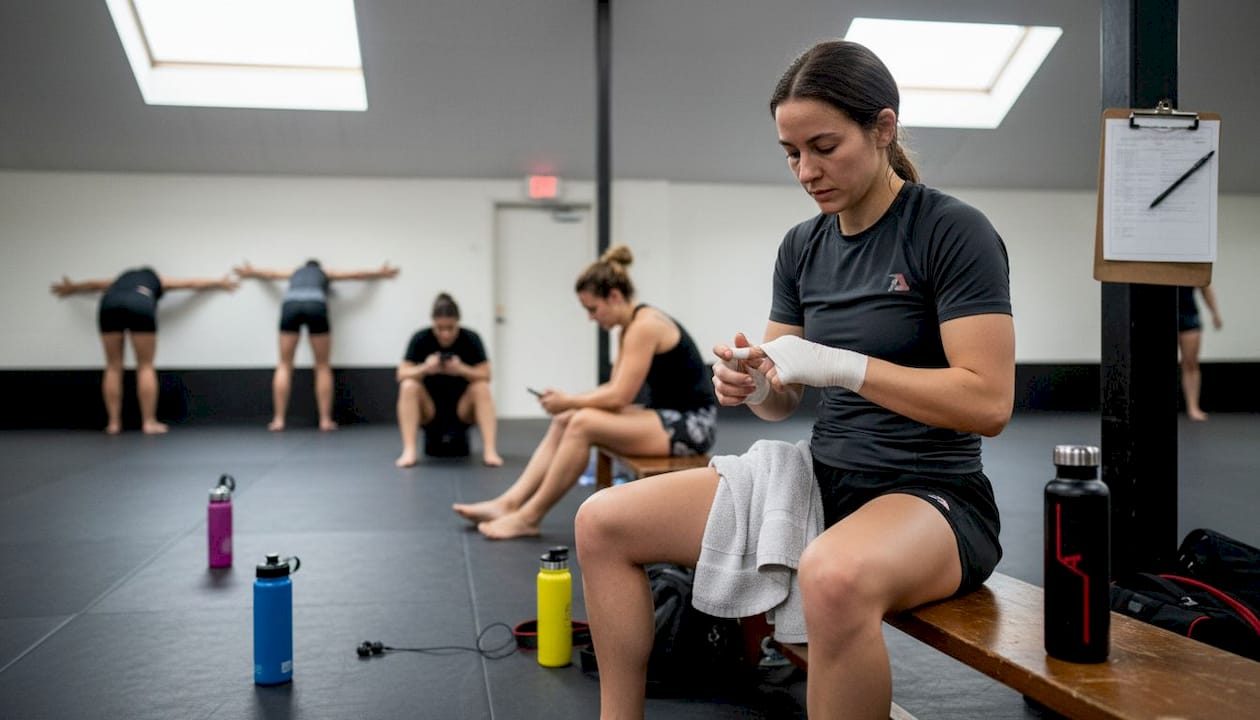
No-gi essentials include rash guards, grappling shorts, and spats. Rash guards should be polyester/spandex blend and anti-microbial. Grappling shorts must have no pockets or zippers and ideally feature split sides for mobility. Spats are compression pants that protect your legs and reduce friction.
Here's a quick breakdown:
- Rash guards: Prevent mat burn, reduce skin infections, and keep you comfortable during long rolls. Competition rash guards must contain at least 10% spandex.
- Grappling shorts: Regular board shorts or gym shorts are a no-go. Pockets and zippers can injure your training partner. Stick to purpose-built grappling shorts.
- Spats: Great for knee protection and warmth. Many athletes wear them under shorts for a clean, competition-ready look.
Learn more about the role of rash guards in BJJ, including the key benefits of rash guards for performance and hygiene. Still unsure? Read about training without a rash guard to understand the risks.
Pro Tip: Even in gi classes, wearing a rash guard underneath your gi jacket is a smart hygiene move. It reduces direct skin contact with the gi and keeps you fresher throughout training.
Hygiene and training essentials: Beyond clothing
Okay, let's talk about something that doesn't get enough attention: hygiene gear. This stuff isn't glamorous, but it keeps you healthy, keeps your training partners happy, and keeps you welcome at the gym. 😄
Hygiene essentials include flip-flops, a water bottle, a small towel, antibacterial soap, and a gym bag. Separate flip-flops for gym use only are often required for mat etiquette.
Here's your hygiene checklist:
- Flip-flops: Wear them everywhere except the mat. Bare feet off the mat track in bacteria and fungi. Keep a dedicated pair in your bag.
- Water bottle: Hydration is non-negotiable. BJJ is intense, and you'll sweat a lot.
- Small towel: Wipe down between rounds. Your training partners will thank you.
- Antibacterial soap and wipes: Shower immediately after training. Wipes are great for quick cleanups on the go.
- Gym bag: Keep everything organized and separate from your everyday items.
"Mat hygiene isn't optional. It's a sign of respect for your training partners and your gym. Skin infections like ringworm and staph spread fast in grappling environments. Clean gear and clean habits protect everyone."
Advanced and supplementary BJJ gear
Once you've nailed the basics, there's a whole world of supplementary gear that can take your training to the next level, especially if you're training frequently or working on solo drills at home.
Advanced BJJ gear includes grappling dummies, home mats, joint braces, and a dedicated BJJ backpack. These tools are ideal for solo drills or athletes who train multiple times per week.
Here's what's worth considering:
- Grappling dummy: Perfect for drilling takedowns, guard passes, and submissions without a partner. A solid investment for serious practitioners.
- Home mats: Puzzle mats or roll-out mats let you drill at home safely. Even a small mat space makes a big difference.
- Joint braces: Knee sleeves, ankle braces, and finger tape protect vulnerable joints during high-volume training.
- BJJ backpack: A dedicated bag with compartments for wet gear, shoes, and equipment keeps everything organized and odor-contained.
Check out our full guide on home BJJ training equipment to build a solid home setup.
Pro Tip: Don't cheap out on joint braces or home mats. These items take a beating. Quality here means fewer injuries and longer training life. Spend once, train for years.
Compare your options: BJJ gear at a glance
To help you finalize your gear selections, here's a side-by-side comparison of the main categories:
| Gear category | Key features | Best for | Care tips |
|---|---|---|---|
| BJJ gi | Jacket, pants, belt; various weave weights | Gi training, competition | Cold wash, air dry to prevent shrinkage |
| No-gi gear | Rash guard, shorts, spats; spandex blend | No-gi training, MMA crossover | Machine wash cold, hang dry |
| Hygiene essentials | Flip-flops, towel, soap, water bottle | All practitioners | Replace regularly, keep bag clean |
| Advanced gear | Dummy, home mats, braces, backpack | Frequent or solo trainers | Wipe down mats, inspect braces regularly |
Every practitioner needs the first two rows covered. The hygiene column is non-negotiable. Advanced gear is optional but valuable once you're training consistently.
Choosing what's right for you: Personalization and gym culture
Now that you have the full picture, it's time to match your gear to your actual goals and gym environment. Here's a simple checklist to guide your decisions:
- Define your training goal. Competition, fitness, or casual fun? Competitors need IBJJF-compliant gear. Casual practitioners have more flexibility.
- Check your gym's rules. Some gyms require specific gi colors or ban certain logos. Ask before you buy.
- Start with the essentials. Gi, belt, flip-flops, and a gym bag cover your first month easily.
- Add no-gi gear when needed. If your gym offers no-gi classes, grab a rash guard and grappling shorts next.
- Personalize as you grow. Once you know your style, invest in gear that reflects your personality. Custom colors, logos, and designs make training more fun.
- Upgrade strategically. Replace worn items with higher-quality versions. Prioritize fitted, durable gear at every stage.
When you're ready to level up your gi game, our detailed guide on selecting the perfect BJJ gi walks you through every decision point.
Start your BJJ journey with the right gear
Wherever you are on your BJJ journey, the right gear elevates every roll and drill. Whether you're stepping on the mat for the first time or preparing for your next competition, having gear that fits well, performs reliably, and feels like you makes a real difference. 💪
At Combatra, we make it easy to gear up with confidence. Our custom BJJ gi lets you train in a uniform that's built for performance and personalized to your style. Need to replace worn-out bottoms? Our BJJ gi pants are durable, comfortable, and competition-ready. And for no-gi sessions, our compression rash guard delivers the protection and flexibility you need on the mat. Gear up smart. Train hard. Represent yourself well.
Frequently asked questions
What should I buy first as a beginner in BJJ?
Start with a quality gi, a belt, and basic hygiene items like flip-flops and a gym bag. Prioritize fitted, durable gear from the start to avoid replacing cheap items within weeks.
Can I wear regular shorts for no-gi BJJ?
No, regular shorts are not suitable. Grappling shorts without pockets or zippers are the standard because exposed hardware can injure your training partner during rolls.
Why are rash guards recommended even in gi classes?
Rash guards reduce direct skin contact with your gi, which helps prevent mat burn and improves overall hygiene. Wearing a rash guard under your gi is a simple habit that keeps you healthier over time.
What gear helps with solo BJJ drills at home?
A grappling dummy, home puzzle mats, and joint braces are the most useful tools for solo training. Advanced gear like these supports repetitive drilling and protects your joints during high-volume practice sessions.
Are flip-flops necessary for BJJ classes?
Absolutely. Separate flip-flops for mat etiquette are often enforced by gyms because bare feet off the mat track in bacteria that can cause skin infections for everyone training.