
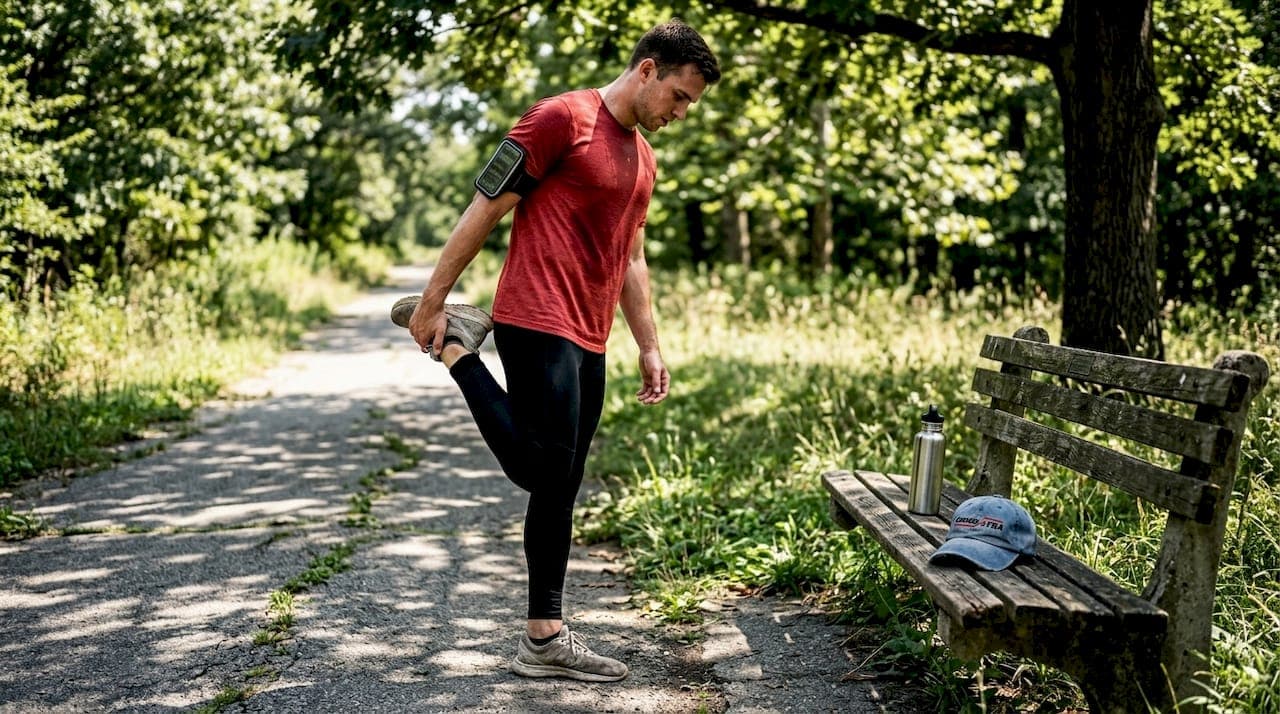
TL;DR:
- Modern breathable compression pants do not significantly increase overheating risk during hot weather training.
- Fabric quality, fit, ventilation, and activity level are more important than compression level in thermoregulation.
- Compression provides performance benefits like improved circulation, reduced fatigue, and faster recovery, even in heat.
Most athletes assume compression pants will cook them alive in summer training. It's a logical concern, and it stops a lot of people from even trying them in hot conditions. But the evidence tells a very different story. Research on compression wear and thermoregulation shows that modern designs do far more than just squeeze your legs — and the heat argument may be built on outdated assumptions about fabrics and fit. This guide breaks down the science, the real performance benefits, and how to choose the right compression pants for training in Australia's demanding summer heat.
Table of Contents
- Do compression pants really make you hotter when training?
- Performance benefits of compression pants in hot weather
- How fabric technology shapes compression wear for heat
- Who benefits most: Real-world scenarios for athletes
- Our take: What most athletes miss about compression wear in heat
- Compression gear for your best hot weather training
- Frequently asked questions
Key Takeaways
| Point | Details |
|---|---|
| No overheating risk | Modern compression pants manage heat well so you don't overheat during workouts. |
| Performance support | Compression wear stabilises muscles and can boost short-burst sports performance. |
| Choose the right fabric | Lightweight, breathable materials are crucial for hot weather comfort and safety. |
| Moderate compression preferred | Most athletes achieve the best balance of support and comfort with moderate pressure. |
Do compression pants really make you hotter when training?
The short answer is: not significantly. When athletes compare compression vs loose clothing under controlled conditions, physiological data consistently shows no meaningful difference in core body temperature or heart rate. The concern about overheating is real, but it's usually tied to poor fabric choices — not compression itself.
Modern breathable compression pants do not significantly impair thermoregulation or increase overheating risk during exercise. This is a critical finding, because it challenges the widespread belief that wearing a snug layer automatically raises your thermal load.
Several factors actually determine how hot you feel in compression wear:
- Fabric type: Polyamide blends and moisture-wicking polyester pull sweat away from your skin and allow airflow. Low-quality fabrics trap heat.
- Fit and pressure level: Poorly fitted pants that bunch or grip too tight can restrict blood flow and airflow, making you feel warmer.
- Ventilation panels: Mesh inserts in high-sweat zones dramatically improve heat dissipation.
- Activity intensity: High-effort sessions generate more body heat regardless of what you wear. The clothing choice becomes secondary at extreme intensities.
- Ambient conditions: Humidity, not just temperature, is often the real culprit behind that suffocating feeling during outdoor training.
When comparing compression sleeves vs rashguards and other compression formats, the same principle applies — fabric and construction matter more than pressure alone.
Research also confirms no strong performance hindrance in heat when athletes wear compression garments, with some studies showing no measurable physiological differences compared to non-compression alternatives.
It's worth noting that extreme scenarios do exist. Firefighters in full protective gear face a genuinely different thermal challenge, and compression in that context needs careful consideration. But for your BJJ session or outdoor run, you're operating in a very different environment. The conditions most athletes train in simply don't create the kind of heat trap people imagine.
Pro Tip: When shopping your next compression pants guide, prioritise panels with mesh or perforated zones around the inner thigh and back of the knee. These are the areas where heat builds fastest during movement.
Performance benefits of compression pants in hot weather
Understanding the heat impact is just one piece — the next is how compression wear affects your actual performance. And the benefits here are well-supported.
Compression pants work by applying graduated pressure to muscles, which improves blood circulation and reduces muscle vibration during movement. That translates directly to less fatigue over time. For martial artists who drill the same explosive movements repeatedly, this matters enormously. Muscle stabilisation and blood flow improvements with compression support anaerobic tasks like vertical jumps and agility work — both central to BJJ, Karate, and MMA.
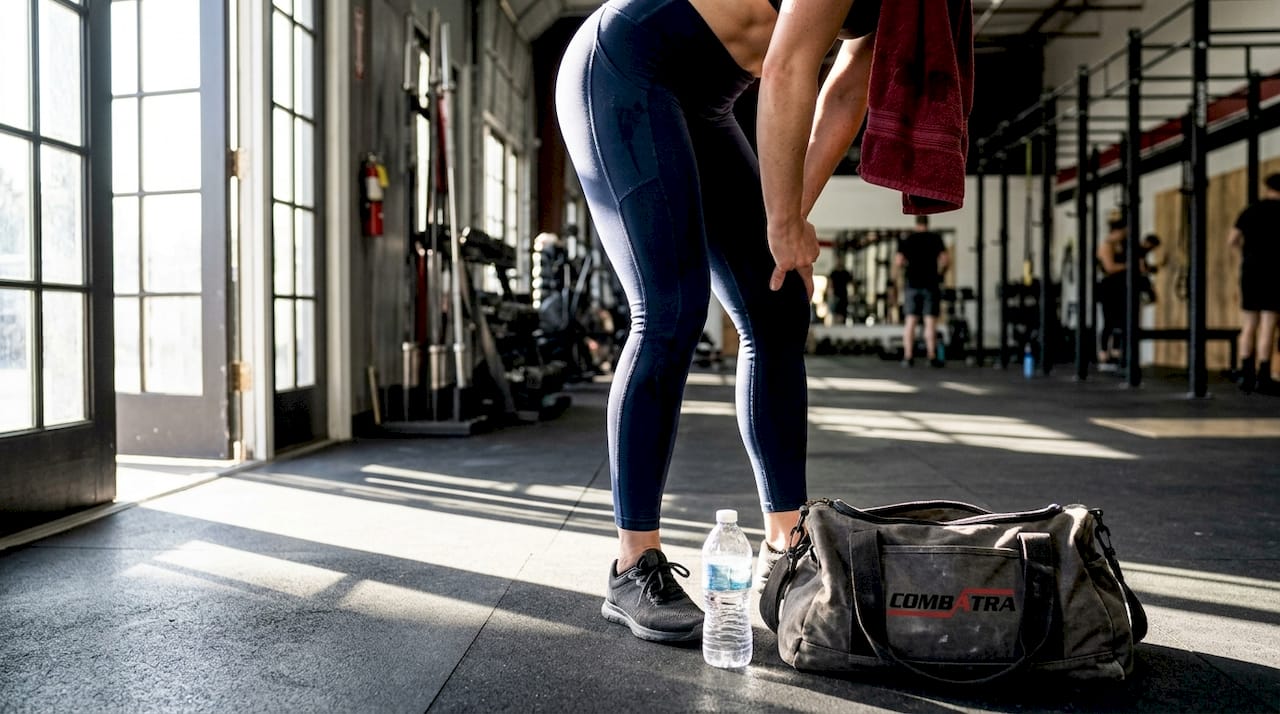
Here's a snapshot of how different compression levels affect performance metrics:
| Metric | Moderate compression | High compression |
|---|---|---|
| Vertical jump | Moderate improvement | Stronger improvement |
| Agility and lateral speed | Better performance | Slight reduction |
| Thermal comfort | High | Moderate |
| Endurance suitability | Excellent | Good for short bursts |
| Recovery benefit | Strong | Strong |
The key benefits athletes consistently report include:
- Improved endurance: Less muscle oscillation means muscles work more efficiently over time, especially in long training sessions.
- Faster recovery between rounds: Better venous return (blood flowing back to the heart) reduces the build-up of metabolic waste like lactate.
- Proprioceptive feedback: Compression improves your awareness of limb position, which is a genuine advantage in grappling and ground-based combat sports where precision matters.
- Reduced post-training soreness: Athletes wearing compression during and after sessions often report less delayed onset muscle soreness (DOMS).
Critically, these benefits are not cancelled out by moderate heat. Choosing the best fabric for hot weather training keeps your thermal load manageable while you still access all the performance advantages.
Pro Tip: If you train in mixed conditions — some indoor, some outdoor — moderate compression gives you the best balance between muscle support and thermal comfort. It's more adaptable than high-compression styles, and it won't feel suffocating when the mercury climbs.
How fabric technology shapes compression wear for heat
To get the most out of compression wear, smart fabric choices make all the difference. Not all compression is created equal, and the gap between budget and performance-grade fabrics is significant when you're training in 30°C heat.
The most effective materials for hot weather compression include:
- Polyamide (nylon) blends: Lightweight, soft against skin, and excellent at moisture management. They dry fast and maintain structure over many washes.
- Polyester with elastane: Durable and shape-retaining, with the elastane providing the stretch needed for explosive movements.
- Mesh panel inserts: These are not just aesthetic. Strategically placed mesh allows hot air to escape and cool air to enter, making a noticeable difference in how you feel mid-session.
Here's a direct comparison between older compression fabrics and modern options:
| Feature | Traditional compression fabrics | Modern moisture-wicking fabrics |
|---|---|---|
| Breathability | Low to moderate | High |
| Sweat management | Absorbs and holds | Wicks and releases |
| Quick dry | Slow | Fast |
| UPF rating | Often absent | Commonly UPF 50+ |
| Comfort in heat | Can feel heavy | Light and cool |
Research confirms that breathable modern compression supports athletes in hot weather without increasing heat burden — but only when the right fabrics are used. This is why reading product specs matters before you buy.
When you're checking tags or product descriptions, look for:
- UPF 50+ rating — Essential for outdoor training. It blocks 98% of UV radiation and signals quality fabric construction.
- Quick-dry or moisture-wicking label — Confirms the fabric moves sweat away rather than holding it.
- Ventilation or mesh zones — Look for mention of panels in the inner thigh, back of knee, or waistband.
- Four-way stretch — Allows full range of motion in all directions without bunching or rolling.
- Flat-lock seams — Reduces chafing during long, sweaty sessions where skin irritation is a real concern.
Check out the women's compression shorts range for a practical example of how these specs come together in purpose-built hot weather training gear.
Most discomfort athletes associate with compression in heat comes from fabric failures, not the compression itself. A cheap pair in synthetic fabric that doesn't breathe will feel awful at 32°C. A quality polyamide blend with mesh panels in the same conditions will feel entirely different.
Who benefits most: Real-world scenarios for athletes
Now that you understand what to look for, here's how different types of athletes can make compression pants work for them in the heat.
Athletes across several disciplines stand to gain the most:
- BJJ and grappling athletes: Compression keeps muscles warm between rounds without adding heat stress. It also protects skin from mat burns and rashes during ground work.
- Karate and striking disciplines: The proprioceptive feedback from compression helps maintain body position awareness during fast combinations and pivoting movements.
- Football and rugby players: Repeated sprinting and contact benefit enormously from the muscle stabilisation and reduced fatigue that compression provides over a full match.
- Trail runners and outdoor athletes: Long distances in sun and heat are where UPF-rated compression pants earn their value. They reduce sun exposure and muscle fatigue simultaneously.
Consider a realistic scenario: a 90-minute BJJ session on a 30°C afternoon. Without compression, athletes often report leg heaviness and slower movement in the final 30 minutes. With well-fitted, breathable compression pants, many notice less muscle fatigue and maintain speed through the end of the session. Core temperature in both cases stays comparable — consistent with the research evidence.
As one sports performance expert noted on compression gear for active environments:
"Moderate compression provides optimal support across a wide range of activities without the thermal penalty that overly tight, poorly designed garments create. It's the most versatile choice for athletes who train across mixed conditions."
For outdoor enthusiasts, pairing high compression leggings with UV-rated layers on exposed areas like arms and shoulders addresses both sun safety and performance needs together. The best compression pants for outdoor use combine UPF 50+ fabric with moisture-wicking and ventilation — a package that genuinely supports full-day outdoor training.
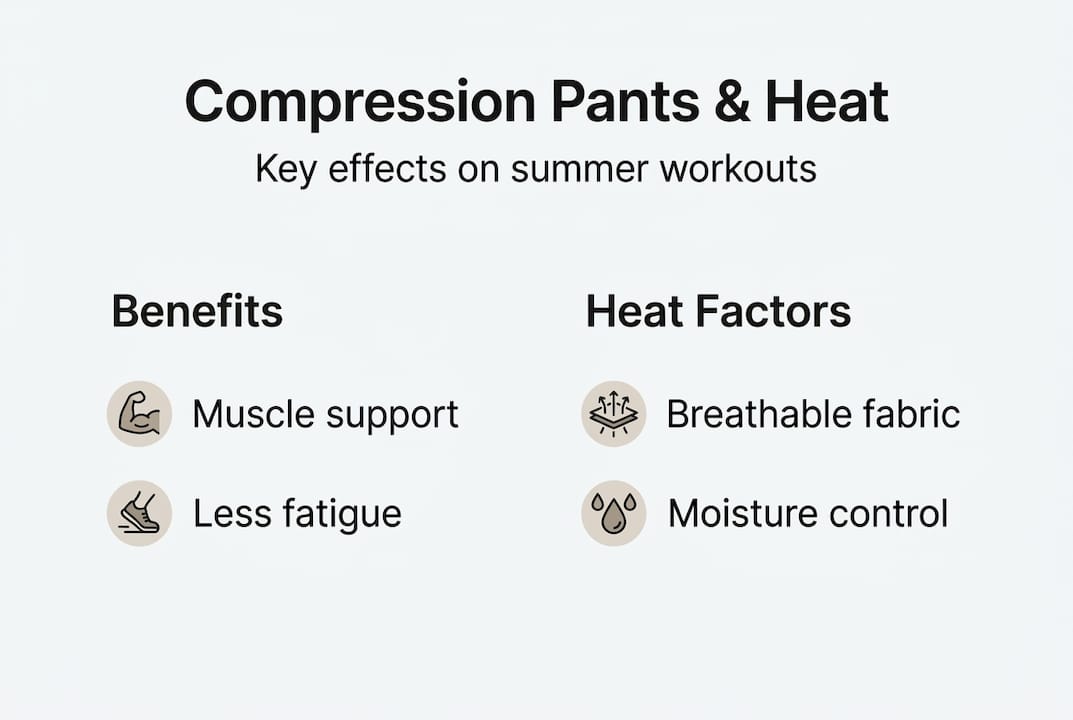
Breathable compression supports athletes in heat by providing muscle and joint support without added thermal burden, making it a practical choice for martial arts and outdoor sports across Australia's warm climate.
Our take: What most athletes miss about compression wear in heat
Stepping back from the research, here's what we've observed in practice: athletes almost always oversimplify the compression question. They ask "will this make me hot?" when the more useful questions are "what fabric is this made from?" and "does this fit match my training style?"
The most common mistake we see is athletes reaching for the highest compression level, thinking more pressure means better results. It rarely does in hot weather. Moderate compression consistently outperforms high compression for endurance and mixed-activity training, because it balances support with blood flow and thermal comfort.
Customisable, sport-specific designs also consistently outperform generic one-size-fits-all options. A BJJ athlete has different movement demands than a runner, and their compression pants should reflect that. When you pair the right fit with the right fabric, the performance difference is genuine — not marginal.
For a deeper look at how layering strategies work with rashguard vs compression choices, that's where athletes often find the biggest improvements in both comfort and performance.
Compression gear for your best hot weather training
Ready to apply what you've learned? Find the right gear for your next training session.
At Combatra, we design compression pants and shorts specifically for the demands of combat sports and outdoor training in real Australian conditions. Every product is built around breathability, UPF 50+ protection, and genuine athletic performance — not just aesthetics.
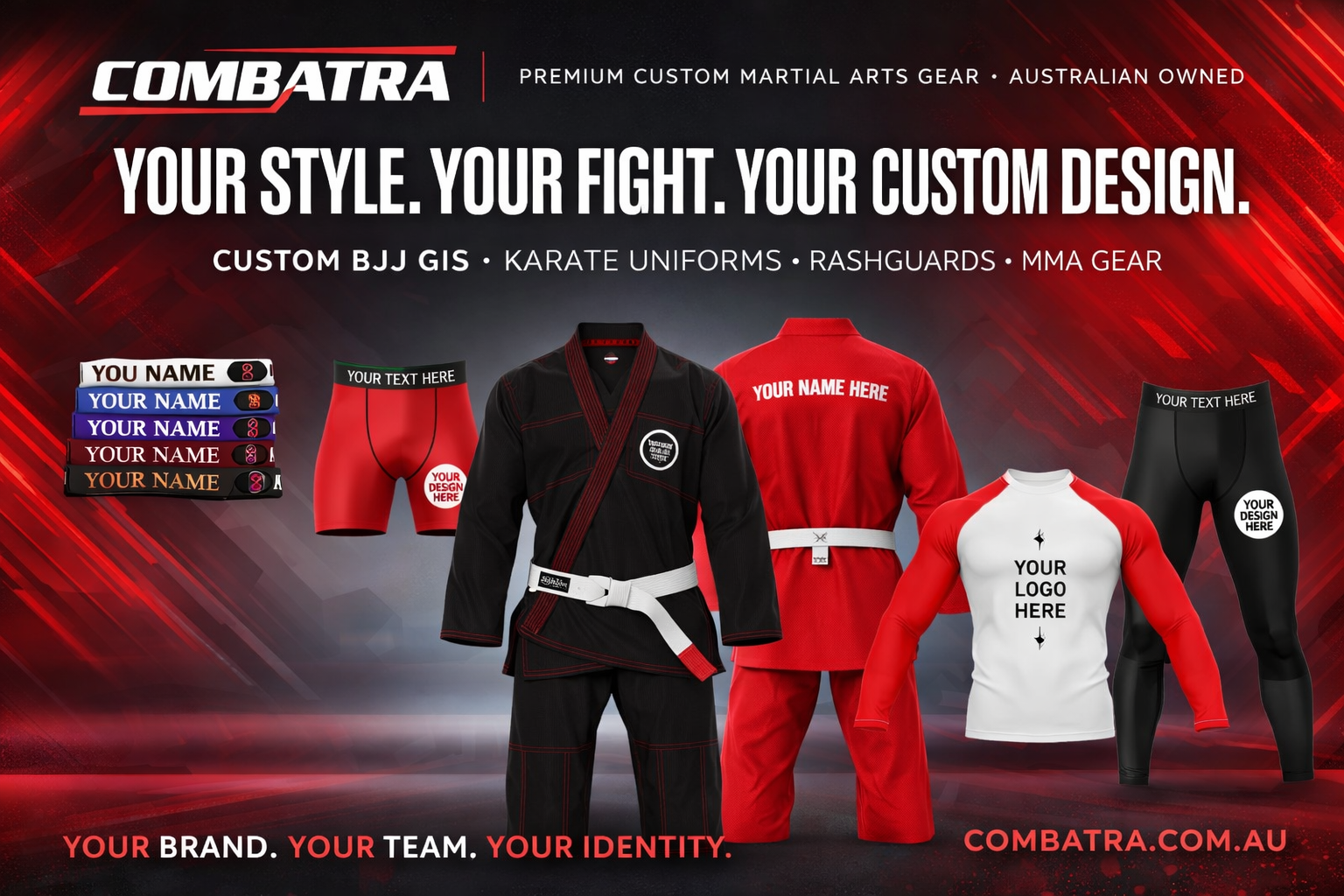
Our compression pants collection covers a range of pressure levels and fabric technologies, so you can find exactly what suits your training environment. If you want something tailored to your academy or personal style, our custom compression shorts let you choose colours, logos, and fit. Browse the full range, compare specs, and find gear that performs as hard as you do.
Frequently asked questions
Will compression pants overheat me in hot Aussie summers?
Modern breathable compression pants don't significantly raise your body temperature, as quality designs with moisture-wicking fabrics and ventilation panels manage heat and sweat effectively during training.
Is there a performance difference between moderate and high compression in heat?
Vertical jump improves with high pressure compression, but agility and overall comfort are better supported by moderate compression, making it the smarter choice for most hot-weather training sessions.
How do I pick compression pants for summer training?
Choose lightweight, moisture-wicking fabrics with ventilation panels, a UPF 50+ rating, and a moderate fit that allows full range of motion without restricting blood flow.
Can compression pants help recovery after hot weather workouts?
Improved blood flow and muscle stabilisation from compression pants support faster recovery even after hot-weather training, provided the garment is breathable and fits correctly.