
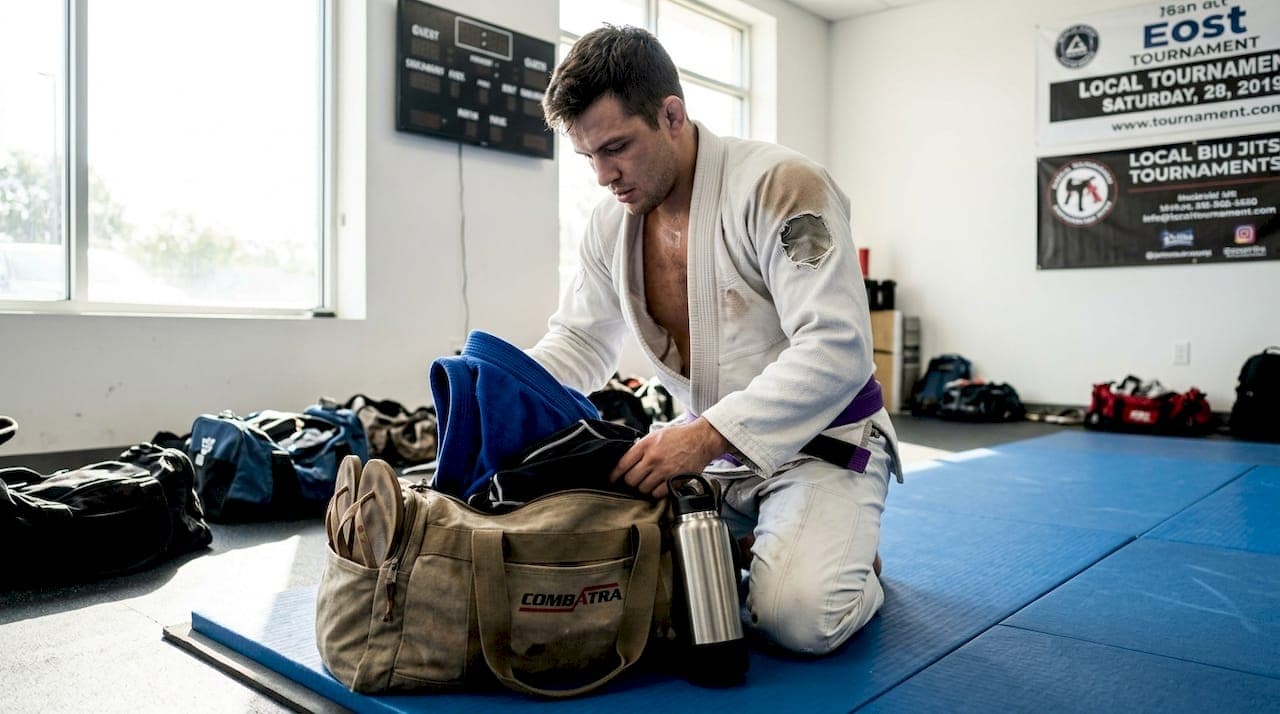
Tournament day is approaching, and the last thing you want is to be disqualified or sidelined because you forgot essential gear. Whether you're competing in your first local tournament or heading to a major IBJJF event, having the right equipment can make the difference between a smooth experience and a stressful scramble. This comprehensive checklist covers everything from competition-legal uniforms to personal care items, comfort essentials, and critical paperwork. You'll learn exactly what to pack, why each item matters, and how to avoid the most common gear-related pitfalls that trip up competitors on match day.
Table of Contents
- Key takeaways
- Choosing your competition-legal gi or no-gi gear
- Personal care and hygiene essentials to bring
- Comfort and recovery items for long competition days
- Logistics and paperwork for smooth tournament entry
- Gear up for competition success with Combatra
- What should I do if my gi gets damaged during tournament day?
- How early should I arrive at the tournament venue?
- Why are flip-flops important during BJJ tournaments?
- Should I bring my own water and snacks to tournaments?
Key Takeaways
| Point | Details |
|---|---|
| Gear compliance | Make sure your gear complies with IBJJF rules for color, patches, and belt representation to avoid disqualification. |
| Pack backups | Bring backup gear such as a spare gi extra rashguard and an extra belt so you can swap items quickly if something fails inspection. |
| Pre check inspection | Do a quick pre tournament check by measuring sleeve and pant lengths and inspecting for loose threads to prevent gear check rejection. |
| Nail care hygiene | Nail care and hygiene checks are mandatory because officials inspect nails and overall cleanliness before each match. |
| Mat footwear | Wear flip flops or slides between mats to maintain mat hygiene and prevent contamination. |
Choosing your competition-legal gi or no-gi gear
Your uniform is the foundation of tournament preparation, and showing up with non-compliant gear can end your day before it starts. For gi competitions, your uniform must meet strict color and patch requirements. Most IBJJF-sanctioned events only allow white, blue, or black gis, with specific rules about where patches can be placed and how much of the gi they can cover. The jacket and pants must match in color, and your belt must accurately represent your rank with no excessive wear or fraying.
When choosing a BJJ gi for competition, pay attention to fit regulations. Sleeves must reach no more than 5cm from your wrist when arms are extended, and pants must end no higher than 5cm above the ankle. Jacket skirts need to cover the thighs when standing, and there should be enough fabric for an opponent to grip. These measurements are strictly enforced during gear check, so test your gi well before tournament day.
For no-gi events, you'll need a ranked rashguard that clearly displays your belt level and fight shorts or spats without pockets, zippers, or metal components. IBJJF rashguard rules require at least 10% of the rashguard to match your belt color, making your rank instantly visible to referees and opponents. When selecting rashguard options, prioritize moisture-wicking fabric that stays in place during scrambles and doesn't bunch or ride up.
Always pack backup gear. Bring a second gi, an extra rashguard, and a spare belt. Gear rejection at inspection happens more often than you'd think, whether due to wear, improper patches, or measurement issues. Having backups means you can swap items quickly and stay on schedule rather than scrambling to borrow gear or withdrawing from your division.
Pro Tip: Lay out your competition gi the night before and physically measure the sleeve and pant lengths with a tape measure. Check for loose threads, worn collar tape, or patches that might peel. This 10-minute inspection can save you from a stressful gear check rejection.
Personal care and hygiene essentials to bring
Personal care items might seem minor, but they can directly impact whether you're allowed to compete. Tournament officials conduct hygiene checks before matches, and failing these inspections means immediate disqualification. Start with your fingernails and toenails. They must be trimmed short and filed smooth with no sharp edges that could scratch or cut an opponent. Bring nail clippers in your bag for last-minute touch-ups, because what felt short at home might not pass inspection under tournament lighting.
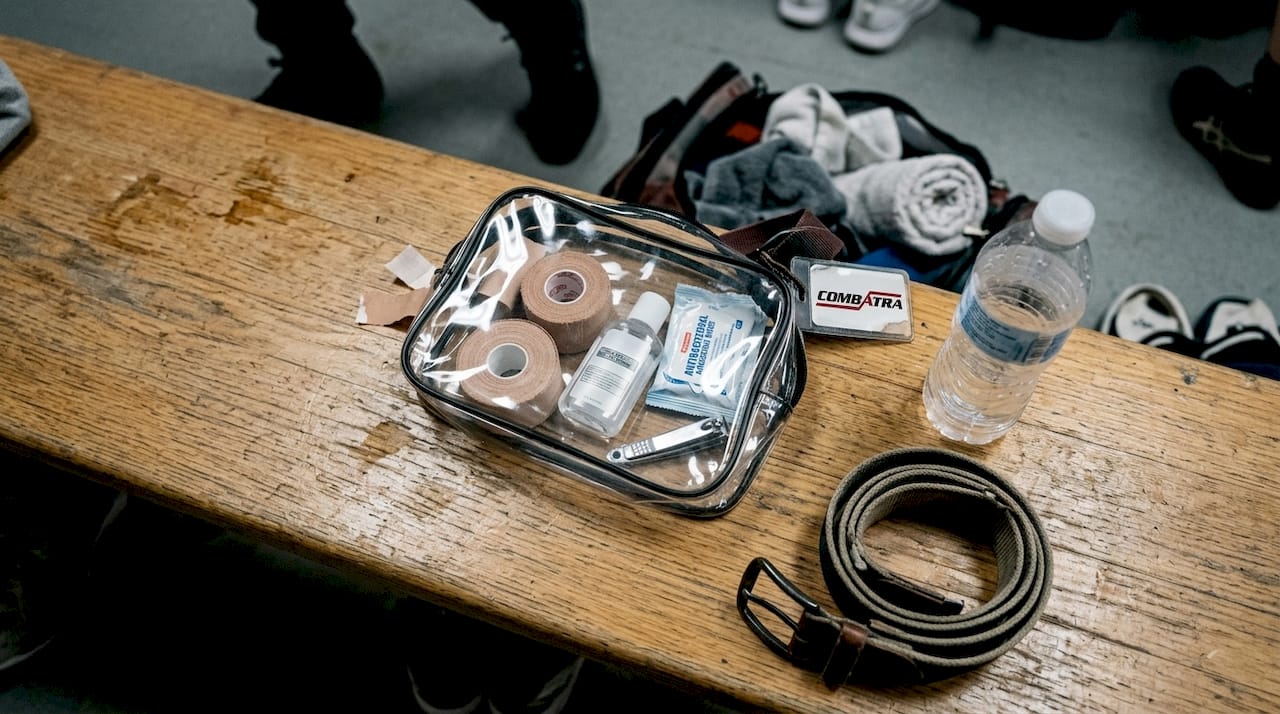
Athletic tape serves double duty for joint protection and quick fixes. Finger tape helps stabilize joints during grips and can prevent hyperextension injuries during scrambles. It's also useful for covering small cuts or abrasions that might otherwise prevent you from competing. Pack at least two rolls: one for pre-match taping and another as backup for repairs between rounds. Some competitors also bring medical tape for securing rashguards or fixing gi tears in emergencies.
Flip-flops or slides are non-negotiable for mat hygiene. Tournaments require footwear when you step off the competition mats to prevent the spread of skin infections like ringworm and athlete's foot. Walking barefoot in common areas exposes you to pathogens that thrive in warm, moist environments. Keep your flip-flops immediately beside your gear bag so you can slip them on the moment you leave the mat.
Round out your hygiene kit with antibacterial wipes, hand sanitizer, and a small first aid supply. Wipes let you clean your hands and face between matches, removing sweat and mat residue. Pack a few adhesive bandages for minor scrapes and a small tube of antibiotic ointment. If you wear a mouthguard, bring a sealed container and cleaning solution to keep it sanitary between uses.
Pro Tip: Create a pre-tournament hygiene checklist on your phone and review it 48 hours before competition day. This gives you time to address issues like overgrown nails, skin irritations, or equipment repairs without last-minute panic.
Comfort and recovery items for long competition days
Tournament days stretch far longer than most competitors anticipate. Brackets run behind schedule, matches get delayed, and you might wait hours between your divisions. Competition days last 4-8+ hours with unpredictable timing, making comfort gear essential for maintaining physical readiness and mental focus throughout the event.
Pack at least one extra dry rashguard or moisture-wicking shirt to change into after matches. Sitting in sweat-soaked clothing between rounds drops your body temperature, tightens muscles, and increases injury risk. A fresh shirt keeps you warm and comfortable during long waits. If you're competing in multiple divisions, bring enough changes to stay dry all day. The same principle applies to your gi: a second complete uniform lets you compete in fresh, dry gear if your first match leaves you drenched.
Temperature regulation becomes critical during extended tournaments. Venues range from overheated gyms to air-conditioned convention centers, and your body temperature fluctuates dramatically between warming up, competing, and recovering. Bring sweatpants and a hoodie to maintain warmth during downtime. Your muscles need consistent temperature to stay loose and ready, and getting cold between matches can lead to pulls, strains, or reduced performance.
A small towel serves multiple purposes throughout the day. Use it to wipe sweat from your face and hands, maintaining grip during matches. It also provides a clean surface to sit on and helps you dry off after changing shirts. Choose a quick-dry microfiber towel that won't take up much bag space but absorbs moisture effectively.
Fueling your body properly makes or breaks long tournament days. Pack the following items:
- Water bottles to maintain hydration without relying on venue options
- Electrolyte packets or sports drinks to replace minerals lost through sweat
- Easy-to-digest snacks like bananas, energy bars, or rice cakes for steady energy
- Avoid heavy meals that cause sluggishness or digestive discomfort before matches
- Time your eating around your bracket schedule, consuming small amounts regularly rather than large meals
Pro Tip: Pack a small notebook and pen for mental preparation. Use downtime to visualize your game plan, review technique notes, or journal about your performance between matches. This keeps your mind engaged and focused rather than spiraling into anxiety during long waits.
Here's a quick reference for timing your nutrition and recovery:
| Time before match | Action | Purpose |
|---|---|---|
| 2-3 hours | Light meal with carbs and protein | Provides sustained energy without digestive issues |
| 1 hour | Small snack like banana or energy bar | Tops off fuel stores |
| 30 minutes | Sip water, begin dynamic warm-up | Hydration and muscle activation |
| Immediately after | Electrolyte drink, protein snack | Begins recovery process |
Understanding BJJ apparel terms helps you communicate gear needs with vendors at tournaments if you need emergency replacements.
Logistics and paperwork for smooth tournament entry
Even perfect gear preparation falls apart without proper documentation. Tournament registration requires specific paperwork, and missing items can delay your check-in or prevent you from competing entirely. Start with a government-issued photo ID. Officials use this to verify your identity during weigh-ins and match you to your registration. Your ID also confirms your age for age-division placement, which becomes especially important for youth and master competitors where divisions have strict cutoffs.
Your registration confirmation serves as proof of entry and contains critical information about your divisions, estimated match times, and check-in requirements. Print a physical copy as backup even if you have the digital version on your phone. Tournament venues often have spotty wifi or cellular service, and a dead phone battery shouldn't prevent you from accessing your registration details. The confirmation also includes your competitor number, which you'll need for bracketing and scheduling updates.
Many tournaments require current membership in their governing organization. IBJJF events need an active IBJJF membership card, NAGA tournaments require NAGA membership, and local organizations have their own systems. Verify your membership status weeks before the tournament and bring your membership card or digital proof. Expired memberships can usually be renewed on-site, but this costs extra time and money when you should be warming up.
Cash and cards both play important roles on tournament day. Bring enough cash for parking fees, which many venues charge separately. You'll also want money for food if the wait between divisions runs long and you need more than your packed snacks. Keep a credit or debit card for emergency gear purchases. Tournament vendors sell replacement gis, rashguards, tape, and other essentials, but they rarely accept cash-only transactions. Having payment options prevents gear disasters from ending your day.
Arrive at least 90 minutes before your scheduled division start time. This buffer accommodates unexpected traffic, parking delays, and long check-in lines. You'll need time for weigh-ins, gear inspection, and a proper warm-up routine. Rushing through these steps increases anxiety and reduces performance. Use the extra time to scout the venue layout, locate your mat assignment, and mentally prepare for competition.
When personalizing your BJJ gi, ensure all custom patches comply with tournament regulations before adding them permanently. This prevents costly mistakes and gear rejection.
Gear up for competition success with Combatra
Now that you understand exactly what to bring, ensure your competition gear meets the highest standards of quality and compliance. Combatra specializes in premium, customizable BJJ equipment designed specifically for tournament performance. Our customizable MMA fight shorts feature reinforced stitching and flexible fabric that moves with you during scrambles, with no pockets or metal components to violate no-gi rules.

For rashguard competitors, our build-your-own compression tops let you design gear that perfectly matches IBJJF color requirements while expressing your personal style. Choose your base color, add your belt rank indicators, and customize with your name or team logo. Every rashguard uses moisture-wicking fabric that stays in place during matches.
Gi competitors can create competition-ready uniforms with our personalized Brazilian Jiu Jitsu gi line. Select from IBJJF-legal white or black options, add custom embroidery, and ensure perfect fit with our detailed sizing guide. Each gi undergoes rigorous quality control to meet tournament standards right out of the package.
What should I do if my gi gets damaged during tournament day?
Carry at least one complete backup gi including pants, jacket, and belt in your tournament bag. Gi damage happens frequently during competition, whether from aggressive grips tearing fabric or seams splitting under pressure. Inspect your backup gi before leaving home to confirm it meets all competition requirements for color, patches, and measurements. If your primary gi gets rejected at inspection or damaged during a match, you can swap to your backup immediately without missing your next division or forfeiting due to uniform issues.
How early should I arrive at the tournament venue?
Plan to arrive at least 90 minutes before your first scheduled match time. Early arrival reduces stress by providing adequate time for parking, check-in, weigh-ins, gear inspection, and a complete warm-up routine. Many tournaments run ahead of or behind schedule, and arriving early lets you adapt to timing changes without panic. Use the extra time to scout your competition mat, review your game plan, and complete your mental preparation routine. This buffer also accounts for unexpected delays like traffic, parking difficulties, or long registration lines that could otherwise rush your pre-match preparation.
Why are flip-flops important during BJJ tournaments?
Wear flip-flops or slides whenever you step off the competition mats to maintain foot hygiene and comply with tournament rules. Footwear prevents mat infections like athlete's foot, ringworm, and staph that spread rapidly in warm, moist tournament environments. Walking barefoot in bathrooms, locker rooms, or common areas exposes your feet to pathogens that other competitors track through the venue. Most tournaments explicitly require footwear off the mats, and violating this rule can result in warnings or disqualification. Keep your flip-flops immediately accessible in your gear bag so you can slip them on the moment you finish your match.
Should I bring my own water and snacks to tournaments?
Absolutely bring your own hydration and nutrition supplies rather than relying on venue concessions. Tournament days stretch 4-8+ hours with unpredictable breaks between matches, and maintaining steady energy levels directly impacts your performance. Pack multiple water bottles, electrolyte packets, and easy-to-digest snacks like bananas, energy bars, or rice cakes. Venue food options are often limited, expensive, or unsuitable for pre-competition eating. Having your own supplies lets you fuel consistently on your schedule rather than hunting for food during critical warm-up windows. Proper hydration and nutrition prevent energy crashes, maintain muscle function, and keep your mind sharp throughout the day.