
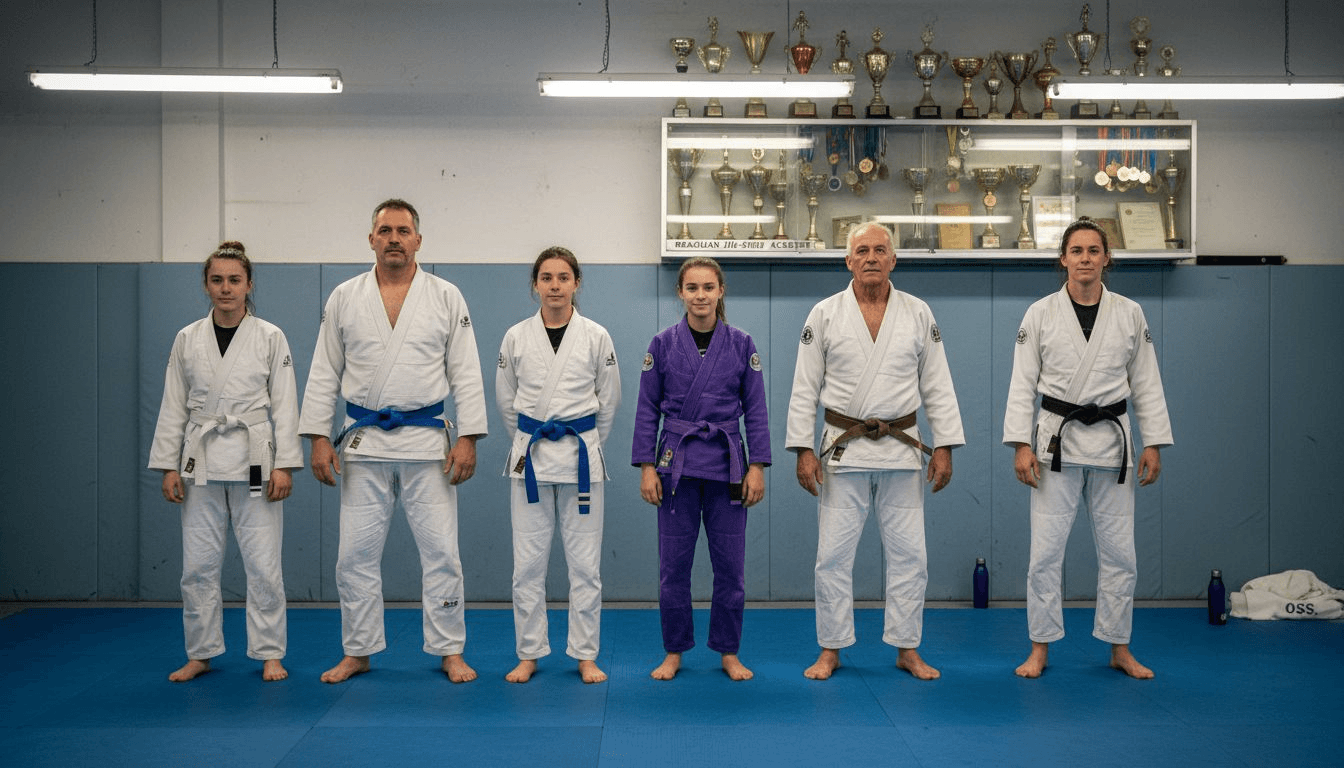
Preparing for major tournaments across North America and Europe often means facing strict requirements tied to your Brazilian Jiu-Jitsu belt rank. Understanding the structured progression system and how each belt level translates into competition eligibility or equipment options is essential for seasoned practitioners. This guide unpacks the rigorous evaluation standards, differences between youth and adult advancement, and the practical impact of belt hierarchy on customizing your gear for competitive success.
Table of Contents
Key Takeaways
| Point | Details |
| BJJ Belt Ranking System | The BJJ belt progression is a structured, merit-based system emphasizing technical knowledge, practical application, and ethical development. |
| Adult vs. Youth Belt Levels | There are significant differences in progression structures between youth and adult BJJ practitioners, focusing on different skill recognition methods appropriate for their development stages. |
| Promotion Criteria | Belt promotions require clear demonstrations of technical proficiency, consistent performance, and instructor assessment rather than just time spent training. |
| Equipment Customization | A practitioner’s belt rank influences equipment personalization, with distinct guidelines for customizing gear reflecting their journey and competitive status. |
Core Principles of BJJ Belt Ranking
Brazilian Jiu-Jitsu (BJJ) belt ranking represents a structured progression system that symbolizes a practitioner’s growing technical proficiency and martial arts mastery. Ranking system fundamentals demonstrate a hierarchical approach to skill development that goes far beyond mere colored fabric.
The BJJ belt progression follows a deliberate, merit-based sequence that challenges practitioners to continuously improve their skills. Key principles of this ranking system include:
-
Technical Knowledge: Mastery of specific techniques and movements
-
Practical Application: Demonstrating skills through sparring and competition
-
Time Investment: Consistent training and dedication
-
Ethical Development: Personal growth and martial arts philosophy
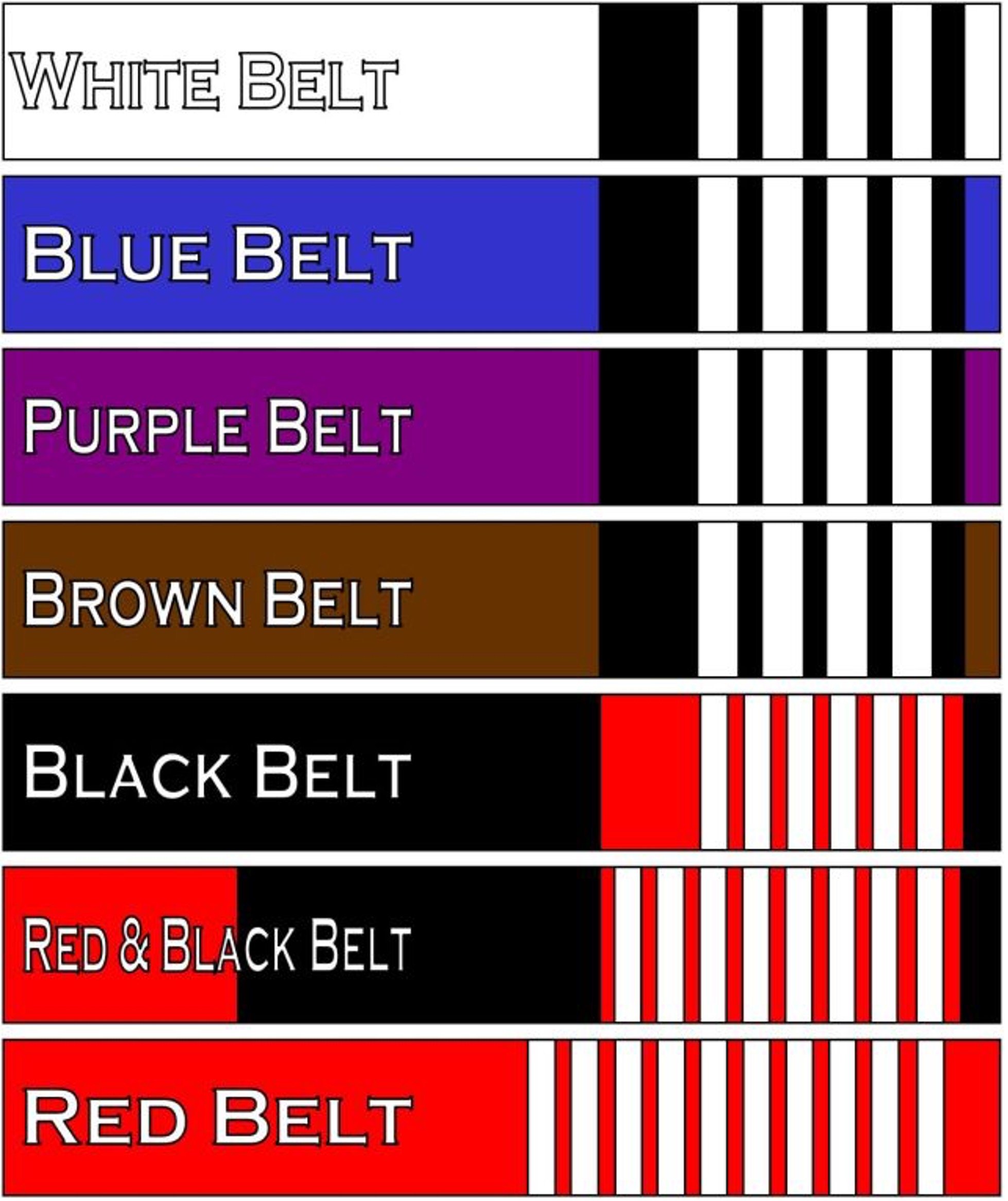
The traditional BJJ belt order starts with white belt and advances through blue, purple, brown, and ultimately black belt. Each transition requires not just technical prowess but also significant personal commitment. Belt progression stages emphasize both physical skills and mental fortitude.
Unlike many martial arts, BJJ belt advancement is notoriously conservative. Instructors carefully evaluate a student’s capabilities, ensuring that each promotion represents genuine skill development rather than simple time-based progression. This approach maintains the art’s integrity and ensures high-quality skill transmission.
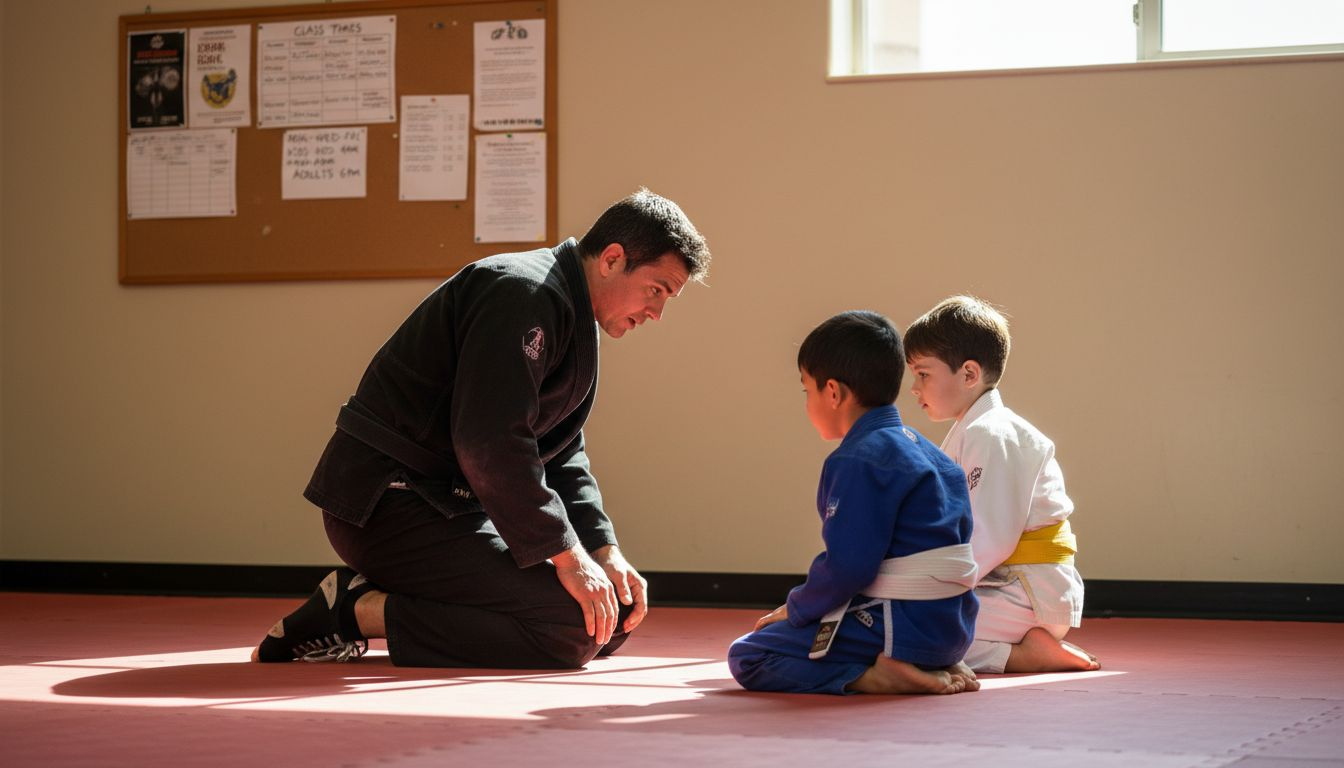
Pro tip: Focus on consistent training and technical improvement rather than rushing toward your next belt rank.
Adult and Youth Belt Levels Compared
Brazilian Jiu-Jitsu (BJJ) belt systems demonstrate significant variations between youth and adult practitioners, with unique progression structures designed to accommodate different developmental stages. Youth belt progression reflects a more nuanced approach to skill recognition and motivation.
Youth Belt Progression Characteristics:
-
White Belt: Initial entry point for children
-
Grey Belt: First technical development stage
-
Yellow Belt: Intermediate skill development
-
Orange Belt: Advanced youth technical skills
-
Green Belt: Highest youth belt before adult transition
Adult belt systems, by contrast, maintain a more streamlined progression. Belt system requirements typically involve fewer color transitions but demand substantially higher technical mastery. The adult belt sequence includes white, blue, purple, brown, and black belts, with each representing increasingly complex skill sets and philosophical understanding of the martial art.
The transition from youth to adult belts is not automatic and requires careful assessment. Instructors evaluate technical proficiency, physical capabilities, mental maturity, and overall martial arts comprehension. Some practitioners might repeat certain belt levels during this critical transfer to ensure they meet the rigorous adult system standards.
Competition rules and training approaches also differ significantly between youth and adult practitioners. Youth systems prioritize engagement and continuous learning, while adult systems emphasize competitive performance and deep technical expertise.
Here is a comparison of adult and youth BJJ belt progressions and their core differences:
| Category | Youth System Features | Adult System Features |
| Belt Sequence | Five distinct colored belts | Fewer, traditional belts |
| Transition Rules | Structured, age-based | Performance and skill-based |
| Focus Areas | Motivation and engagement | Technical mastery, philosophy |
| Promotion Pace | Faster, milestone-driven | Slower, skill-driven |
| Competition Style | Emphasizes learning | Emphasizes performance |
Pro tip: Focus on consistent skill development during youth training to create a strong foundation for adult Brazilian Jiu-Jitsu progression.
Promotion Criteria and Timeline Expectations
Brazilian Jiu-Jitsu (BJJ) belt promotions represent a complex evaluation process that goes far beyond simple time-based progression. Each belt transition requires practitioners to demonstrate comprehensive technical skills, physical performance, and philosophical understanding of the martial art.
Typical Promotion Criteria Include:
-
Technical Proficiency: Mastery of specific techniques and movements
-
Sparring Performance: Consistent effectiveness during live training
-
Tournament Results: Competitive achievements at current belt level
-
Training Consistency: Regular attendance and dedicated practice
-
Instructor Assessment: Holistic evaluation of overall martial arts development
Timeline expectations for belt progression vary significantly between practitioners. On average, practitioners might anticipate the following rough progression:
-
White to Blue Belt: 1-2 years
-
Blue to Purple Belt: 2-3 years
-
Purple to Brown Belt: 3-4 years
-
Brown to Black Belt: 3-5 years
Promotions are not guaranteed and depend entirely on individual performance and instructor evaluation. Some practitioners might advance more quickly, while others might require additional time to develop necessary skills. Skill demonstration matters far more than calendar time.
The following table summarizes typical BJJ promotion timelines and advancement factors:
| Belt Level Change | Average Timeline | Key Advancement Factor |
| White to Blue | 1–2 years | Consistency and basics |
| Blue to Purple | 2–3 years | Technical breadth |
| Purple to Brown | 3–4 years | Competitive experience |
| Brown to Black | 3–5 years | Philosophical understanding |
Promotions reflect personal growth, not just technical competence, but a deeper understanding of Brazilian Jiu-Jitsu’s underlying philosophy and principles.
Pro tip: Document your training progress through videos and technique journals to help your instructor accurately assess your development.
Role of Stripes and Competition Eligibility
In Brazilian Jiu-Jitsu, stripes serve as a critical microcosm of progression, representing incremental skill development between major belt promotions. Competition eligibility rules create a structured pathway for practitioners to demonstrate their evolving technical capabilities.
Stripe Allocation Mechanics:
-
First Stripe: Initial technical understanding
-
Second Stripe: Improved technique execution
-
Third Stripe: Advanced skill demonstration
-
Fourth Stripe: Near-readiness for belt promotion
-
Fifth Stripe: Exceptional performance at current belt level
Competition eligibility is closely tied to stripe progression. Practitioners typically must earn four stripes before becoming eligible for a belt promotion, with each stripe representing a significant milestone in technical development. Tournament performance plays a crucial role, as winning consecutive competitions can sometimes accelerate or influence promotion considerations.
The stripe system provides multiple benefits beyond mere recognition. It motivates practitioners by offering tangible markers of progress, helps instructors track individual development, and creates a transparent framework for skill assessment. Competitive momentum becomes a key factor in a practitioner’s journey, with stripes serving as both motivational benchmarks and technical evaluation tools.
Stripes are not just decorative elements, but meaningful indicators of a practitioner’s dedication, skill refinement, and potential for future advancement.
Pro tip: Track your stripe progression systematically and discuss your development regularly with your primary instructor to understand your martial arts trajectory.
Implications for Equipment Customization
In Brazilian Jiu-Jitsu, belt ranking directly influences equipment personalization, creating a unique visual language of martial arts progression. Bjj equipment customization reflects a practitioner’s technical journey and competitive status.
Equipment Customization Considerations by Belt Level:
-
White Belt: Basic, standard equipment with minimal personalization
-
Blue Belt: Introduction of personalized patches and embroidery
-
Purple Belt: Advanced gi styling and more sophisticated design elements
-
Brown Belt: Complex personal branding and unique color combinations
-
Black Belt: Elite-level customization with significant personal identity markers
Patch placement, gi color, and design elements become increasingly nuanced with belt progression. Practitioners can strategically use equipment customization to communicate their technical expertise, school affiliation, and personal martial arts philosophy. Competitive recognition drives many customization choices, with subtle design elements signaling rank and experience.
Competition regulations impose specific guidelines on equipment personalization. Colors, patch sizes, and placement are carefully regulated to ensure fair representation and maintain the sport’s professional standards. These rules transform equipment customization from mere aesthetic preference to a strategic form of martial arts communication.
Equipment customization in Brazilian Jiu-Jitsu is more than decoration—it’s a visual narrative of a practitioner’s dedicated martial arts journey.
Pro tip: Consult your instructor about appropriate customization guidelines before investing in personalized BJJ equipment.
Elevate Your BJJ Journey with Personalized Gear from Combatra
Mastering Brazilian Jiu-Jitsu belt ranking requires dedication to technical growth and personal development. As you progress through stripes and belts, your equipment should reflect your evolution and commitment to the art. Combatra understands the importance of this journey and offers premium custom-designed GIs and training apparel that align with your rank and personal style.
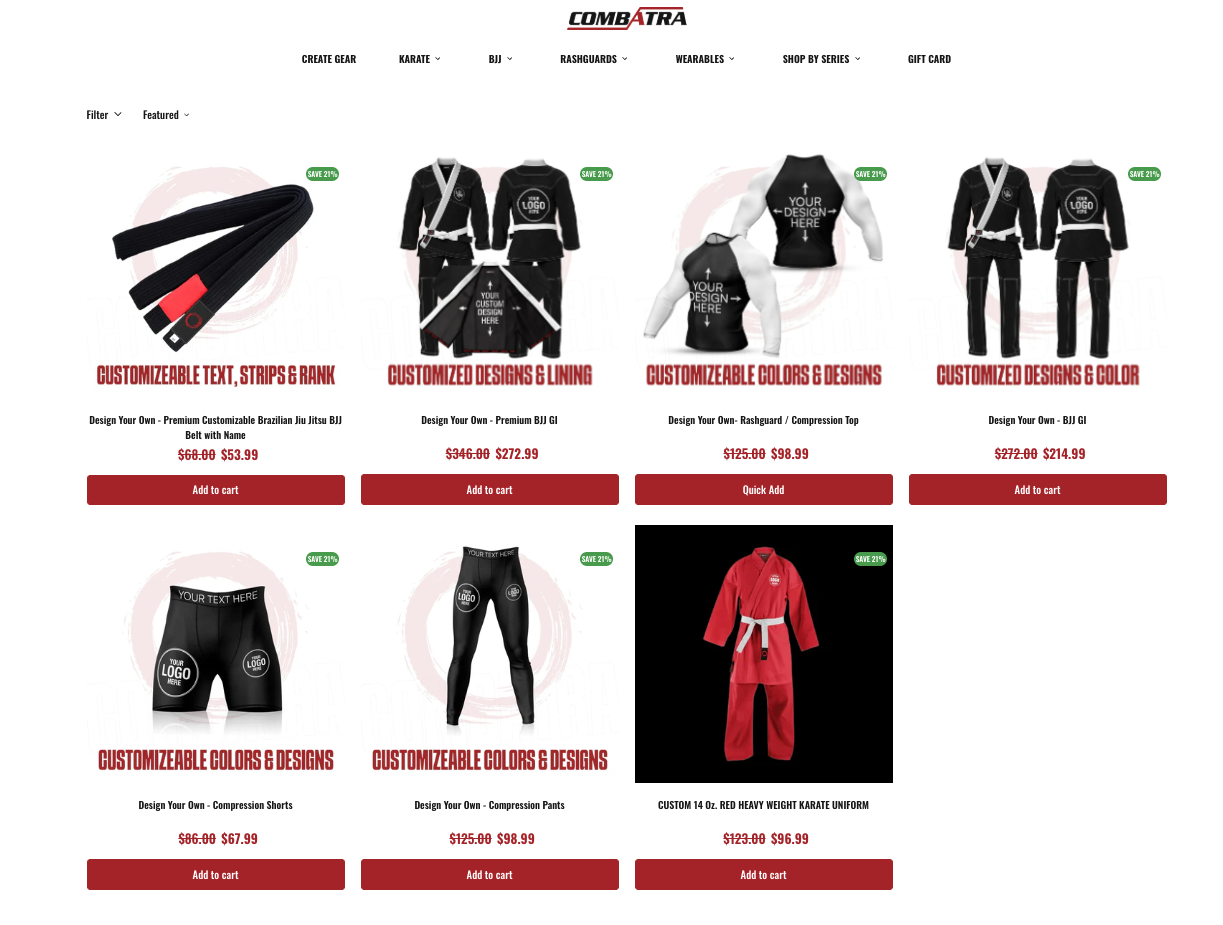
Take control of your martial arts narrative by choosing gear that highlights your current belt level and competitive edge. Visit Combatra today to explore personalized sportswear and equipment crafted to support your advancement in Brazilian Jiu-Jitsu. Don’t wait until your next stripe to enhance your training experience—gear up now and show your dedication boldly on the mat.
Frequently Asked Questions
What are the core principles of BJJ belt ranking?
The core principles include technical knowledge, practical application, time investment, and ethical development, representing a systematic progression in a practitioner’s martial arts mastery.
How long does it typically take to progress between BJJ belt levels?
On average, transitioning from white to blue belt takes 1-2 years, blue to purple belt 2-3 years, purple to brown belt 3-4 years, and brown to black belt 3-5 years, depending on individual performance and skill development.
What is the significance of stripes in the BJJ ranking system?
Stripes represent incremental skill development and motivate practitioners by providing clear milestones before moving up in belt rank. Typically, four stripes are needed before becoming eligible for a belt promotion.
How does equipment customization vary with different BJJ belt ranks?
As practitioners progress in rank, customization of their gear evolves; white belts use standard equipment, while higher ranks can include personalized patches, unique designs, and advanced branding that reflect their experience and identity.