
Beginners lose 30% of training time fumbling with unfamiliar gear terms, according to recent academy surveys. Understanding BJJ apparel vocabulary transforms confusion into confident choices that protect you and extend your mat life. This guide decodes essential terminology across gi and no-gi styles, protective equipment, and maintenance practices so you can focus on technique instead of wondering what a rashguard actually does.
Table of Contents
- Introduction To BJJ Apparel Terminology
- Understanding The BJJ Gi: The Cornerstone Of BJJ Apparel
- Essential BJJ Apparel Terms And Their Functions
- Comparing Gi Vs. No-Gi Apparel: Terms And Implications
- Choosing And Fitting Your First BJJ Gi
- Safety And Protective Gear Terms Every Beginner Should Know
- Maintaining And Caring For BJJ Apparel
- Common Misconceptions About BJJ Apparel
- Get The Right BJJ Gear At Combatra
- Common Questions About BJJ Apparel For Beginners
Key Takeaways
| Point | Details |
|---|---|
| Core apparel terms | Gi, rashguard, belt, and spats form the foundation of BJJ vocabulary for both training styles. |
| Safety impact | Mouthguards reduce dental injuries by 85% while proper gear prevents mat burns and infections. |
| Fit matters | Correct sizing balances mobility with competition compliance and prevents disqualification. |
| Care extends life | Cold water washing and air drying can extend gi lifespan by up to 50%. |
Introduction to BJJ Apparel Terminology
You walk into your first BJJ class and hear someone mention their pearl weave gi needs airing out after rolling in their spats. What?
The specialized language around BJJ clothing creates an invisible barrier for newcomers. Terms like weave types, GSM ratings, and IBJJF compliance sound like secret codes. This vocabulary gap affects more than conversation. It impacts your ability to choose safe, appropriate gear for training and competition.
BJJ has two main training styles that require different apparel. Gi training involves the traditional uniform that allows gripping techniques. No-gi focuses on body control using tight-fitting athletic wear. Each style demands specific terminology knowledge.
Key apparel categories include:
- Training uniforms (gi jacket, pants, belt for traditional training)
- Performance wear (rashguards, grappling shorts, spats for no-gi)
- Protective equipment (mouthguards, ear guards, finger tape)
- Hygiene essentials (proper undergarments, antimicrobial treatments)
Understanding these terms empowers you to make informed purchases, follow gym protocols, and avoid embarrassing mistakes. The right vocabulary helps you communicate needs to instructors and training partners while ensuring your gear meets safety standards.
Understanding the BJJ Gi: The Cornerstone of BJJ Apparel
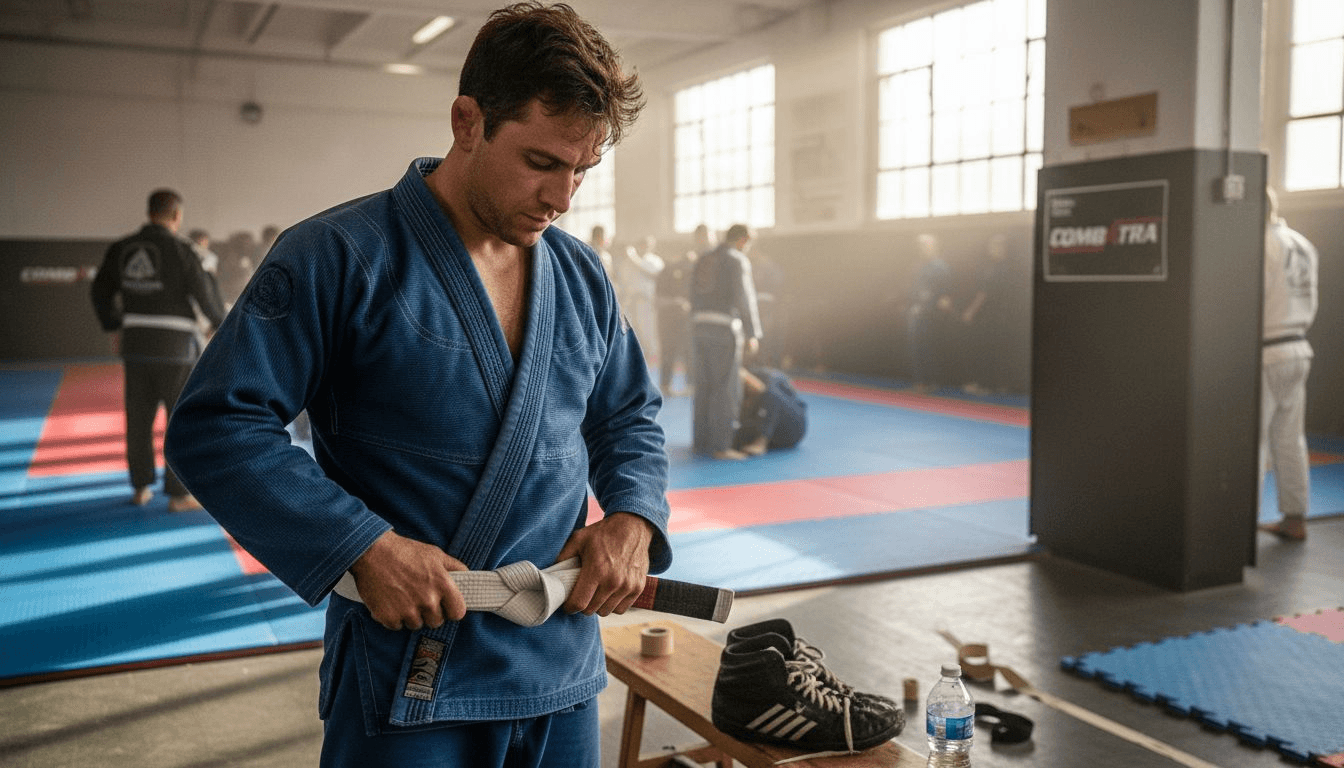
The gi serves as BJJ's foundational uniform. This traditional outfit consists of a jacket, pants, and belt made from thick cotton canvas with reinforced stitching designed to survive constant pulling, twisting, and friction.
Three main components form every gi. The jacket (kimono) features a thick collar that opponents grip during techniques. The pants use a drawstring waist and reinforced knees. The belt wraps around your waist twice and indicates your rank through color.
Fabric weight dramatically affects performance. Most gis range from 350 to 650 grams per square meter. Lighter weights offer comfort in hot weather but wear faster. Heavier fabrics provide durability but trap more heat during intense rolling sessions.
Weave types determine how the fabric feels and performs:
- Single weave creates lightweight, breathable gis perfect for beginners and warm climates
- Pearl weave balances weight and durability with its signature bumpy texture
- Gold weave offers maximum durability for competitors who train daily
- Ripstop weave resists tears through a grid pattern reinforcement
Pro Tip: Buy your first gi one size larger than street clothes since cotton shrinks 5 to 10% even with cold washing.
Reinforced stitching appears at stress points like armpits, knee patches, and collar connections. This extra threading prevents seam failure during intense grappling. Quality construction means your gi survives hundreds of training sessions.
The importance of a properly fitted gi extends beyond comfort. Competition rules specify exact measurements for sleeves, pants, and jacket length. Understanding these standards prevents disqualification.
Many practitioners eventually explore custom gi options that reflect personal style while maintaining performance standards. Customization ranges from embroidered patches to completely unique color schemes.
Essential BJJ Apparel Terms and Their Functions
Beyond the gi, several specialized items complete your training wardrobe. Each piece serves specific protective or performance functions.
Rashguards protect your largest organ. These tight, moisture-wicking shirts made from spandex or nylon blends prevent mat burns, skin abrasions, and reduce bacteria transfer during training. They work as standalone tops in no-gi or base layers under your gi jacket.
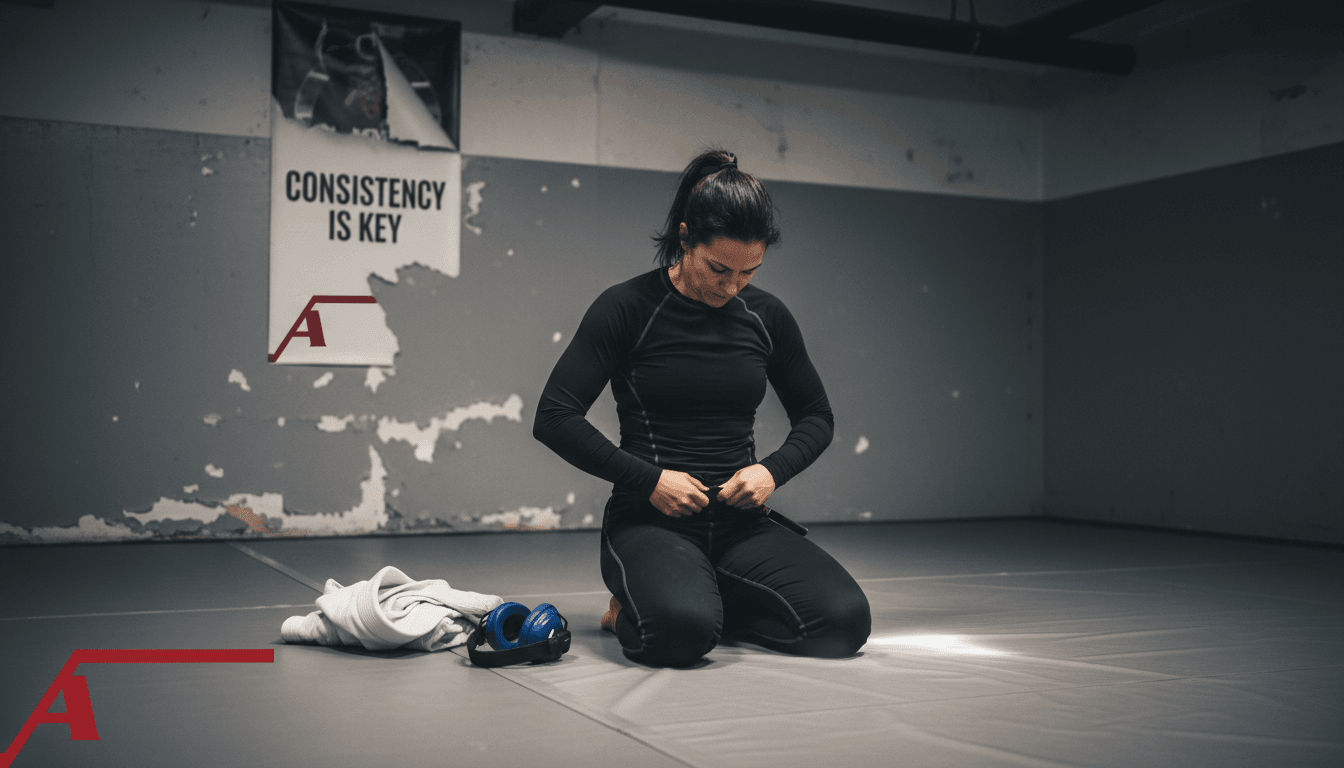
The compression fit serves multiple purposes. It reduces friction against mats and opponents while wicking sweat away from skin. The tight weave blocks bacteria and fungi that thrive in warm, moist environments. Many rashguards feature antimicrobial treatments for extra protection.
Selecting the right rashguard involves considering sleeve length, fit tightness, and fabric blend. Long sleeves offer maximum skin coverage while short sleeves provide better cooling. Understanding why BJJ athletes prioritize rashguards helps you appreciate their comprehensive benefits for hygiene and performance.
Belts represent more than decoration. The colored fabric indicates your skill level and time invested. White belts start the journey while black belts demonstrate mastery earned through years of dedication. Your belt must be tied correctly and worn at all times during gi training.
Grappling shorts differ from regular athletic wear. They feature elastic waistbands, reinforced stitching, and absolutely no pockets or zippers. These design elements prevent finger injuries and eliminate snagging hazards during scrambles.
Protective gear includes several essential items:
- Mouthguards shield teeth and reduce concussion risk during accidental impacts
- Ear guards prevent cauliflower ear from repeated friction and compression
- Finger tape supports joints stressed by constant gripping
- Knee pads cushion impact during takedowns and guard work
Pro Tip: Always wear a rashguard under your gi jacket even when optional, as the extra layer dramatically reduces skin infections and extends your gi's lifespan by absorbing sweat.
Comparing Gi vs. No-Gi Apparel: Terms and Implications
Understanding the fundamental differences between gi and no-gi apparel helps you prepare for both training styles.
Gi apparel uses heavyweight cotton construction. The thick fabric supports grip-based techniques where you control opponents through their uniform. Jackets weigh 450 to 550 GSM while pants range from 300 to 400 GSM. Reinforced stitching at collars, lapels, and knees handles constant stress from pulling and twisting.
No-gi clothing prioritizes mobility through lightweight synthetics. Spandex and nylon blends create second-skin fits that eliminate grip points. The stretchy material moves with your body during dynamic transitions and scrambles. You control opponents through body positioning rather than fabric manipulation.
Grappling shorts must have no pockets or zippers with elastic waistbands and reinforced stitching for safety and durability. Board shorts and regular athletic shorts create dangerous snagging hazards that can break fingers or cause joint injuries.
| Feature | Gi Apparel | No-Gi Apparel |
|---|---|---|
| Primary Fabric | Cotton canvas (450-550 GSM) | Spandex/nylon blend (lightweight) |
| Fit Style | Loose with reinforced stress points | Compression fit, second-skin tight |
| Grip Strategy | Uniform gripping allowed and expected | Body control only, no fabric gripping |
| Rule Compliance | IBJJF specifications for measurements | No pockets or hard fasteners required |
Hygiene practices differ between styles. Gi fabric absorbs significant sweat that requires immediate washing after every session. The thick cotton breeds bacteria rapidly in warm environments. No-gi synthetics dry faster but trap odor-causing bacteria in the tight weave, demanding equally diligent cleaning.
Maintenance costs vary significantly. Gis require more frequent replacement due to heavy wear on high-stress areas. A quality gi lasts 1 to 2 years with regular training. No-gi gear typically lasts longer since the stretchy fabric distributes stress more evenly.
Temperature management affects apparel choice. Heavy gis trap heat and cause faster fatigue in warm training rooms. Lightweight no-gi gear keeps you cooler but offers zero friction protection against mat burns.
Choosing and Fitting Your First BJJ Gi
Your first gi purchase sets the foundation for training comfort and performance. Several factors determine the right choice.
Proper fit balances mobility with rule compliance. Sleeves must reach your wrists with arms extended but not cover your hands. Pants should reach your ankles without bunching at the bottom. The jacket must close completely across your chest with at least 5 inches of overlap.
IBJJF competition rules specify exact measurements. Jacket sleeves must end 2 inches from your wrist. Pants must stop 2 inches above your ankle. The skirt (bottom of the jacket) must cover your thighs. These standards prevent strategic advantages through oversized or undersized uniforms.
Weave selection impacts your training experience:
- Single weave suits beginners in warm climates who prioritize comfort
- Pearl weave offers the best all-around balance for regular training
- Gold weave serves competitors who train multiple times daily
- Ripstop weave provides budget durability for rough training styles
Budget considerations matter for new practitioners. Expect to spend $80 to $150 for a quality beginner gi. Cheaper options under $60 typically fail within months. Expensive competition gis over $200 offer minimal benefits until you develop consistent training habits.
Choosing your first gi requires understanding why the gi matters for your BJJ development. Quality construction supports technique refinement while poor gear creates distractions.
Pro Tip: Always verify size charts or try on gis before purchasing since sizing varies dramatically between brands and countries, preventing expensive returns and frustrating delays.
Safety and Protective Gear Terms Every Beginner Should Know
Protective equipment prevents injuries that sideline your training progress. Understanding key terms helps you make informed safety choices.
Mouthguards create an essential protective barrier. These devices reduce dental injuries by approximately 85% while cushioning impacts that cause concussions. Custom-fitted guards offer superior protection compared to boil-and-bite versions. Slim profiles allow normal breathing and communication during rolling.
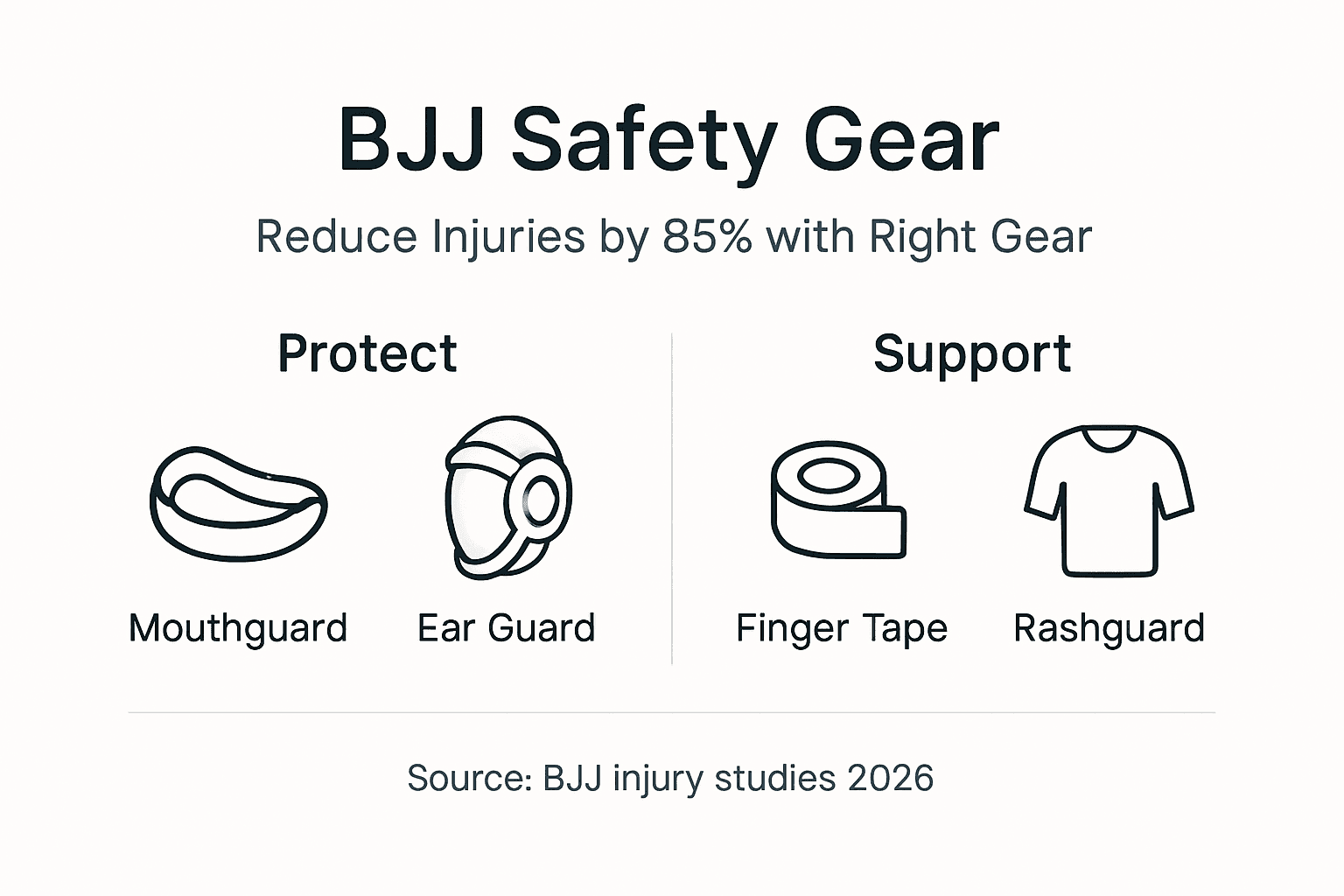
Ear guards shield against cauliflower ear. This permanent deformity occurs when repeated friction and compression damage ear cartilage. The tissue fills with fluid, hardens, and creates the distinctive bumpy appearance. Neoprene or hard-shell guards distribute impact forces and reduce friction.
Finger tape supports joints stressed by constant gripping. The tape reinforces knuckles and finger joints while preventing skin tears from friction. Athletic tape works better than medical tape since it provides compression without cutting off circulation. Many practitioners develop personal taping patterns that address their specific weak points.
Knee pads cushion impacts during takedowns and transitions. The padding absorbs force that would otherwise stress joints and create inflammation. Neoprene sleeves stay in place better than slip-on pads. Thin profiles allow normal movement without bulk.
Hygiene practices for protective gear matter as much as the equipment itself. Mouthguards require daily cleaning with antibacterial soap. Ear guards need regular washing to prevent bacterial buildup. Knee pads should air dry completely between sessions to stop mildew growth.
Key Safety Stat: Properly fitted mouthguards reduce dental injury risk by 85% during BJJ training and competition, making them the single most cost-effective protective investment.
Maintaining and Caring for BJJ Apparel
Proper maintenance extends gear life while protecting your health. Learning care terminology prevents expensive mistakes.
Washing gis in cold water and air drying prevents shrinkage and fabric damage while eliminating bacterial buildup that causes skin infections. Hot water sets stains and accelerates fabric breakdown. Machine drying shrinks cotton unpredictably and weakens stitching.
Daily washing prevents bacteria accumulation. The warm, moist environment inside training gear creates perfect breeding grounds for staph, ringworm, and other pathogens. Waiting even 24 hours before washing allows bacterial colonies to establish and penetrate fabric fibers.
Follow this washing procedure for maximum apparel lifespan:
- Wash your gi immediately after training in cold water with mild detergent
- Turn the gi inside out to protect exterior patches and embroidery
- Use a gentle cycle to reduce fabric stress and preserve stitching
- Add white vinegar (half cup) to eliminate odors and kill residual bacteria
- Air dry by hanging or laying flat in a well-ventilated area
- Store completely dry gear in breathable bags, never sealed containers
Odor prevention requires proactive treatment. Baking soda added to wash cycles neutralizes smell-causing compounds. Antimicrobial sprays between washes reduce bacterial growth. Never leave wet gear in closed gym bags where bacteria multiply rapidly.
Storage location affects gear longevity. Well-ventilated areas allow residual moisture to evaporate. Dark, humid spaces breed mildew that permanently stains fabric and creates musty odors. Hanging gis on wide hangers maintains shape better than folding.
Pro Tip: Never use bleach or fabric softeners on BJJ gear as bleach weakens cotton fibers by up to 40% while softeners coat fabric and reduce moisture-wicking performance.
Common Misconceptions About BJJ Apparel
Several persistent myths mislead beginners about gear choices and priorities.
Many newcomers believe buying three cheap gis beats investing in one quality uniform. This strategy backfires quickly. Budget gis fail within 3 to 6 months as stitching unravels and fabric tears. You end up spending more on replacements than you saved initially. One well-constructed gi lasts 18 to 24 months with proper care.
Rashguards seem optional under the gi to many beginners. This misconception increases infection risk significantly. The base layer absorbs sweat before it saturates your gi, reducing bacterial growth. It creates a friction barrier that prevents mat burns during intense rolling. The hygiene benefits alone justify the extra garment.
New practitioners often skip protective gear early in training. They assume beginners face lower injury risk than advanced students. Reality proves otherwise. Beginners lack the body awareness and technical control that prevents accidental impacts. Your first months carry the highest injury probability.
Some believe expensive gear guarantees better performance. Price indicates quality construction and durability, not magical performance boosts. A $200 gi won't improve your technique faster than a $100 gi. Focus on proper fit and construction quality rather than brand prestige.
The myth that gi color affects training persists in some gyms. White, blue, and black remain the standard options. Color choice impacts heat absorption and stain visibility but nothing else. Competition rules specify acceptable colors, so verify requirements before purchasing specialty hues.
Get the Right BJJ Gear at Combatra
Now that you understand essential BJJ apparel terms, finding quality gear becomes straightforward.
Combatra offers premium BJJ gis engineered for durability and comfort. Each uniform meets competition standards while providing the reinforced construction that survives intense daily training. The fabric blends balance breathability with the heavyweight performance serious practitioners demand.
Customization options let you express personal style without sacrificing functionality. Add custom embroidery, select unique color combinations, or design completely personalized uniforms. Your gear should reflect your personality while maintaining the technical specifications required for performance.
Explore the custom plain black BJJ gi for a versatile option that works across training and competition environments. Need replacement pants? Check out BJJ gi pants in black designed with reinforced knees and proper competition measurements.

Combatra's rashguards and compression gear complete your apparel setup with moisture-wicking fabrics and antimicrobial treatments. The tight construction prevents mat burns while the technical materials regulate temperature during intense rolling sessions.
Common Questions About BJJ Apparel for Beginners
What size gi should a beginner choose for first purchase?
Measure your height and weight, then consult the manufacturer's size chart since sizing varies dramatically between brands. Order one size up if between sizes to account for 5 to 10% cotton shrinkage.
Are rashguards necessary under the gi for training?
Rashguards provide critical hygiene benefits by absorbing sweat before it saturates your gi and creating a bacteria barrier that reduces infection risk. They also prevent mat burns during ground work.
Is a mouthguard really important for beginners in BJJ?
Absolutely, since beginners lack the body control that prevents accidental impacts. Mouthguards reduce dental injuries by 85% and cushion forces that cause concussions, making them essential safety equipment.
How often should I wash my gi to keep it clean?
Wash your gi immediately after every training session without exception. Waiting even 24 hours allows bacteria to establish colonies that penetrate fabric and cause skin infections.
Can I use regular shorts for no-gi training instead of grappling shorts?
Regular shorts create serious safety hazards through pockets and zippers that catch fingers and cause joint injuries. Grappling shorts feature elastic waistbands and no hard fasteners specifically to prevent these dangers.