
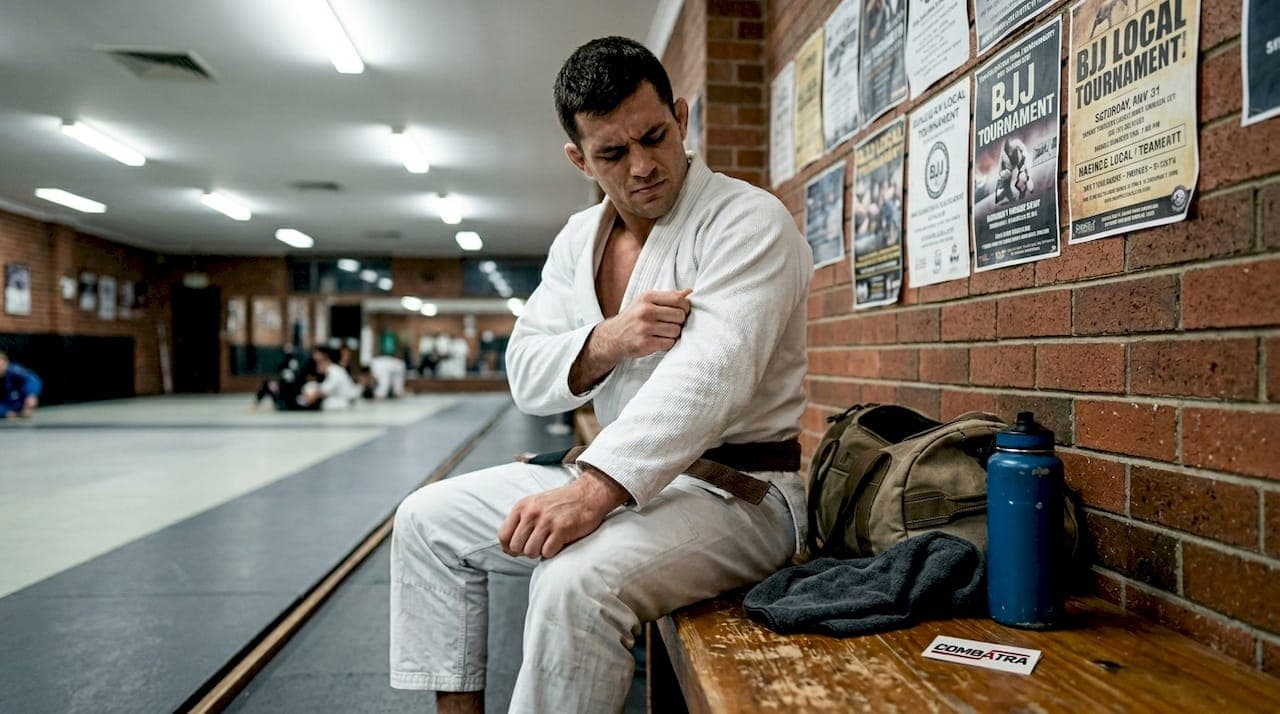
Choosing the right gi can feel overwhelming when you're standing in your academy's humid training room, sweat dripping before warm-ups even start. Australian BJJ practitioners face unique challenges with fabric weight selection because our climate demands breathability without sacrificing the durability and grip resistance needed for serious training. The difference between a 350 GSM and 550 GSM gi isn't just numbers on a tag, it directly impacts your stamina, performance, and comfort during every roll. This guide breaks down exactly what fabric weights work best for Australian conditions, helping you make an informed choice that matches your training style and competitive goals.
Table of Contents
- Key takeaways
- Understanding gi fabric weights and why they matter
- Lightweight versus heavyweight gis: advantages and trade-offs
- Finding the optimal gi fabric weight range for serious Australian practitioners
- Practical advice for Australian BJJ athletes on gi selection and maintenance
- Explore premium gis and gear at Combatra
- Frequently asked questions
Key Takeaways
| Point | Details |
|---|---|
| Breathable weight range | The 350-450 GSM Pearl Weave offers breathability and a balance of durability for hot weather conditions. |
| Grip heavy tradeoff | Heavyweight gis deliver more grip resistance but increase heat retention and fatigue. |
| Optimal all around | Most athletes benefit from 420-500 GSM for a balance of durability and heat management. |
| Multiple gis strategy | Owning multiple gis for different training and competition needs helps you adapt. |
Understanding gi fabric weights and why they matter
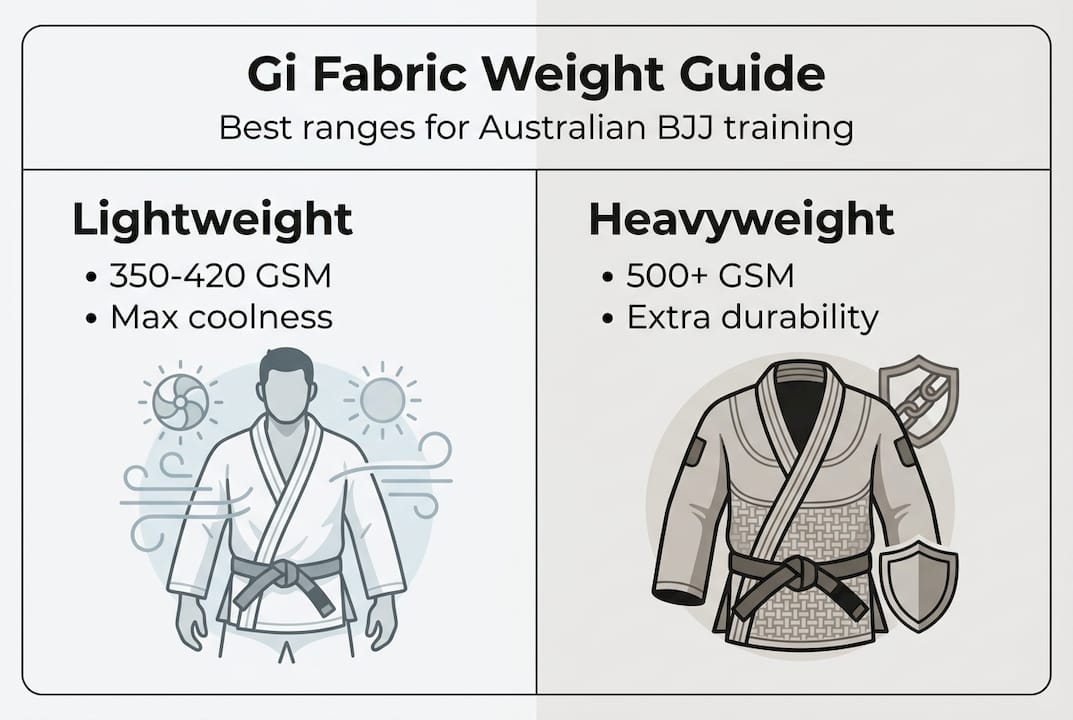
Gi fabric weight measures density in GSM, or grams per square meter. This metric tells you how much material exists in each square meter of fabric, directly affecting breathability, durability, and thermal properties. A 350 GSM gi feels noticeably lighter and cooler than a 550 GSM option because less fabric means better air circulation and reduced heat retention.
Three main weave types dominate the BJJ gi market: Pearl Weave, Gold Weave, and Single Weave. Pearl Weave combines durability with lighter weight through its textured pattern, making it the preferred choice for serious athletes. Gold Weave sits between Pearl and Single in terms of weight and thickness. Single Weave represents the lightest option but sacrifices some durability compared to Pearl construction.
Fabric weight influences every aspect of your training experience. Heavier materials trap more body heat, creating additional thermal stress during intense rolling sessions. Lighter fabrics promote ventilation, allowing sweat to evaporate faster and keeping your core temperature lower. Australia's climate amplifies these differences because training rooms often lack adequate cooling, especially during summer months when temperatures regularly exceed 30°C.
The 350-450 GSM Pearl Weave offers breathability and performance balance that works exceptionally well for hot weather conditions. This weight range provides enough structure for proper technique while preventing the excessive heat buildup that causes premature fatigue. Understanding what is a gi in bjj helps you appreciate why fabric selection matters so much for long-term training success.
Consider these weight categories when shopping:
- Ultra-lightweight: 300-350 GSM (competition specific, limited durability)
- Lightweight: 350-450 GSM (excellent for Australian conditions)
- Medium weight: 450-500 GSM (versatile all-around option)
- Heavyweight: 500-600+ GSM (grip training, cooler climates)
Your gi weight choice affects how quickly you tire during training. A heavier gi adds physical load while simultaneously increasing thermal stress, creating a compound effect on stamina. This becomes especially relevant during competition preparation when you need maximum endurance without unnecessary handicaps.
Lightweight versus heavyweight gis: advantages and trade-offs
Heavyweight gis deliver distinct advantages for specific training scenarios. The extra fabric provides more material for opponents to grip, making it harder for them to establish and maintain control. This grip resistance builds stronger defensive fundamentals because you learn to defend against determined gripping attempts. Heavyweight materials also last longer under regular use, maintaining structural integrity through hundreds of training sessions without significant wear.
Lightweight gis excel in different areas that matter tremendously for Australian practitioners. You feel cooler throughout training because less fabric means better heat dissipation. Your movements become slightly faster and more fluid without the extra weight restricting motion. Energy conservation improves dramatically, studies show heavier gis provide grip resistance but cause faster fatigue in heat, making lightweight options strategically superior for endurance-focused training.
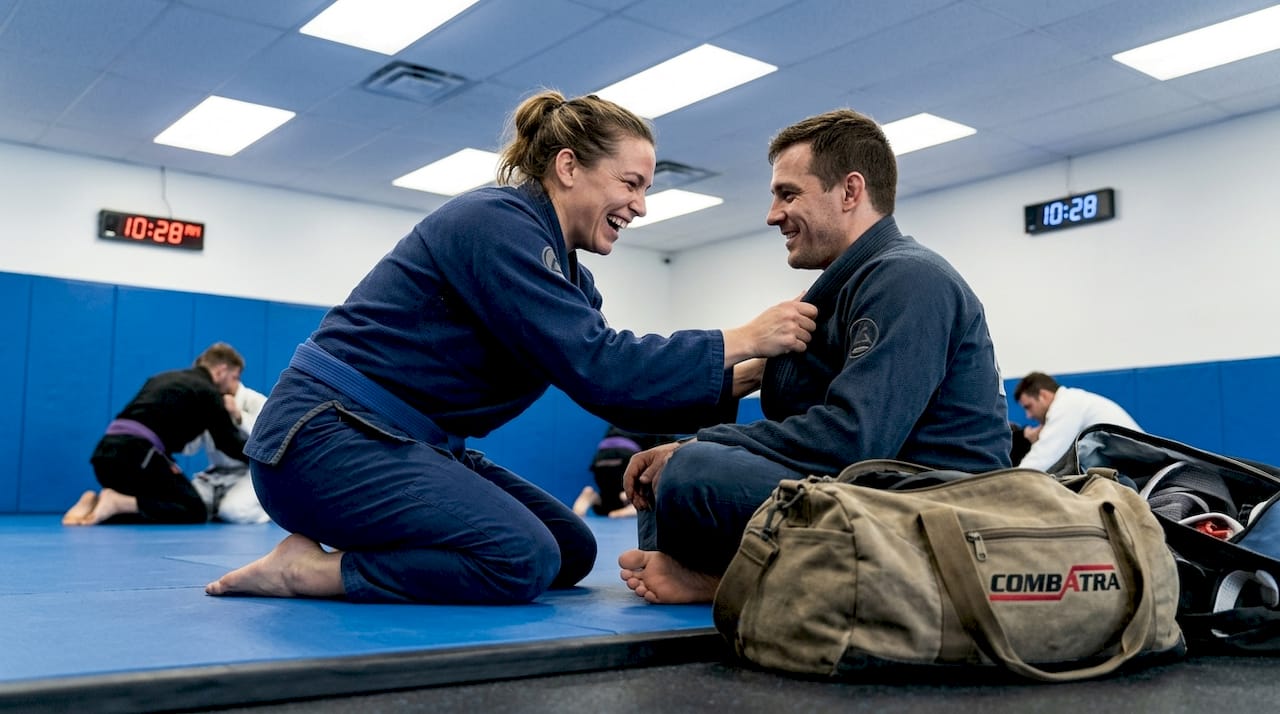
Thermal retention creates the biggest performance gap between weight categories. A heavyweight gi acts like a thermal blanket, trapping body heat and forcing your cardiovascular system to work harder for temperature regulation. This extra physiological demand reduces the energy available for technical execution and explosive movements. Lightweight gis minimize this thermal burden, keeping more energy available for actual grappling.
Competition scenarios favor different weights depending on your strategy. Heavyweight gis suit athletes who rely on strong grips and positional control because the extra fabric supports their game plan. Lightweight options benefit speed-based competitors and those fighting in hot venues. Research confirms 350-450 GSM Pearl Weave gi passes IBJJF grip tests while being lightweight, proving you don't sacrifice competition legality for comfort.
| Gi Weight Category | Grip Resistance | Heat Management | Durability | Best Use Case |
|---|---|---|---|---|
| 350-450 GSM | Moderate | Excellent | Good | Australian training, hot weather competition |
| 450-500 GSM | Good | Good | Excellent | Year-round versatility |
| 500-600+ GSM | Excellent | Poor | Outstanding | Cooler months, grip-focused training |
Pro Tip: Invest in two gis with different weights. Use a lightweight 400 GSM Pearl Weave for regular training to maximize comfort and endurance, then switch to a 480-500 GSM gi one month before competition to acclimate to the extra weight and grip resistance you'll face on tournament day.
The select perfect BJJ gi training 2026 guide provides additional context for matching gi characteristics to your specific goals. Understanding these trade-offs helps you build a gi collection that supports both daily training quality and competition performance.
Key differences to remember:
- Heavyweight gis increase workout intensity through added resistance
- Lightweight gis extend training capacity by reducing thermal stress
- Medium weights (450-500 GSM) offer compromise for varied conditions
- Personal preference matters, some athletes tolerate heat better than others
Finding the optimal gi fabric weight range for serious Australian practitioners
Evidence from experienced practitioners and competition data points to a clear winner for Australian conditions. Expert consensus favors 420-500 GSM Pearl Weave as optimal for durability and heat balance, providing the sweet spot between performance and comfort. This range delivers sufficient fabric strength for regular training abuse while maintaining breathability that prevents excessive heat buildup.
Pearl Weave construction shines in this weight category because its textured pattern creates air pockets that enhance ventilation. The weave structure distributes stress evenly across the fabric, reducing tear risk at common stress points like knees and lapels. This combination of airflow and durability makes Pearl Weave the gold standard for serious practitioners who train multiple times weekly in challenging conditions.
| GSM Range | Thermal Retention | Durability Rating | Competition Legal | Australian Climate Suitability |
|---|---|---|---|---|
| 350-400 | Low | Moderate | Yes (IBJJF) | Excellent |
| 420-500 | Moderate | High | Yes (IBJJF) | Excellent |
| 500-550 | High | Very High | Yes (IBJJF) | Fair to Good |
| 550+ | Very High | Outstanding | Yes (IBJJF) | Poor to Fair |
Selecting your ideal gi weight requires systematic evaluation of your training environment and personal factors. Follow this decision framework:
- Assess your academy's climate control. Gyms with strong air conditioning tolerate heavier gis better than naturally ventilated spaces.
- Evaluate your training frequency. Athletes training five or more sessions weekly benefit more from lightweight gis that reduce cumulative fatigue.
- Consider your body composition. Larger athletes generate more metabolic heat, making lighter gis more critical for comfort.
- Review your competition schedule. Frequent competitors need gis that balance training comfort with competition-day performance.
- Factor in seasonal variation. Even in Australia, winter training allows slightly heavier gis than summer conditions.
Australian heat adaptation requires strategic gear choices beyond just gi weight. Pairing your gi with appropriate undergarments makes a substantial difference. Quality best GSM BJJ rashguards worn under your gi improve moisture wicking and reduce chafing during extended training sessions. The rashguard creates a moisture management system that works with your gi to optimize thermal regulation.
Practical testing reveals performance differences across weight ranges. Athletes report feeling noticeably fresher after two-hour training sessions in 420 GSM gis compared to 550 GSM alternatives. This freshness translates to better technique execution in later rounds and faster recovery between training days. The cumulative effect over weeks and months significantly impacts skill development because you maintain higher quality repetitions when not fighting fatigue.
| Training Duration | 350-420 GSM Performance | 420-500 GSM Performance | 500+ GSM Performance |
|---|---|---|---|
| 60 minutes | Excellent | Excellent | Good |
| 90 minutes | Excellent | Excellent | Fair |
| 120+ minutes | Excellent | Good | Poor (Australian summer) |
Your ideal weight sits somewhere in the 420-500 GSM range unless specific circumstances push you toward extremes. Competition-only athletes might prefer 480-500 GSM for maximum durability and grip resistance. Training-focused practitioners often choose 400-450 GSM for superior comfort during high-volume training weeks.
Practical advice for Australian BJJ athletes on gi selection and maintenance
Building an effective gi rotation starts with understanding your weekly training volume and environmental conditions. Athletes training three to five times weekly should own at least three gis to allow proper drying time between uses. This rotation prevents moisture buildup that degrades fabric and creates odor problems. Include at least one lightweight option (350-420 GSM) for peak summer training and one medium weight (450-480 GSM) for cooler months and competition preparation.
Gi care directly impacts fabric performance and longevity. Wash your gi immediately after training using cold water and mild detergent without fabric softeners. Hot water damages Pearl Weave structure and causes excessive shrinkage. Fabric softeners coat fibers, reducing breathability and moisture wicking properties. Air drying preserves fabric integrity better than machine drying, though low heat tumble drying works if you're short on time.
Recognizing when your gi weight works against you requires attention to specific signals. You're probably training in too heavy a gi if you experience these symptoms:
- Excessive fatigue in the first 30 minutes of training
- Drenched gi that feels significantly heavier by mid-session
- Reduced technique quality in later rounds compared to early rolls
- Prolonged recovery time between training sessions
- Increased heart rate compared to training in lighter gear
Pro Tip: Weigh yourself before and after training sessions while wearing different gi weights. If you lose more than 2% of body weight in a single session, your gi is likely contributing to excessive thermal stress. Switch to a lighter option to optimize hydration and performance.
Data shows lightweight gis reduce thermal retention by approximately 22%, improving training endurance compared to heavyweight alternatives. This reduction translates to tangible performance benefits during extended training sessions. Your technique remains sharper when you're not fighting heat exhaustion alongside your training partners.
Adjusting training intensity based on gi weight prevents overtraining and heat-related issues. When breaking in a new heavyweight gi or training during peak summer, reduce round duration by 20% initially. Increase hydration by consuming an additional 500ml of water before training and 250ml every 15 minutes during session. Monitor urine color as a hydration indicator, aiming for pale yellow throughout the day.
The how to choose BJJ gi performance style resource provides additional guidance on matching gi characteristics to your game. Understanding the relationship between weight management fitness impact and training gear choices helps you optimize overall performance.
Maintenance schedule for optimal gi performance:
- After each use: Rinse thoroughly, hang immediately to prevent mildew
- Weekly: Deep clean with enzyme-based sports detergent
- Monthly: Inspect seams and stress points for early wear signs
- Quarterly: Evaluate whether gi still meets your performance needs
Rotating gis strategically extends their lifespan while maintaining training quality. Alternate between your lightest gi for intense technical sessions and medium weight options for positional sparring or drilling days. Reserve heavyweight gis for specific training focuses like grip fighting or competition simulation. This rotation strategy balances wear across your collection while optimizing comfort for each training session's demands.
Storage matters more than many athletes realize. Hang gis in well-ventilated areas away from direct sunlight, which degrades fabric over time. Never store damp gis in gym bags, as trapped moisture promotes bacterial growth and fabric deterioration. If your gi develops persistent odor despite proper washing, soak it in a vinegar solution (one cup white vinegar per gallon of water) for 30 minutes before washing normally.
Explore premium gis and gear at Combatra
Finding the perfect gi that balances Australian climate demands with competition performance requirements takes time and expertise. Combatra specializes in premium Brazilian Jiu-Jitsu equipment designed specifically for serious practitioners who refuse to compromise on quality or comfort. Our personalised white and black BJJ gi collection features carefully selected fabric weights optimized for Australian training conditions, with customization options that let you create gear reflecting your personal style.
Beyond gis, complete your training setup with performance-focused undergarments and apparel. Our custom rashguard compression top range provides moisture-wicking base layers that work seamlessly with your gi to optimize thermal regulation. For athletes who prefer mixing and matching or need replacement bottoms, our BJJ gi pants in black offer durability and comfort as standalone pieces. Every product in our catalog undergoes rigorous testing to ensure it meets the demands of high-level training in challenging climates.
Frequently asked questions
What gi fabric weight should beginners in Australia choose?
Beginners benefit most from lightweight 350-450 GSM Pearl Weave gis that prioritize comfort and breathability during the steep learning curve. This weight range helps new practitioners acclimate to Australia's training heat while providing adequate durability for fundamental technique development. Starting with a lighter gi prevents unnecessary fatigue that could discourage consistent training attendance.
Can I use a heavyweight gi year-round in Australia?
Using heavyweight gis year-round in Australia creates unnecessary thermal stress that reduces training quality and increases injury risk through fatigue. Reserve gis over 500 GSM for cooler months (June through August) or specific grip-focused training sessions. Even athletes who tolerate heat well perform better in lighter gis during summer months when ambient temperatures exceed 28°C.
How does gi fabric weight affect competition performance?
Lighter gis improve speed and reduce fatigue accumulation across multiple matches, but must still meet IBJJF grip standards for competition legality. Heavier gis offer grip advantages for control-based games but create mobility restrictions and thermal burden that impact cardiovascular endurance. Most competitive athletes train in lightweight gis but compete in medium weight (450-480 GSM) options that balance both factors.
What are maintenance tips to prolong my gi's lifespan in Australian conditions?
Wash gis immediately after training using cold water and mild detergent to prevent odor and fabric degradation. Avoid excessive heat from dryers and direct sunlight, which break down Pearl Weave structure and cause premature wear. Rotate between multiple gis to allow complete drying between uses, preventing moisture damage that compromises fabric integrity and creates bacterial growth.