
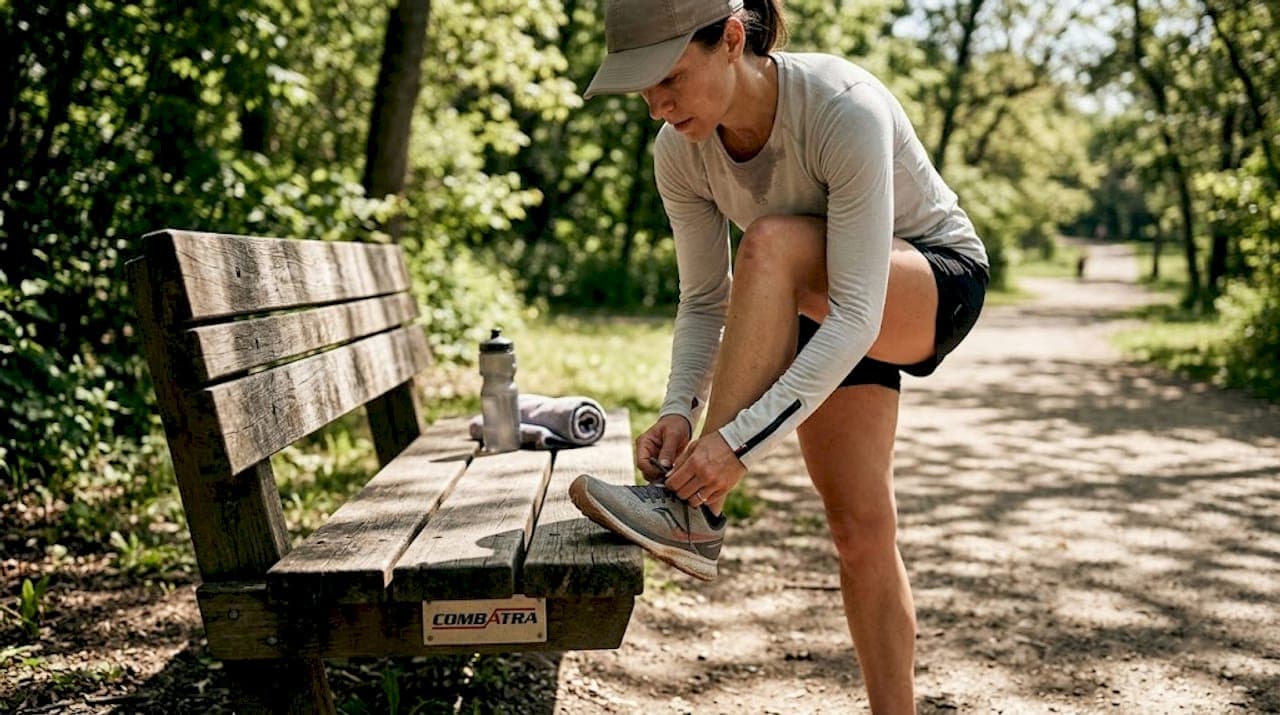
Quick Summary:
Polyester and nylon outperform natural fibers like cotton for UV protection, especially when wet or stretched.
Synthetic fabrics with high UPF ratings, tight weaves, and darker colors provide better sun safety during outdoor activity.
Lightweight synthetics in the 90-150 GSM range offer optimal breathability, quick drying, and effective UV protection.
Many athletes reach for a cotton tee or merino top when training in the sun, assuming natural fibres are the safest and most comfortable choice. That assumption is understandable, but the science tells a different story. Polyester and nylon consistently outperform natural fabrics for UV protection, especially once you factor in sweat, movement, and prolonged outdoor exposure. If you train hard in hot conditions, whether you’re a martial artist, hiker, or outdoor worker, the fabric you choose can directly affect your skin safety and your performance. This guide breaks down the evidence so you can make a smarter, more informed choice.
Table of Contents
Key Takeaways
| Point | Details |
|---|---|
| Polyester leads for UV | Polyester fabrics provide the highest UV protection and retain performance when wet or stretched. |
| Lightweight synthetics excel in heat | Fabrics in the 90–150 GSM range are best for both breathability and high UPF during hot training. |
| Fabric density and colour matter | Denser weaves and darker colours enhance UV blocking but may slightly reduce airflow. |
| Naturals lose UV when wet | Merino and cotton lose much of their UV protection once moist, while synthetics hold strong. |
What makes a fabric truly UV-protective?
Not all sun-protective clothing is created equal. Understanding what drives UV protection in a fabric helps you move past marketing claims and focus on what actually matters.
UPF explained
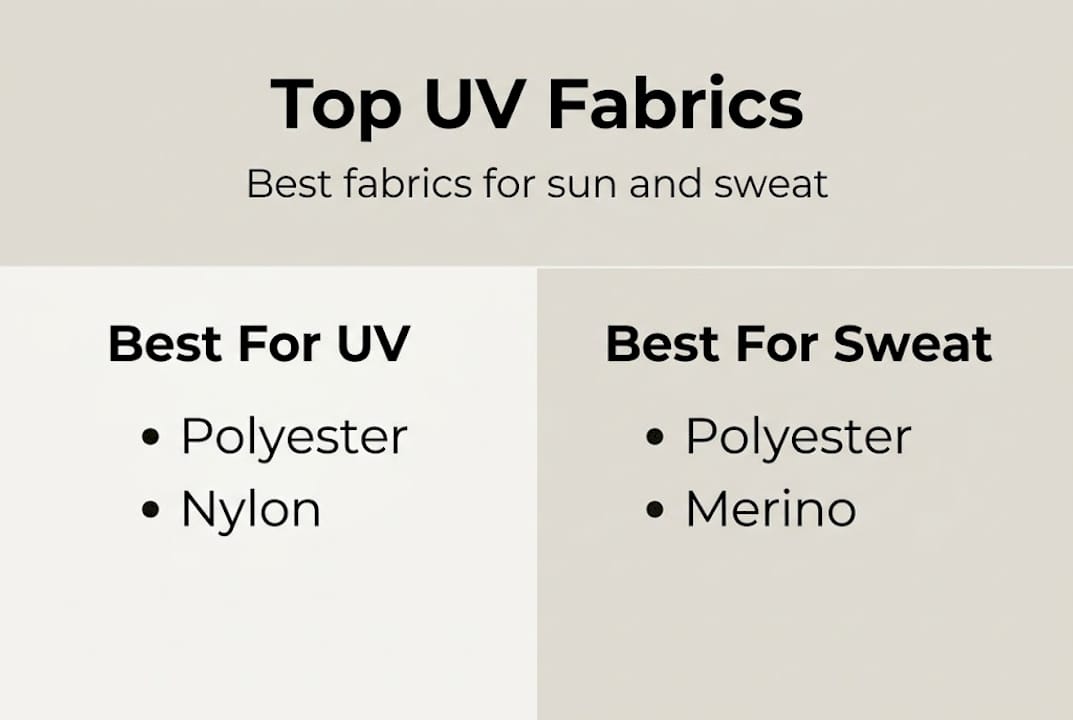
UPF stands for Ultraviolet Protection Factor. It measures how much UV radiation a fabric blocks before it reaches your skin. A garment rated UPF 50+ blocks at least 98% of UV rays. This is different from SPF, which applies to sunscreen and only measures protection against UVB rays. UPF accounts for both UVA and UVB, making it a more complete measure for clothing. You can read more about this in our guide to UPF 50 clothing explained.https://blog.combatra.com.au/blog/upf-50-clothing-explained-protects-athletes-outdoors
What drives UPF in a fabric?
Several factors combine to determine how well a fabric blocks UV radiation:
-
Fibre type: Synthetic fibres like polyester and nylon naturally absorb and reflect UV rays more effectively than cotton or lyocell.
-
Weave density: Tighter, denser weaves leave fewer gaps for UV to pass through. Higher GSM (grams per square metre) generally means higher UPF.
-
Colour: Darker and more saturated colours absorb more UV radiation. A dark navy polyester top will outperform a pale grey one of the same construction.
-
Finish and treatment: Some fabrics receive UV-absorbing chemical treatments to boost their rating.
-
Fit and stretch: A garment that is pulled tight or stretched across the body can open up the weave and reduce UPF.
As UPF clothing science confirms, UPF correlates with density, colour, and fibre type, with polyester and nylon outperforming wool, silk, and cotton across most conditions.
Fabric UPF comparison
| Fabric | UPF (dry) | UPF (wet) | Durability |
|---|---|---|---|
| Polyester | 50+ | 40-50+ | High |
| Nylon | 50+ | 40-50+ | High |
| Merino wool | 20-50 | 15-30 | Medium |
| Cotton | 5-15 | 3-8 | Medium |
| Lyocell | 15-50+ | 10-30 | Low-Medium |
Research into dynamic UPF testing shows that denser synthetics retain UPF far better when stretched or wet, while natural fibres degrade more significantly under the same conditions.
“The best UV protection comes from understanding how your fabric behaves under real conditions, not just how it performs fresh out of the packet.”
For a deeper look at the science behind protective clothing, our article on how UV clothing works is worth your time.
How heat and sweat change fabric performance
Now you know what boosts UV defence, but how does it hold up once you’re moving and sweating?
Heat and moisture management are just as important as UV ratings when you’re training outdoors. A fabric that blocks UV but traps heat and sweat will compromise your performance and comfort quickly.
How sweat is managed differently across fabrics
-
Polyester pulls moisture away from the skin through capillary action (wicking), spreading it across the outer surface where it evaporates quickly. This keeps you drier and cooler.
-
Merino wool absorbs moisture into the fibre itself. It can hold up to 30% of its weight in water before feeling wet, which slows evaporation and reduces cooling efficiency in hot conditions.
-
Cotton absorbs moisture rapidly but dries very slowly. In hot, humid conditions, a soaked cotton shirt clings to the skin, adds weight, and provides almost no cooling benefit.
-
Nylon behaves similarly to polyester, with fast wicking and quick drying, though it tends to be slightly heavier.
-
Lyocell is more breathable than cotton and wicks reasonably well, but it lacks the durability and UV retention of synthetics.
Polyester excels at moisture-wicking, drying faster than merino, which holds more water and cools less efficiently during sustained heat and exercise.
What happens to UPF when fabric gets wet?
This is where natural fibres fall short in a big way. UPF drops 20 to 50% for many fabrics when wet, but synthetics like polyester degrade far less than merino or cotton. A cotton shirt that starts at UPF 10 when dry could drop to UPF 3 or 4 when soaked with sweat. That offers almost no real protection.
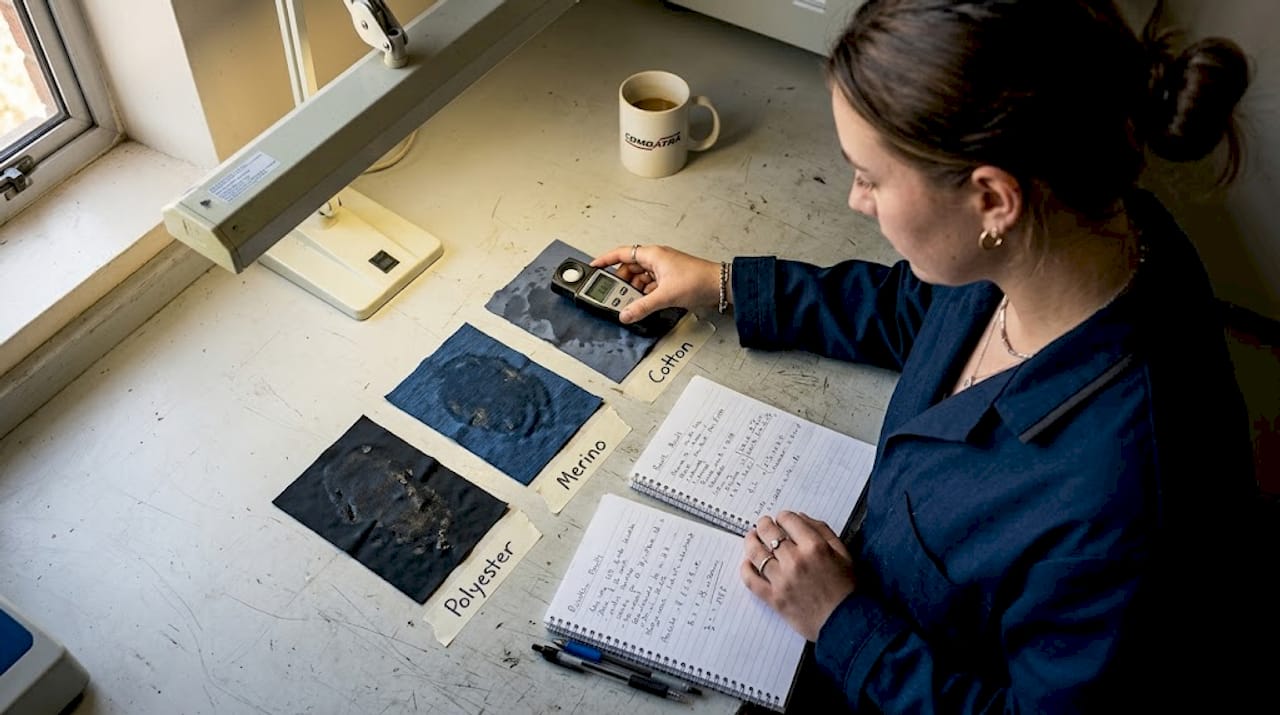
Pro Tip: For hot-weather training, look for lightweight synthetics in the 90 to 150 GSM range. This weight class gives you enough density for solid UPF while keeping airflow high enough to stay comfortable during intense effort.
For more on how clothing fit affects protection, see our comparison of compression vs loose clothing for sun safety. You can also explore our guide on UV protection clothing for outdoor workouts for practical recommendations.
Comparing top fabrics: Which is best for sun safety and sweat?
So which fabrics actually balance sun safety and sweat best when it counts?
Full fabric comparison for athletes
| Fabric | UPF dry | UPF wet | Weight range | Drying time | Odour control | Cost | Best for |
|---|---|---|---|---|---|---|---|
| Polyester | 50+ | 40-50+ | 90-200 GSM | Fast | Moderate | Low-Mid | All sports, outdoor work |
| Nylon | 50+ | 40-50+ | 100-180 GSM | Fast | Moderate | Mid | Hiking, water sports |
| Merino wool | 20-50 | 15-30 | 150-250 GSM | Slow | Excellent | High | Cool-weather, travel |
| Cotton | 5-15 | 3-8 | 150-300 GSM | Very slow | Poor | Low | Casual, low UV exposure |
| Lyocell | 15-50+ | 10-30 | 120-200 GSM | Moderate | Good | Mid | Light activity |
Key advantages and drawbacks
-
Polyester: Consistently reaches UPF 50+ with high durability, fast drying, and minimal UV loss when wet. The go-to choice for most athletes. Lower cost makes it accessible.
-
Nylon: Matches polyester for UV performance and is slightly more abrasion-resistant, making it well-suited to hiking and water-based activities.
-
Merino wool: Outstanding odour control and temperature regulation in cool to mild conditions, but UPF drops significantly when wet and it dries slowly. Not the best pick for hard summer training.
-
Cotton: Affordable and comfortable in casual settings, but it performs poorly for UV protection and hot-weather sports. Avoid it for serious outdoor training.
-
Lyocell: Can reach UPF 50+ with chemical treatment, but it lacks the long-term durability of synthetics and loses more protection when wet.
Polyester and nylon routinely reach UPF 50+ with high durability and minimal drop when wet, outperforming merino, cotton, and lyocell across most athletic conditions.
For those working in extreme UV environments, the stakes are higher. Research shows that outdoor workers with high UV exposure need garments rated UPF 80 or above, a level only certain synthetics or specially treated fabrics can reliably achieve.
For more detail on what UPF 50+ means in practice, see our article on UPF 50+ rashguards. Cyclists can also find tailored advice in our guide on UV clothing for cyclists.
Choosing the right fabric for your sport and exposure
Now let’s connect this science and data to your real training and outdoor life.
Knowing which fabric is technically superior is only part of the equation. The best choice also depends on your specific activity, UV intensity, and personal priorities.
Fabric picks by athlete type
-
Runners (moderate UV exposure): Choose a lightweight polyester top in the 100 to 130 GSM range with a UPF 50+ rating. Prioritise a looser fit to allow airflow, and opt for darker colours for added UV blocking.
-
Hikers (prolonged sun exposure): Go for UPF 50+ polyester or nylon long-sleeve tops. Layering a loose synthetic shirt over a compression base layer adds extra protection without overheating.
-
Martial artists (BJJ, MMA, Karate): A fitted polyester rashguard rated UPF 50+ is ideal for both indoor and outdoor training. It moves with you, wicks sweat efficiently, and maintains its UV rating through repeated washing.
-
Outdoor workers (extreme UV exposure): Workers facing 22 to 44 SED per day need garments with UPF 80 or above. Only high-density synthetics or specialised treated fabrics meet this standard reliably.
Pro Tip: In severe UV conditions, wearing a looser, darker synthetic layer over your compression gear boosts your total UPF significantly. The air gap between layers also improves ventilation.
Odour control is a real consideration for athletes who train frequently. If this is a priority, merino blends or synthetics with antimicrobial treatments are worth the extra cost. Budget-conscious athletes will find that plain polyester delivers excellent protection at a lower price point.
Accessories matter too. UV arm sleeves, caps, and neck gaiters all add meaningful protection for exposed areas. Our guide on choosing UV arm sleeves covers what to look for. For runners specifically, our article on running in the sun clothes offers practical outfit guidance.
Why most athletes get UV protection wrong: Our expert take
With all this information, it’s time for a frank view on why so many athletes get UV and hot-weather wear wrong.
The most common mistake is choosing fabric based on feel or brand reputation rather than technical evidence. Merino wool, in particular, is heavily marketed as a premium performance fibre, and it genuinely excels in cool conditions and odour control. But for hot Australian summers and high-UV training, it simply cannot match lightweight polyester on the metrics that matter most: UPF retention when wet, drying speed, and durability over time.
Many athletes also underestimate how dramatically UV protection drops when fabric is wet or stretched. A shirt that feels protective when dry may offer little defence after 20 minutes of hard training. This is not a minor detail. It is the difference between real protection and a false sense of security.
Our honest recommendation is to look past the fibre and focus on three things: a certified UPF rating (not just a marketing claim), the GSM weight relative to your activity, and how the garment fits under movement. These factors, backed by lab and field data, consistently predict real-world performance. For a clear comparison of clothing versus sunscreen, our article on UPF vs sunscreen is a useful next read.
Upgrade your UV gear for ultimate summer performance
You now know exactly what to look for in high-performance UV protective clothing. Putting that knowledge into practice starts with choosing gear that is built to the right technical standard.
At Combatra, our rashguards for sun protection are constructed from UPF 50+ polyester, designed for the demands of martial arts, outdoor training, and long-duration sun exposure. Whether you need BJJ Gi pants built for movement and durability, or sports bras for athletes that combine support with UV protection, our range covers the full spectrum of active training needs. Every piece is designed to perform under real conditions, not just in a lab. Browse the range and find the gear that matches your training environment.
Frequently asked questions
Which fabric gives the highest UV protection for athletes?
Polyester and nylon offer the highest UV protection, especially when tightly woven and rated UPF 50+, consistently outperforming merino wool, cotton, and lyocell across both dry and wet conditions.
Does UPF protection drop when fabric gets wet?
Yes, most fabrics lose 20 to 50% UV protection when wet, but synthetics like polyester retain far more of their UPF rating compared to natural fibres like cotton or merino.
What GSM fabric is best for hot and sunny conditions?
Lightweight synthetics in the 90 to 150 GSM range offer the best balance of breathability and high UPF for hot-weather training, keeping you cool without sacrificing sun protection.
How important is colour for UV protection?
Darker colours boost UPF by absorbing more UV radiation, while lighter shades often have a lower UPF rating even when made from the same fabric and construction.