
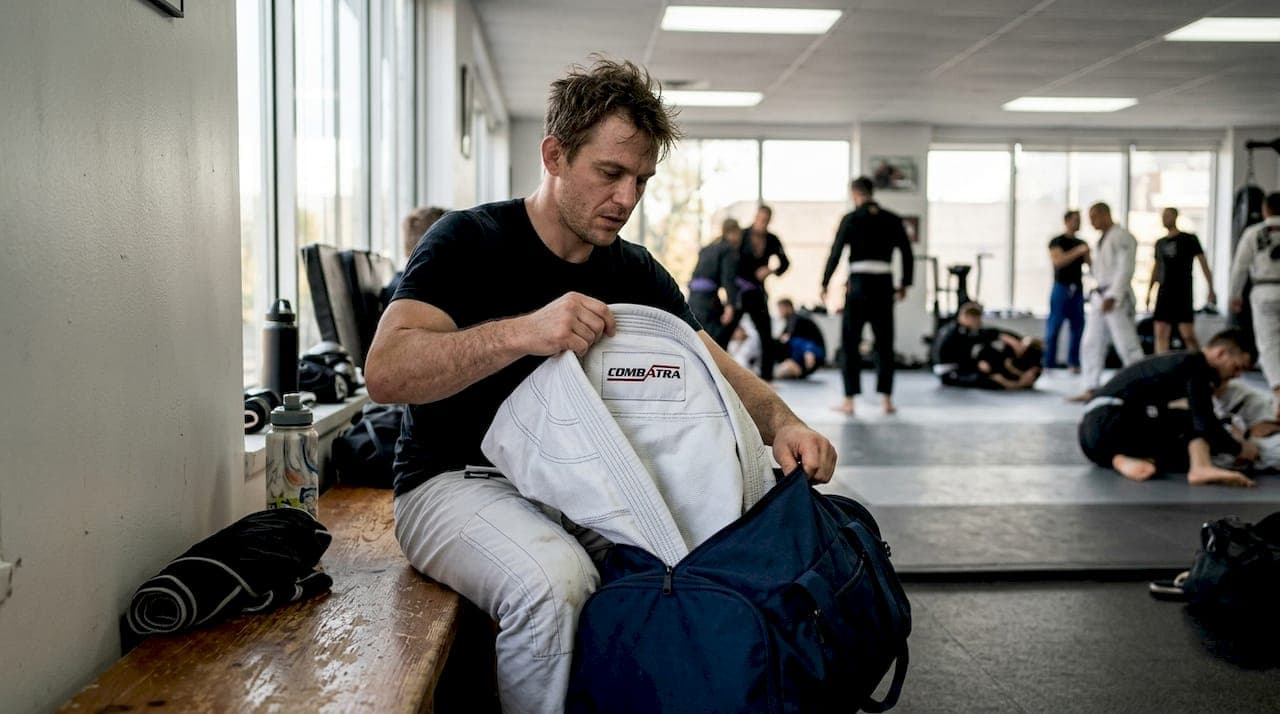
Choosing the right BJJ training equipment feels overwhelming when you're staring at hundreds of gis, rashguards, and accessories online. You want gear that lasts, fits perfectly, and actually improves your performance, but how do you know which products deliver? This article cuts through the noise with a practical, expert-backed framework and specific product picks tailored to your skill level and training goals. Whether you're a fresh white belt or a seasoned competitor, you'll walk away knowing exactly what equipment belongs in your gym bag and why it matters for your journey on the mats.
Table of Contents
- What makes BJJ training equipment 'the best'?
- Best Brazilian Jiu-Jitsu gi: Top picks for all levels
- Must-have no-gi and accessory gear
- Comparison table: Gis, rashguards, and more at a glance
- Situational recommendations: What's best for YOU?
- Level up with personalized BJJ gear
- Frequently asked questions
Key Takeaways
| Point | Details |
|---|---|
| Start with essentials | A quality gi and basic accessories are the foundation for every BJJ class. |
| Upgrade for performance | Lightweight and personalized gear can make a real difference for serious athletes. |
| Choose for your journey | Pick equipment based on your skill level, goals, and training style—not just brand or price. |
| Maintain and replace | Replace gear regularly to stay safe, comfortable, and competition-ready. |
What makes BJJ training equipment 'the best'?
Not all BJJ gear is created equal. The best equipment combines comfort, durability, fit, breathability, and fair pricing into one package that supports your training without breaking down after a few months.
Here's what separates top-tier gear from the rest:
- Comfort: Your gi or rashguard should feel like a second skin, not a straightjacket. Uncomfortable gear distracts you during rolls and limits your movement.
- Durability: Quality stitching and reinforced stress points mean your equipment survives hundreds of training sessions and countless washes.
- Fit: Proper sizing prevents wardrobe malfunctions and gives you the mobility to execute techniques without restriction.
- Breathability: Lightweight, moisture-wicking fabrics keep you cool and reduce the sweat-soaked misery of intense training.
- Price: The best gear offers genuine value, whether that's a budget-friendly starter gi or a premium competition uniform that justifies the investment.
Your training frequency and goals matter too. A hobbyist rolling twice a week has different needs than a competitor training daily and cutting weight for tournaments. The home BJJ equipment basics you choose should match your commitment level and aspirations.
Understanding the difference between gi and no-gi equipment is crucial. Gi training requires a kimono and belt, while no-gi relies on rashguards, shorts, and spats. Each style demands specialized apparel designed for safe, effective practice. Check out the types of BJJ gear to see how these categories break down.
Pro Tip: Lighter-weight gis help advanced athletes cut weight more easily and enhance mobility during competition. The Gold BJJ Aeroweave is 22% lighter than competing gis at just 270 GSM, giving you a real edge when every ounce counts.
Best Brazilian Jiu-Jitsu gi: Top picks for all levels
With a clear evaluation framework, let's look at which gis actually deserve a spot in your gym bag. These recommendations cover beginners hunting for value and advanced practitioners seeking competition-ready performance.
Gold BJJ Aeroweave: The lightweight champion
The Gold BJJ Aeroweave weighs just 270 GSM, making it the best overall lightweight gi on the market. This gi is 22% lighter than competitors while maintaining exceptional strength and durability. Advanced practitioners love it for competition because it helps with weigh-ins and provides unrestricted movement during matches.
The Aeroweave's standout features include:
- Pearl weave jacket that's incredibly strong yet breathable
- Reinforced stress points at knees, lapels, and armpits
- IBJJF approved for all belt levels
- Quick-drying fabric that's ready for back-to-back training sessions
- Tailored fit that looks sharp and performs flawlessly
"The Gold BJJ Aeroweave delivers competition-level performance with a weight advantage that matters when you're cutting pounds and need every edge. Its breathability keeps you cooler during intense rolls, and the reinforced construction means it survives the toughest training camps without falling apart."
Sanabul Essentials: Best value for beginners
If you're just starting your BJJ journey, the Sanabul Essentials offers quality under $100, making it the best budget gi for beginners. This gi proves you don't need to spend a fortune to get durable, functional training gear.
New white belts appreciate the Sanabul because it:
- Provides solid construction that withstands beginner mistakes and rough treatment
- Fits true to size with a comfortable, forgiving cut
- Comes pre-shrunk to minimize sizing surprises after washing
- Offers excellent value that lets you invest in other essential gear
Choosing the right gi: Three main types
When shopping for a gi, you'll encounter three main categories that serve different purposes:
- Starter gis: Affordable, durable options like the Sanabul Essentials that help beginners learn without a huge financial commitment. Perfect for your first 6-12 months on the mats.
- Competition gis: Lightweight, IBJJF-approved uniforms like the Gold BJJ Aeroweave designed for tournament performance. These gis prioritize weight, fit, and breathability.
- Premium custom gis: Personalized uniforms with custom embroidery, patches, and colors that reflect your personality and team affiliation. Check out our customized BJJ gi options for a truly unique look.
Your choice depends on your experience level, budget, and training goals. Use the BJJ gear checklist to ensure you're covering all the essentials as you build your collection.
Must-have no-gi and accessory gear
Of course, there's more to your kit than just the gi. No-gi and accessory gear are just as crucial for a complete training loadout that keeps you safe, comfortable, and ready for any rolling session.
No-gi essentials every BJJ athlete needs
No-gi training demands specialized equipment designed for grappling without the traditional kimono. Here's what belongs in your bag:
- Rashguards: Compression tops that prevent mat burn, wick moisture, and provide a layer of hygiene protection. Our custom rashguard options let you design gear that fits your style.
- Grappling shorts: Durable, flexible shorts with reinforced stitching and no pockets or zippers that could catch fingers or toes.
- Spats: Compression pants that protect your legs from mat burn and provide muscle support during intense training.
- Mouthguard: Essential protection for your teeth during live rolling and sparring.
- Groin protection: A cup or compression shorts with built-in protection to prevent painful accidents.
The essential BJJ gear guide breaks down exactly what you need for both gi and no-gi training, so you're never caught unprepared.
Accessories that complete your training kit
Beyond the main apparel, these accessories make training more comfortable and organized:
- BJJ belts: Your rank belt is required for gi training and represents your progress on the mats.
- Finger tape: Protects your fingers and joints from hyperextension and provides support for injured digits.
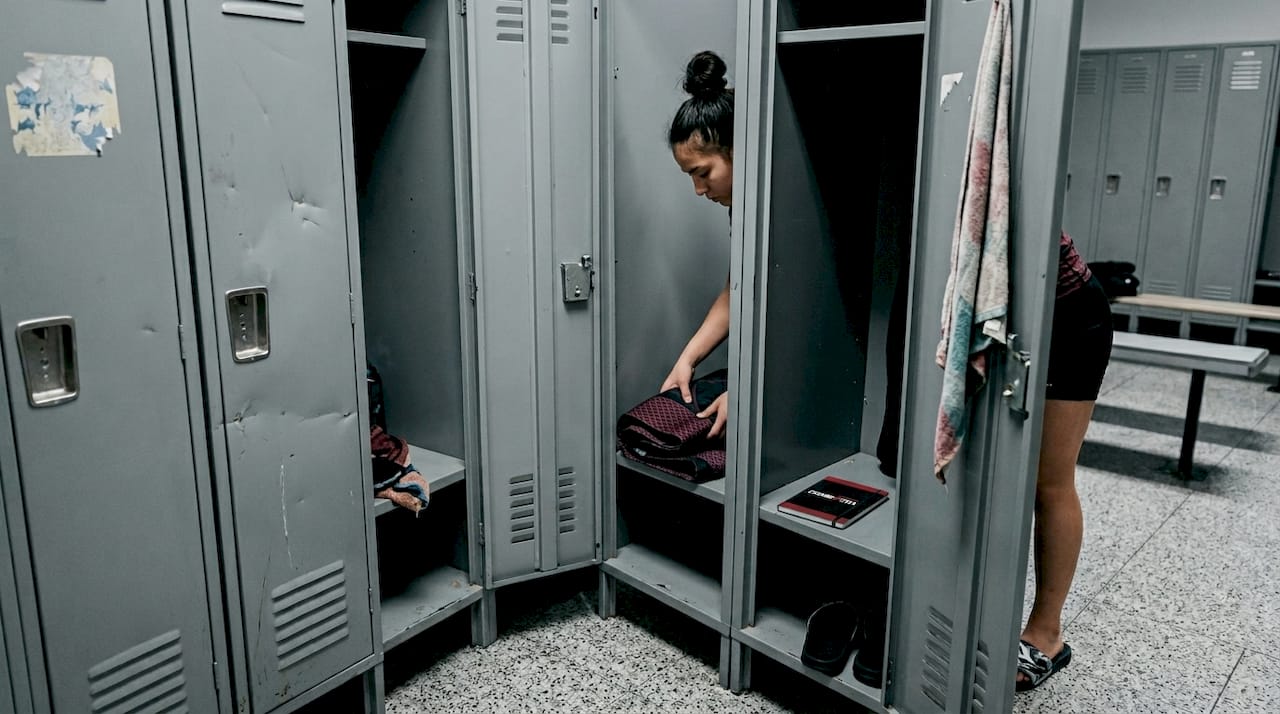
- Gym bag: A dedicated bag with ventilation keeps your gear organized and prevents your car from smelling like a locker room.
- Water bottle: Hydration is non-negotiable during intense training sessions.
Pro Tip: Custom-fitted rashguards reduce mat burns significantly and improve hygiene by creating a barrier between your skin and the training surface. Beginners prioritize affordable, durable gis like Fuji or Sanabul, while advanced practitioners seek lightweight competition gis for breathability and speed advantages.
Comparison table: Gis, rashguards, and more at a glance
Having reviewed the highlights, here's an at-a-glance comparison so you can match features to your training goals. This table breaks down the top recommended items across key factors that matter most to BJJ practitioners.
| Product | Weight/Type | Price Range | Durability | Target User | Standout Feature |
|---|---|---|---|---|---|
| Gold BJJ Aeroweave | 270 GSM | $150-180 | Excellent | Advanced/Competition | 22% lighter than competitors, superior breathability |
| Sanabul Essentials | 450 GSM | Under $100 | Very Good | Beginners | Best value, pre-shrunk, durable construction |
| Custom Rashguard | Compression | $60-90 | Excellent | All levels | Personalized design, perfect fit, moisture-wicking |
| Grappling Shorts | Flexible fabric | $40-70 | Very Good | No-gi practitioners | Reinforced stitching, no hardware, full mobility |
This comparison shows who each product serves best and what makes it worth your investment. The gi fabric guide dives deeper into weight categories and how they affect performance in different climates.
For no-gi training, our personalized compression shorts offer the same custom fit and quality construction as our rashguards, giving you a complete no-gi kit that performs as good as it looks.
Situational recommendations: What's best for YOU?
The comparison table helps, but gear is deeply personal. Here's how to fine-tune your choices for your journey and situation, because what works for a 200-pound competitor in Florida won't necessarily suit a 150-pound hobbyist training in Alaska.
Your gear roadmap by experience and goals
-
First purchase as a beginner: Start with one quality gi like the Sanabul Essentials, a white belt, and a mouthguard. Add a basic rashguard if your gym offers no-gi classes. This covers your essentials without overwhelming your budget.
-
After your first year: Invest in a second gi so you always have a clean uniform ready. Add grappling shorts, spats, and finger tape as you increase training frequency. Consider upgrading one gi to a lighter competition model if tournaments interest you.
-
For competition: Get an IBJJF-approved lightweight gi like the Gold BJJ Aeroweave that helps with weight cuts and provides maximum mobility. Add a backup competition gi in case of damage or sizing issues. Stock up on finger tape and ensure all your gear meets tournament regulations.
-
For heavy daily training: Own at least three gis in rotation to prevent wear and ensure you always have clean gear. Invest in premium rashguards and shorts that withstand frequent washing. Replace worn items promptly to maintain hygiene and performance.
Climate and gym policies matter
Hot, humid climates demand lightweight, breathable gis that dry quickly between sessions. The Gold BJJ Aeroweave excels here with its 270 GSM weight and moisture-wicking properties. Cold climates allow heavier gis that provide more warmth during training.
Your gym's policies also influence gear choices. Some academies require specific gi colors or prohibit certain patches and logos. Always check your gym's rules before investing in custom gear.
Pro Tip: Upgrading to lighter or personalized gear is a smart move as you advance in your BJJ journey. Custom gear fits better, lasts longer, and shows your commitment to the art. It's an investment in your comfort and performance that pays dividends over years of training.
When to replace worn-out equipment
Replace your gi when you notice:
- Thinning fabric that tears easily
- Frayed stitching at stress points
- Persistent odors that won't wash out
- Significant shrinkage that affects fit
Rashguards and shorts need replacement when they lose compression, develop holes, or become see-through from wear. Most practitioners replace these items every 12-24 months depending on training frequency.
For guidance on preventing injuries through proper gear selection, check out our article on injury prevention with proper gear that explains how the right equipment protects your body during intense training.
Level up with personalized BJJ gear
You know what gear you need. Now make it truly yours with personalized, pro-quality BJJ apparel that fits your body and reflects your personality on the mats.
Personalized gear gives you a perfect fit and lasting comfort that off-the-rack options can't match. When your gi or rashguard is tailored to your measurements and preferences, you move better, feel more confident, and train harder. It's the difference between wearing someone else's uniform and owning gear designed specifically for you.
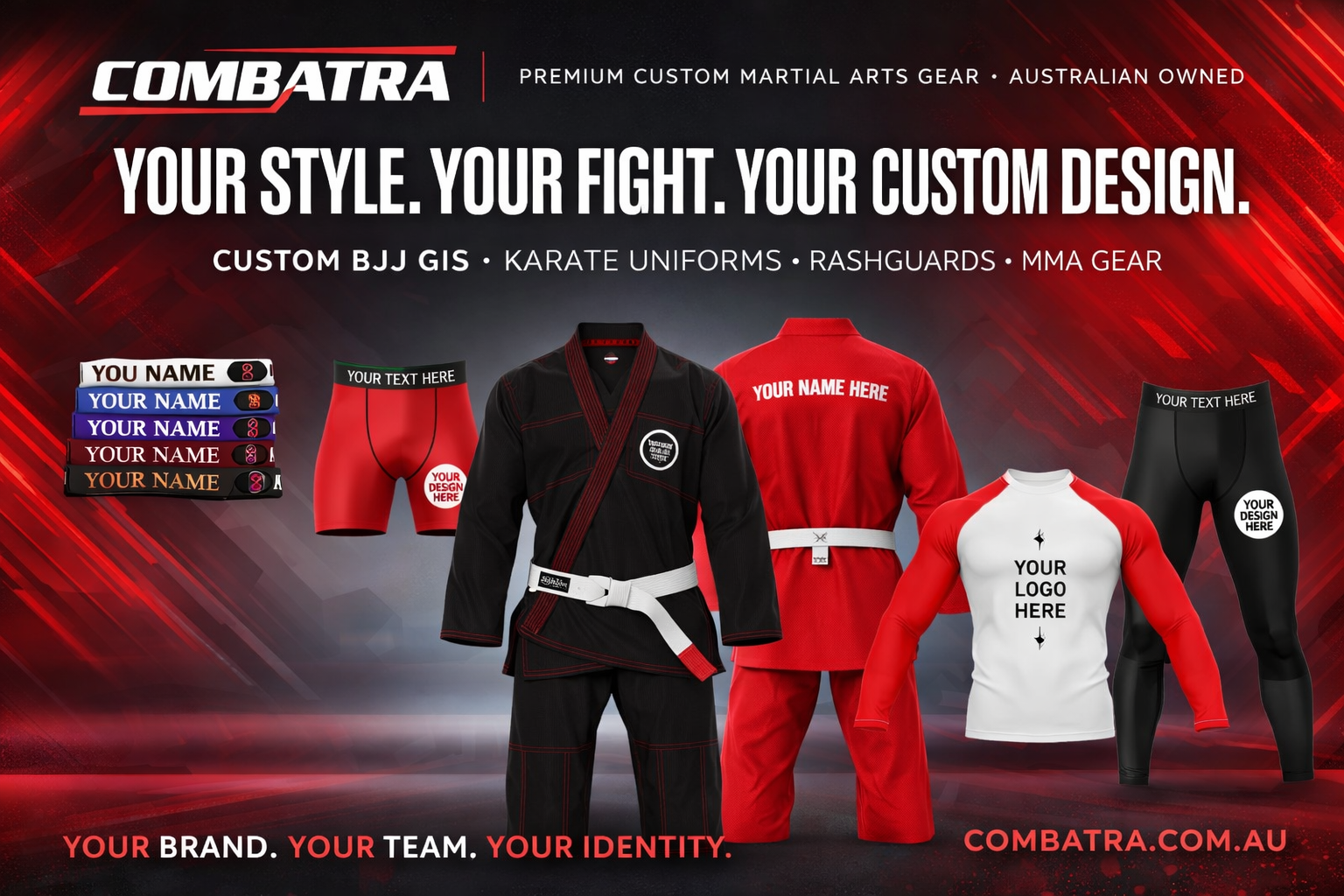
Combatra's custom gis, rashguards, and shorts are available with fast delivery and full personalization. Choose your colors, add your name or team logo, and select the exact fit that works for your body type. We use premium materials that withstand years of hard training while maintaining their shape and performance.
Explore our options to build a training kit as unique as your journey:
- Customize your BJJ gi with personalized embroidery and color combinations
- Design your rashguard with custom graphics and perfect compression
- Premium gi pants that match your custom jacket or serve as durable replacements
Your gear should work as hard as you do. Invest in equipment that supports your goals and makes every training session more effective and enjoyable.
Frequently asked questions
What is the most important BJJ training equipment for beginners?
A durable, affordable gi like the Sanabul Essentials and a basic BJJ belt are the most important items for starting out. These essentials let you train safely and comfortably while you learn the fundamentals.
How often should I replace my BJJ gi or rashguard?
Most practitioners change their gi every 12-24 months, while rashguards need replacement when stretched, torn, or thin, sometimes every year. Training frequency and care habits affect lifespan significantly.
Is a lightweight gi better for hot climates?
Yes, lightweight gis like the Gold BJJ Aeroweave at 270 GSM are more breathable and comfortable in warm weather and help with weigh-ins. They dry faster between sessions and reduce overheating during intense training.
What's the difference between gi and no-gi equipment?
Gi training uses a kimono and belt, while no-gi uses rashguards, shorts, and spats. Each style has its own gear needs, with gi equipment designed for gripping and no-gi gear prioritizing compression and mobility.
How do I pick the right size for BJJ gear?
Always check the brand's sizing chart and consider a snug but unrestricted fit for both gis and rashguards. Most brands provide height and weight ranges, and custom options ensure perfect sizing for your body type.
Recommended
- Discover essential types of BJJ gear for peak training
- Complete BJJ gear checklist: Train smarter & compete confidently
- Essential home BJJ training equipment for beginners
- How to select the perfect BJJ gi for training in 2026
- JB Karate Academy Derby Gym Sack (BLACK EDITION) – The Inner Sanctum Group